$ (USD)
English


There's a rich history in every pixel of Istanbul, along with a distinct, momentary atmosphere… the chirp of seagulls, the smell of fish and roasted chestnuts, and the importance of street cats.
Here are the top thirty spots to make sure you don't miss anything important.
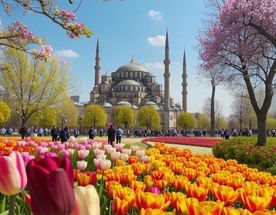
For the mosque, the Hippodrome on Sultanahmet Square was dismantled and the material from the Hippodrome was used. The Hippodrome was built in the early 17th century by Ahmed I. There are as many minarets in the mosque as in the Masjid al-Haram mosque in Mecca, causing a split in the Islamic world. It's closed to non-Muslims during services, but you can come in and admire the decor at other times.

The Bosphorus is the narrowest strait between continents, connecting the Black Sea and the Marmara Sea. See Istanbul from Europe and Asia by taking a ferry or boat on the Bosphorus. There are piers at these locations:
You can still see the old city from the quays, which are full of cafes, restaurants, and the smell of fried fish if you don't like sailing.
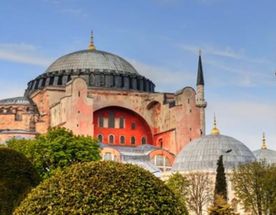
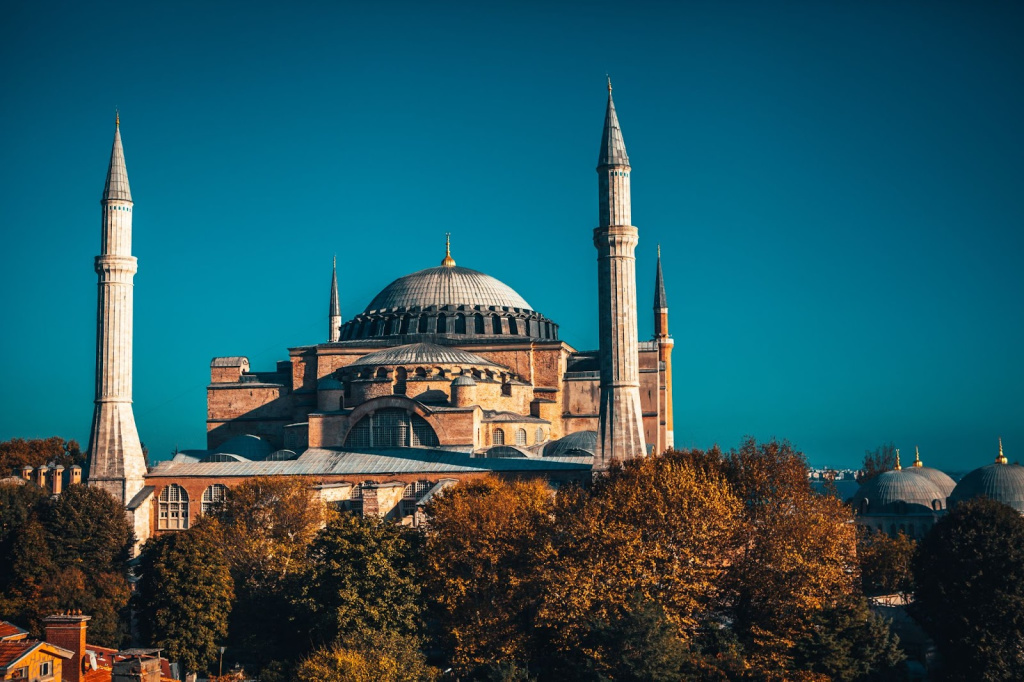
A place's history is complex and long. Originally built as a Christian temple in the sixth century, it became a mosque nine centuries after Constantinople was conquered. Ayia Sophia had become a museum by the turn of the 20th century, where people could see two religions clashing in one space.
Hagia Sophia has recently been granted the status of a mosque by a decree issued by the Turkish government. Although services are held here, the entrance is free and open to the public.
In the European part of Istanbul, Golden Horn Cove is an 8 km long cove. On its banks are old, but ennobled, neighborhoods of Istanbul. In the past, Golden Horn served as a harbor for merchant and military ships, but today it's a popular tourist spot.
Sultanahmet Square is the center of Istanbul, and it's always crowded. Originally a hippodrome, it's now used for cultural events:
Ancient surprises like a column of ancient Greek serpentine design and two obelisks of Byzantine emperors can be found in the modern square.
In the huge park next to the Topkapi Palace, there's an amazing variety of plants. A beautiful canvas of color is created by the flowers, bushes, and fruit trees in late spring. It's worth spending at least two hours in the park to relax, eat local food, see how people live, and even visit the zoo.
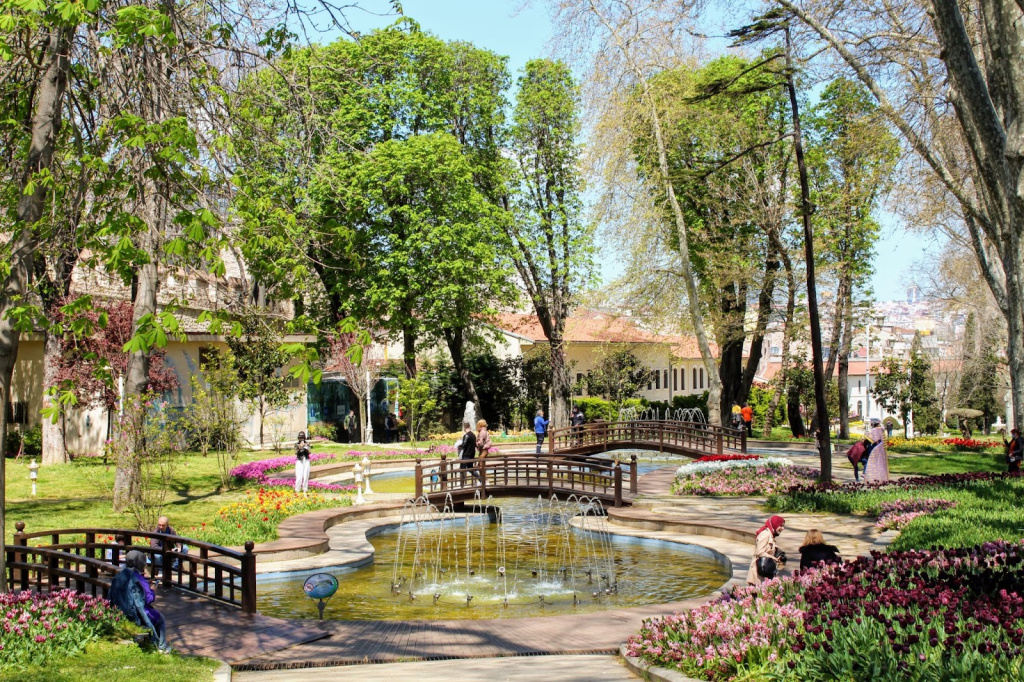
Taksim Square is Istanbul's main square, where all the major tourist routes pass through. Considering it's the city's main transport hub: a subway station, funicular station, and bus stops nearby, it makes sense. Istiklal Street is completely pedestrianized, so the only way to get around is the streetcar.
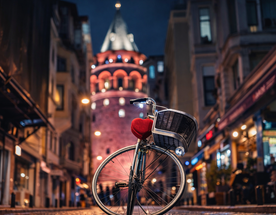
It runs for one and a half kilometers and is Istanbul's most popular tourist destination. Get a feel for the city, go shopping, eat in the best restaurants and cafes, have roasted chestnuts, and buy oriental sweets at a shop that dates back to 1864. Taksim Square marks the start of Istiklal, which leads to Galata Tower.
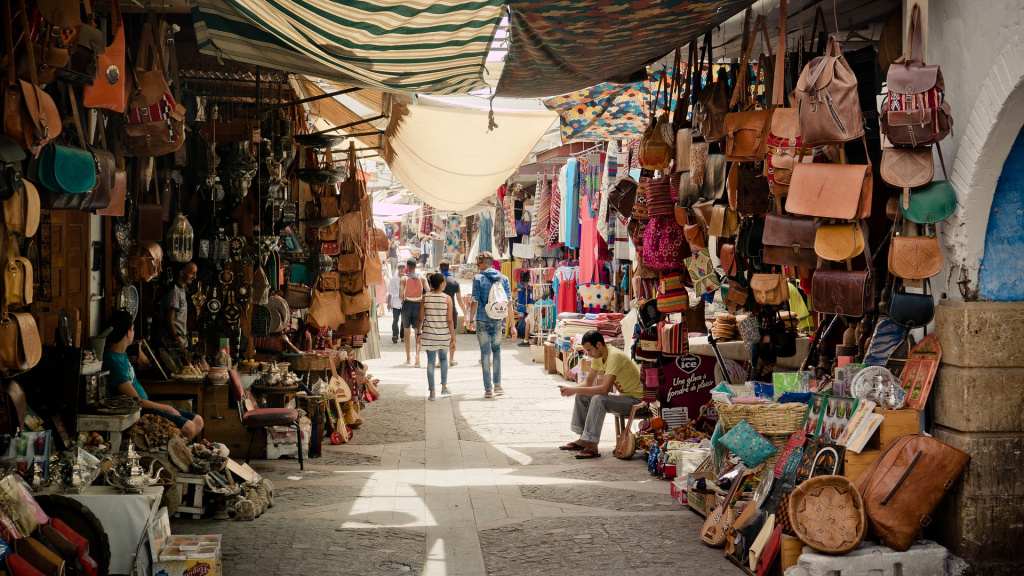
Near the Blue Mosque, the largest covered market in the world, is a large covered market. Apart from the bazaar, there's a whole shopping city where you can get lost. Besides souvenirs, you can eat, admire the fountains, and smoke hookah here.
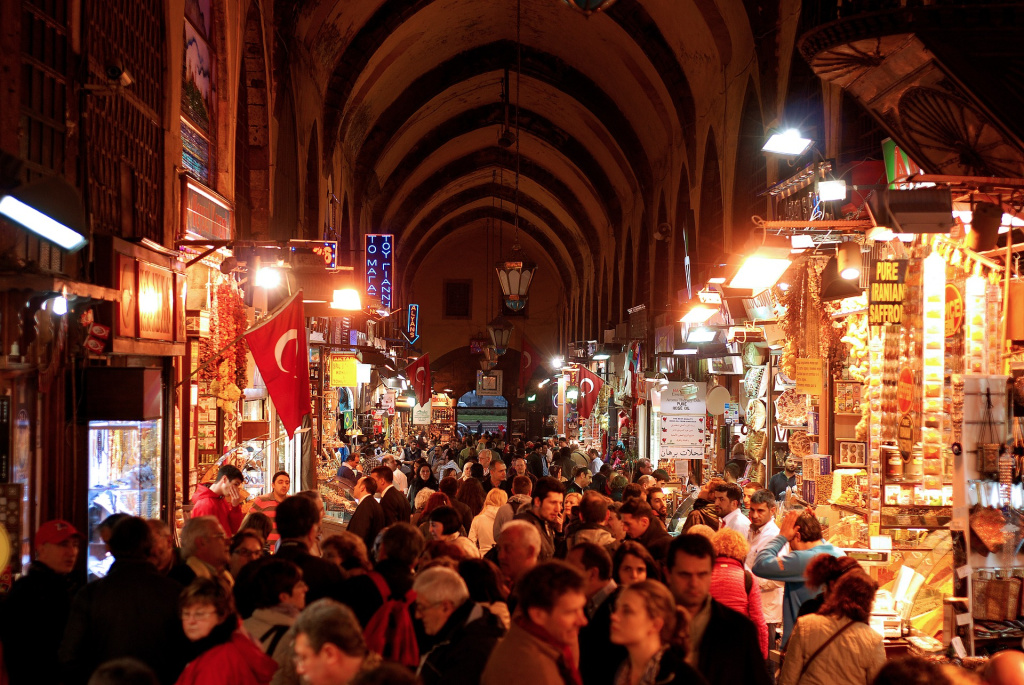
This was the palace of the Turkish sultans in the XX century, and it's now a museum. This huge palace consists of four courtyards, which provide an inside look into the lives of the sultans and their courtiers, as well as the history of the entire Turkish Empire.
This is a Byzantine church that was converted to a mosque, but unlike Ayia-Sofia, it appears almost pristine. In the twentieth century, the walls' frescoes were restored. Today, the church is a museum.
Constantinople's walls were built in the V century, and there are still fragments almost six kilometers long in Istanbul. The walls were also destroyed by Turkish rulers and damaged by earthquakes. Parts of them have been restored, but others are still being restored.
City's tallest and most recognizable tower, visible from anywhere. In the 20th century, the tower was made into a museum, after it served as a fire tower. You can get a great view of Istanbul and its surroundings if you pay 100 lira at the observation deck.
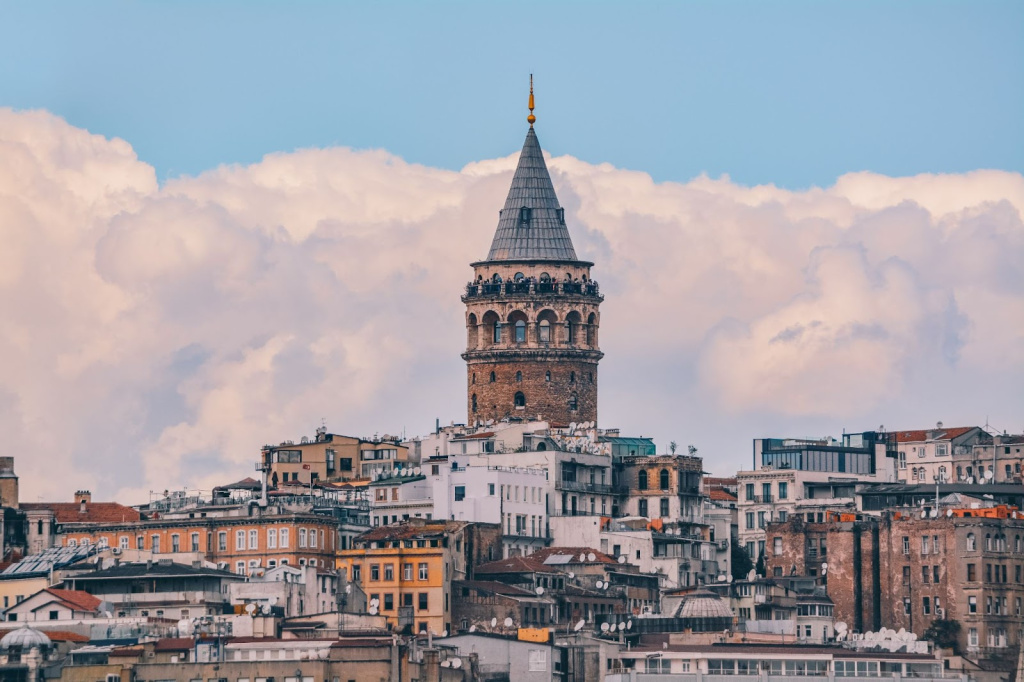
Golden Horn Bay is split in two by the Galata Bridge. The bridge has a fish restaurant at the bottom, and pedestrian and vehicular crossings at the top. There's also a drawbridge on the middle section.
Any given day, you'll see fishermen standing on the bridge with buckets and rods, selling their catch. At night, when the illuminations are on, is the best time to see the Galata Bridge.
For centuries, people have thought about crossing the Bosporus, but the bridge wasn't built until the 20th century. It can only be accessed by car, and you have to pay to get there.
Due to the high suicide rate, the bridge was only open to pedestrians for the first four years after construction was completed. Since then, it's only open to those running the Istanbul Marathon.
It's a group of islands in the Sea of Marmara about 25 kilometers from Istanbul. Four islands have been landscaped, and there's a nice infrastructure. Others are uninhabited. You can get to Büyükada by ferry from Katabas Square.
Eleven temples serve various religions and denominations. Most of the inhabited islands have donkeys and horses.
Almyca Mosque was considered the largest mosque in Turkey until a new one was built in 2018. In addition to its size, Süleymaniye is stunning, it has a lot of precious stones, and it has stunning acoustics from the resonating jugs.
This underground reservoir isn't far from the Ayia Sofia Mosque. Ancient Roman columns were used in its construction, and you can see them up close. During the summer, this place not only immerses you in the ancient world of Constantinople, but also keeps you cool.

Legend has it one of the Turkish sultans imprisoned his daughter in the tower so she wouldn't die on her birthday. As a result of the prophecy, she was bitten by a snake and she died. Currently, the tower, located on a small island in the Bosphorus, has:
There aren't many mosques named after women, like Mihrimah Sultan, the daughter of Padishah Suleiman. You can see the refraction of sunlight through the mosque's only minaret and lots of windows. It's said that the mosque is filled with iridescent light when the sun is at a certain angle.
In Istanbul's largest miniature park-museum, you can see the scale and geography of all its attractions in a short time. There's a miniature train, a maze, restaurants where you can eat and relax, and parking.
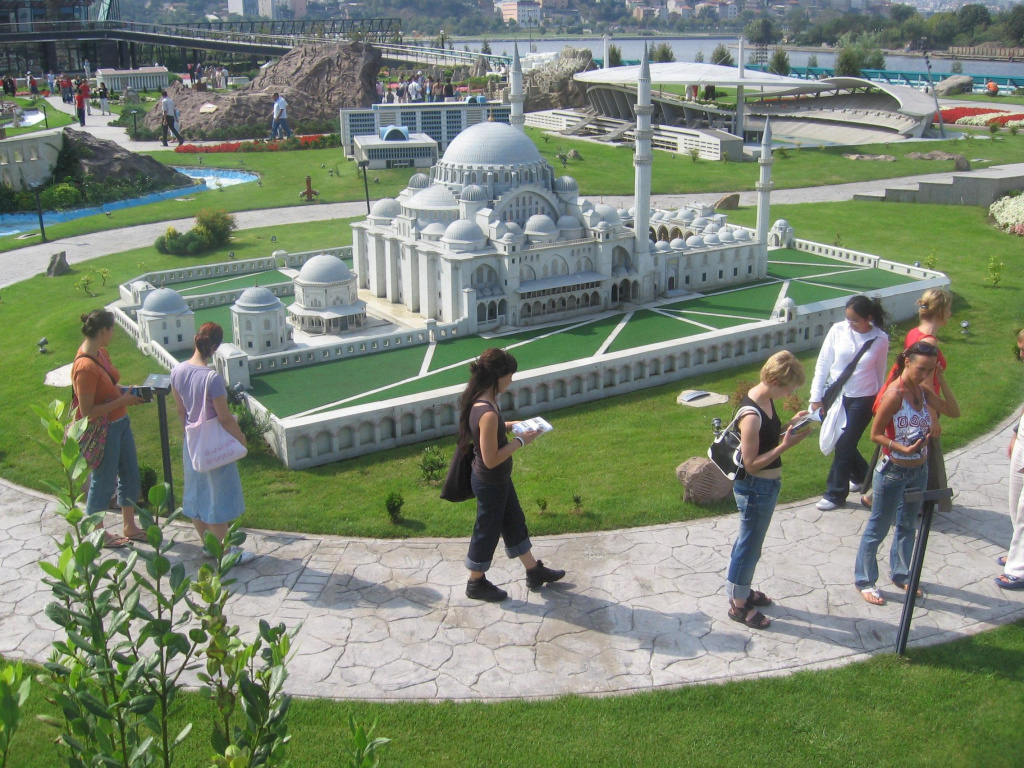
In the 19th century, a typical Turkish baroque palace was built to compete with European palaces for luxury. Most of the grounds are open to the public, but the palace is now the residence of the Prime Minister of Turkey.
Istanbul's only Christian church that isn't a mosque. In Constantinople, this was the first Christian basilica, though it's appearance now is different from the original; it was destroyed and rebuilt in the 6th century.
Most famous for its decoration, the mosque dates back to the 16th century. The walls are covered with Iznik mosaic tiles, so you can enjoy the patterns forever. You can go inside the mosque in between prayers.
The construction of the fortress in the narrowest part of the Bosphorus took 139 days, so that the Turks could leave ancient Constantinople without grain supplies and merchant ships couldn't pass. The fortress has a museum and a mosque now.

After Constantinople was conquered by the Turks, they built the main mosque. Mehmed II Fatih's tomb is here, so it's named after him.
Fortresses were once the treasuries of Turkish sultans. Today it's a prison and a school. As a museum now, visitors can see the view of Istanbul from the fortress wall, see the Golden Gate through which the emperors entered Constantinople, and the seven towers built by Sultan Mehmet decades later.
In the 18th century, they started selling goods from Egypt, so the name changed on its own. Here you can buy everything from spices and souvenirs to furnishings and clothes. In front of the covered market, there are two more markets - the flower market and bird market. There's a great restaurant inside the building called Pandeli, which has been around since 1901.
Despite its size and ingenuity, even modern man is amazed at the two-tiered aqueduct of Constantinople. Until recently, this kilometer-long structure provided water to the city. Now you can walk around it and take pretty pictures.
Whether you are interested in archaeology or not, the Istanbul Museum's collection will impress you. The museum has ancient artifacts from ancient cultures, including sculpture fragments from Pergamum's Temple of Zeus, the Sidonian sarcophagus, and graves from the 4th to 5th centuries.