$ (USD)
English


A unique and versatile city, Amsterdam offers the spirit of freedom, the fragrance of flowers at the floating market, and the bustling atmosphere that inspired Rembrandt and Van Gogh. The Dutch capital's unique architecture is created by its water channels, which have divided the city into 90 sections.
Amsterdam has more unique sites than the biggest cities in Europe, despite its small size. The beauty of the architecture, the canals, and the spirit of the city have transformed it into a special place full of unexpected sights.
Travelers wondering what to do in Amsterdam are sure to find entertainment to their liking. There are people who like to go to museums and see great paintings, while others like to go to nightclubs and loud parties. No matter what their passion is, visitors find something to do in the unique and welcoming capital.
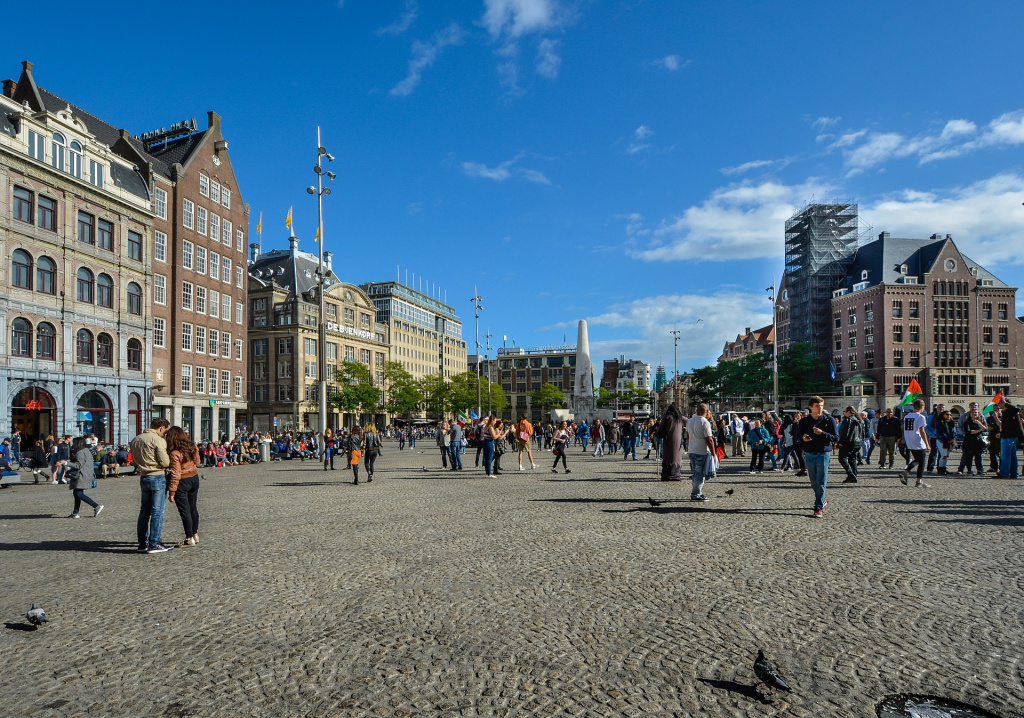
It's hard to argue that a visit to Dam Square in Amsterdam is a must for every traveler. 20,000 square meters of space are used for important city events like ceremonies, festivals, concerts, demonstrations, and protests.
The Nieuwe Kerk, a 20th-century temple that no longer serves its original purpose, is a good example of contemporary art or you can view the works of contemporary artists. A central part of the square is dedicated to soldiers who died in WWII.
Royal Palace of Amsterdam is the official place for the ascension to the throne, weddings, and receptions for foreign guests. The palace was built in the 17th century. Court hearings were held there, as well as the city hall.
It passed to the monarchs over time. The foundation is reinforced with 13,660 piles. Even today, the royal family uses the historic site. Tourists can visit the palace, though.
Thanks to its unique Gothic façade and 109-meter spire, the Nieuwe Kerk or New Church is a real treasure of Amsterdam. It was struck twice by lightning because of its height, which caused a huge fire.
The church is filled with white marble and noble colors of expensive woods, intricate carvings, and stained-glass windows. In the center of the composition is an organ from the XVII century. It was the place where the royal dynasty was crowned. Here are the graves of famous poets, politicians, and war veterans.
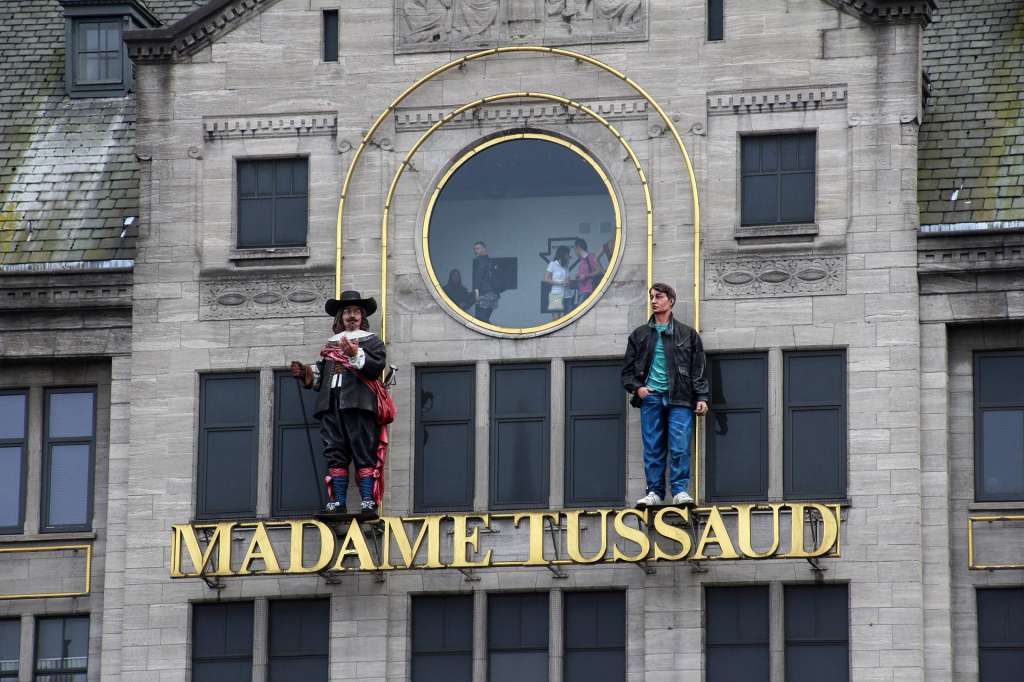
Madame Tussauds is Amsterdam's most famous and popular attraction. It exhibits wax figures from the famous London exhibition. Once inside the building, the traveler plunges into the fascinating world of famous people from that era.
Celebrities like movie stars, musicians, politicians and others are on display. The special atmosphere is created by the original design elements of the halls, as well as interactive and musical accompaniment.
The authorities of the Dutch capital commemorated World War II victims with a monument in the center of the city. Every year, on the 4th of May, there's a memorial service here. There's a conical concrete column that's 22 meters high in the middle of the monument.
The column is covered in white travertine. There are rings at the base of the memorial structure, which form the steps. It's got lions on round pedestals, which are the symbol of the Netherlands.
Berlage Bourse is right in the middle of Amsterdam. Hendrik Petrus Berlage designed it, and the building, built in 1903, is named after him. The building with its medieval flair in the Art Deco style has an ascetic facade with asymmetrical elements and is crowned by a tower of imposing height.
It used to be the stock exchange for decades. It's now a museum, entertainment center, and concert hall with excellent acoustics.
Oude Kerk is a monument, a museum, a church, and one of the Netherlands' newest contemporary art institutions, located in Amsterdam's historic red light district. It has leading exhibitions that explore time and space.
Throughout its 700-year history, the Oude Kerk has served countless purposes. Past and present mix here.
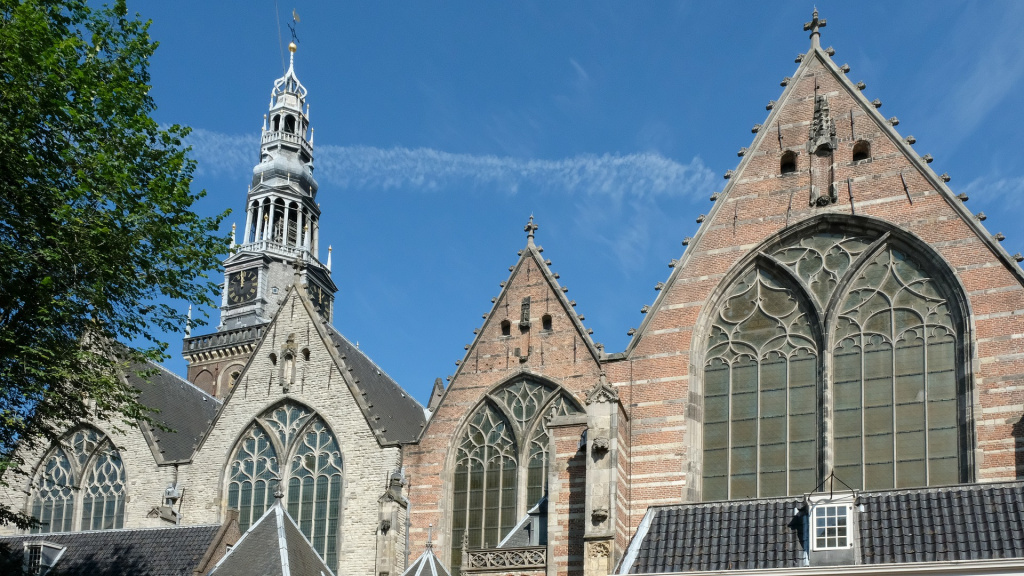
The East Church was built in 1671. Daniel Stalpert designed the building plan, and Adrian Dortsman decided on the details. The building was used for Reformed worship until it had to be closed down in the 1960s due to dilapidation.
This monumental building was bought by Amsterdam for a symbolic one guilder in 1974. Local residents pushed to save the church from demolition after years of inactivity and largely restored it to its historic state.
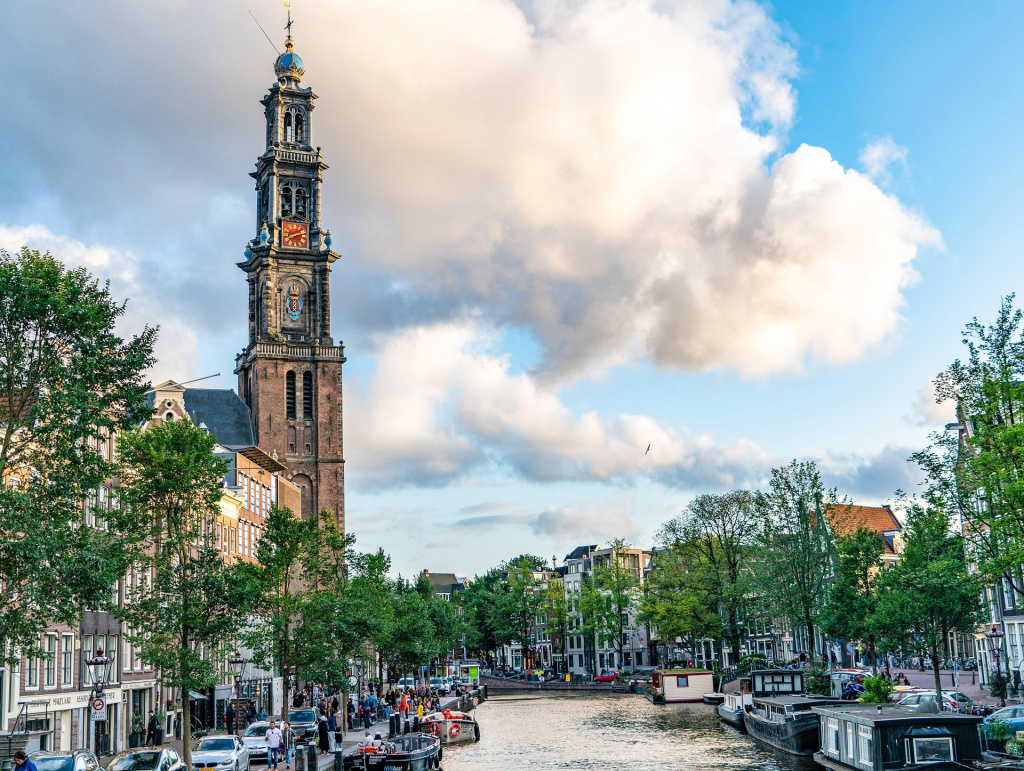
The Westerkerk Western Church, built in 1631, can't be missed in Amsterdam. Hendrik de Keyser developed the architectural plan. The building borders the Jordaan quarter along Prinsengracht canal.
Above the church is a 85-meter spire, the tallest in Amsterdam. The spire is completed with a replica of the «Imperial Crown» of King Maximilian I of Austria. Rembrandt was buried here in 1969, so this is the final resting place.
The New Church Basilica dates back to the 15th century. It's near the Royal Palace. The New Church was built in 1408 because the parish of St. Nicholas couldn't accommodate everyone. It was started by the senior bishop of Utrecht.
Among those buried there are Willem Blaeu, Johan van Galen, Derk Hartog, and many others. There are no divine services anymore, and the building is used for exhibitions and organ concerts.
When you're in Amsterdam, check out St. Nicholas Church, located near the main train station in the old city center. It's the main church for Catholics. The site used to be called St. Nicholas in the Walls because it was inside the city walls, the oldest defensive structure.
In Adrian of Syria Blais' design, he used a mix of styles of the era: neo-Baroque and neo-Renaissance. The facade is decorated with two towers and a window between them.
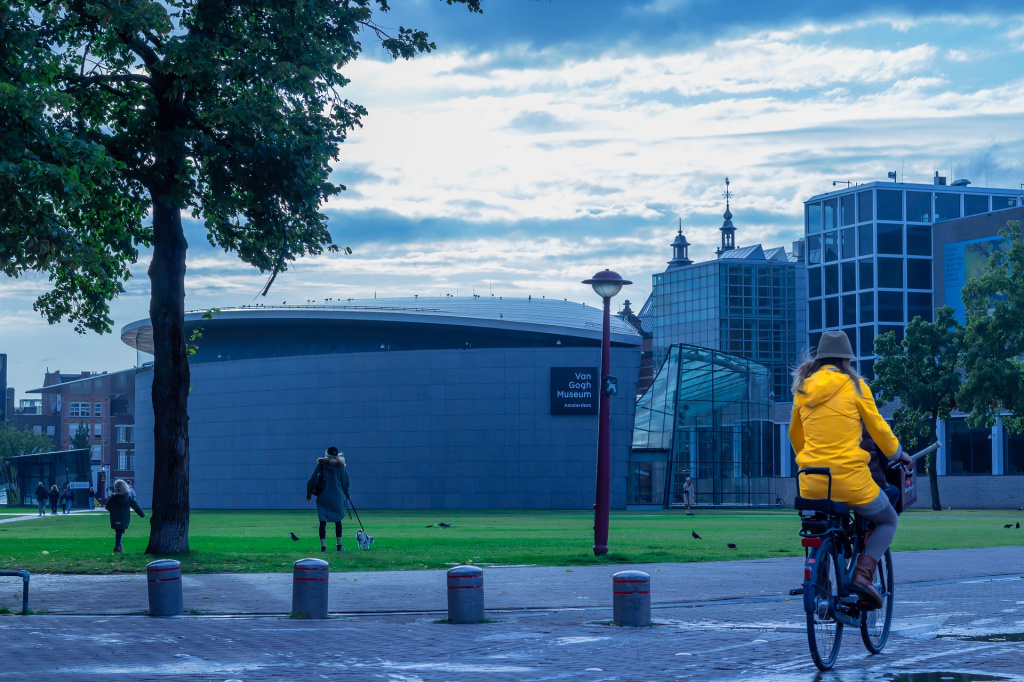
Vincent Van Gogh inspired the construction of this enormous museum, which is incredibly popular. The exposition has a grand collection of works by the master of the brush.
The first two floors are dedicated to Vincent's paintings, which are arranged chronologically so that tourists on the author's tour can see how his style evolved. On the third level, you can find out about the artist's life. The fourth floor has masterworks from Van Gogh's time.
The Rembrandt museum complex is for anyone who likes fine art. In the house, he not only created many masterpieces, but also opened a workshop for his students. Exhibits from the 17th century showcase the everyday life of the artist.
The Rembrandt museum was not just Rembrandt's home, but also his creative studio. The collection has been enriched with art on paper for more than a century and now counts 4,000 engravings.
In the 1939-1945 war, the Anne Frank Museum complex was a refuge for Jewish families who had to flee the Nazi invasion. Visitors were allowed in at the end of 1960.
The memorial is considered to be the most popular one for Holocaust victims. Visitors can look at a Jewish girl's diary and manuscripts. More than a million people come here every year.
With a tower of the same name and centuries of history, Coin Square is a jewel of Amsterdam. At first, it was part of the defensive wall keeping the city's residents safe from raids. In the middle of the XVI century, the walls fell down, but the tower, which originally housed the guards, stood.
The site was reconstructed in the XVII century, adding a spire with eight facets, a clock and a mechanism to create melodious ringing. These days it's a china shop with porcelain items.
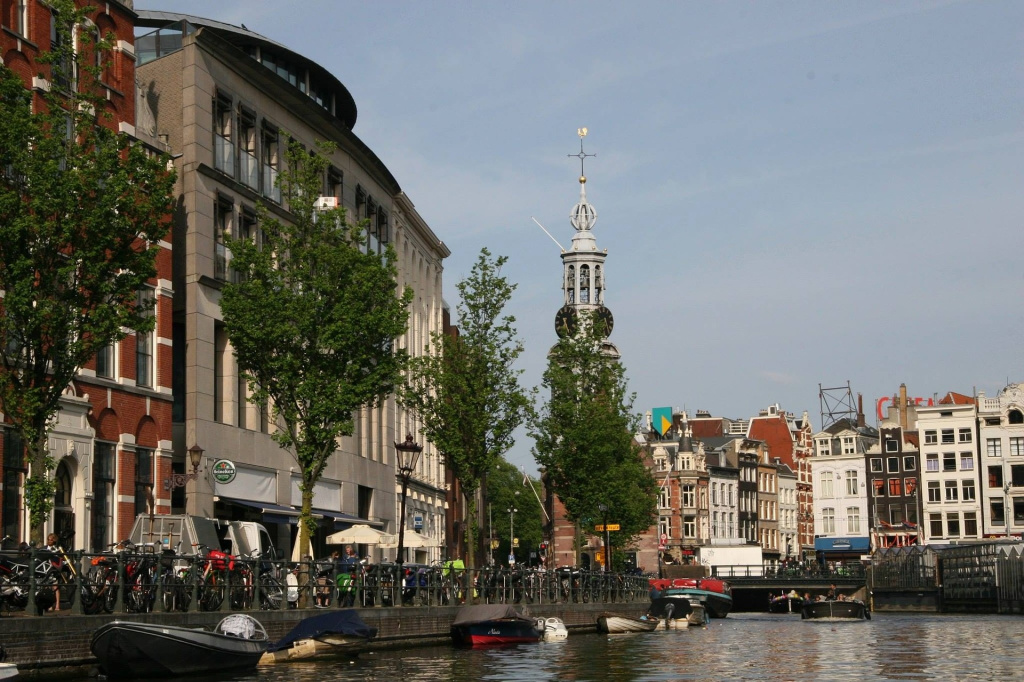
The first time the Montelbaanstoren Tower was written about was in 1537. Even today, the origin of the name is a mystery. Because of the rapid growth of the city, it wasn't used for its direct defensive purpose in the 16th century.
At the end of 1606 an elegant wooden Renaissance structure was added to the original octagonal brick object. Dutch architect and sculptor Hendrik de Keyser designed it.
Built in the middle of 1487, the Wailing Tower was once a fortress. According to legend, the name comes from the tears of wives who bid their husbands farewell before they set sail on ships belonging to the East India Company.
Historians say the site got its name because of the defensive wall, which turned sharply at the tower. Now there's a navigation store there.
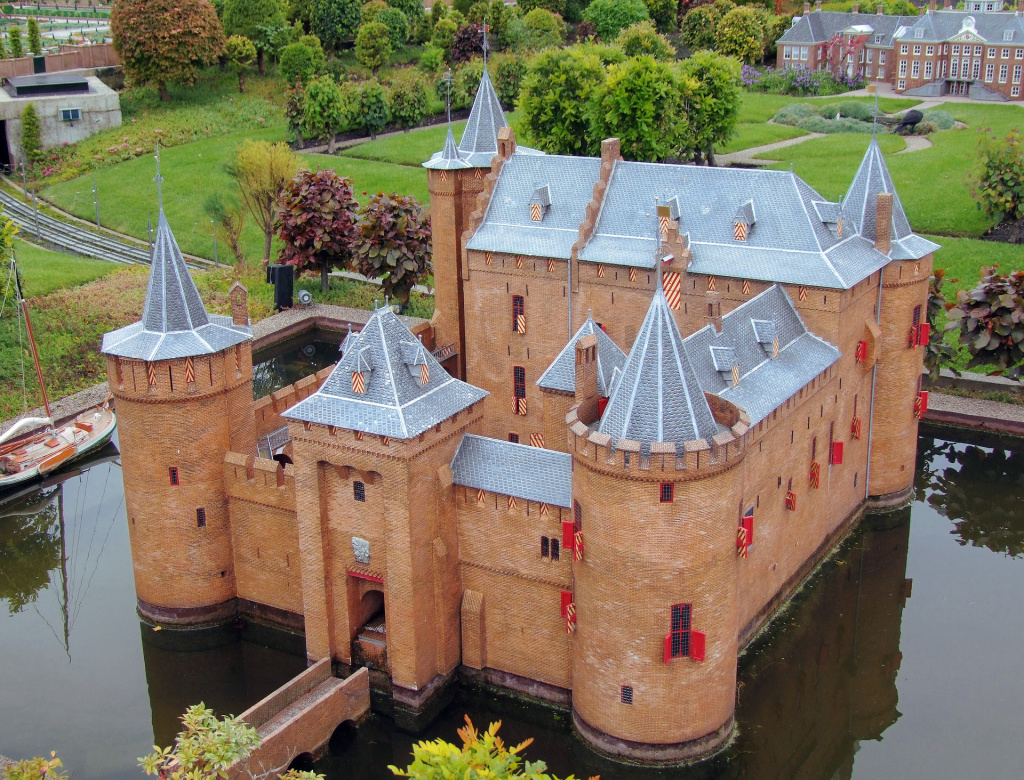
Meiderslot Castle was built more than 700 years ago near Amsterdam, surrounded by water and gardens. It's the oldest almost completely intact building in the Netherlands. This castle dates back to 1285 and has a turbulent and long history.
It's quite a lively place now. It's been a museum since 1878. The building had become severely dilapidated, so they wanted to tear it down. King William I intervened in the matter, so that didn't happen.
If you're in Amsterdam, you have to see the Weigh House, right in the middle of the Nieuwmarkt. The Tower of St. Anthony was part of the city's fortress wall in the 17th century. Upon removing the protective barrier, the tower opened the Weighing Chamber for various goods to be weighed.
Dam Square's old weighing station couldn't handle the ever-increasing volume of goods. Now there are themed cafeterias in there.
The Amsterdam City Museum opened its doors to visitors in 1895, the same year as the first Venice Biennale. It was designed by architect Adrian Willem Weissmann. Right next door is the State Museum.
The building merges old and new architecture. You can get a taste of art and design here. Stedelijk acquired a unique collection of Kazimir Malevich paintings in 1958.
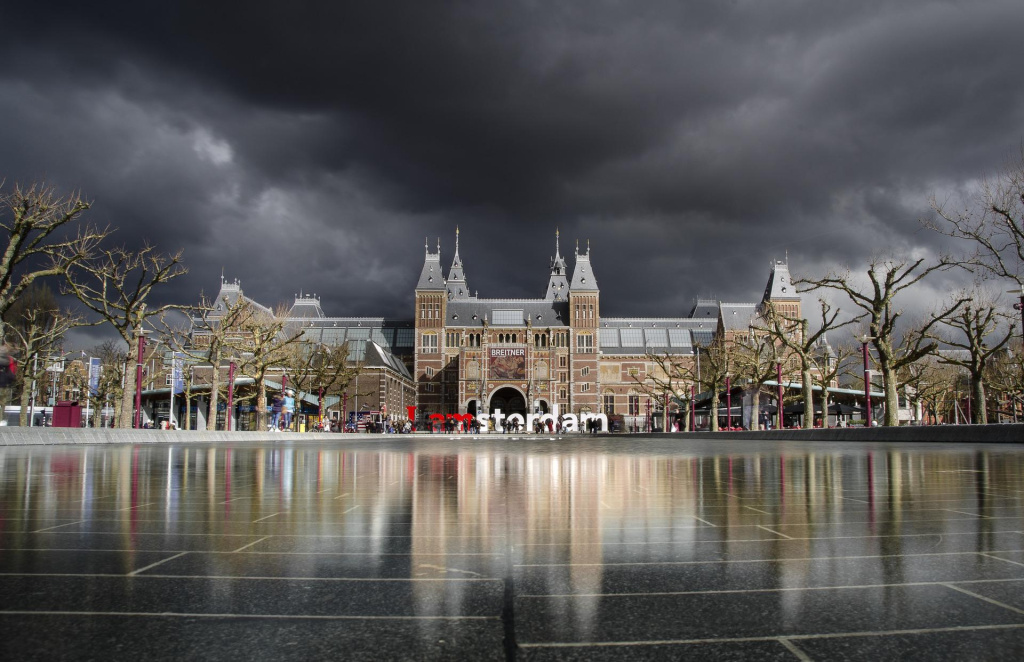
It would be unforgivable to ignore an attraction like the State Museum in Amsterdam. A spirescreen roof adorns the imposing block-long building. Inside you'll find a fine collection of Dutch master paintings.
One of the most important works in the collection is «Night Watch» by Rembrandt. In addition to paintings, the extensive museum collection has Delft porcelain, gold and silver jewelry and other valuables.
The Museum of Archaeology was named after Allard Pierson and houses a collection of ancient artifacts. In the spacious halls, visitors can learn a lot about ancient Egypt, Rome, and Greece.
In late 1976, Queen Beatrix opened the building, which houses a unique collection of exhibits. Previously, it housed a Dutch bank. Mummies and sarcophagi are on display for guests to touch.
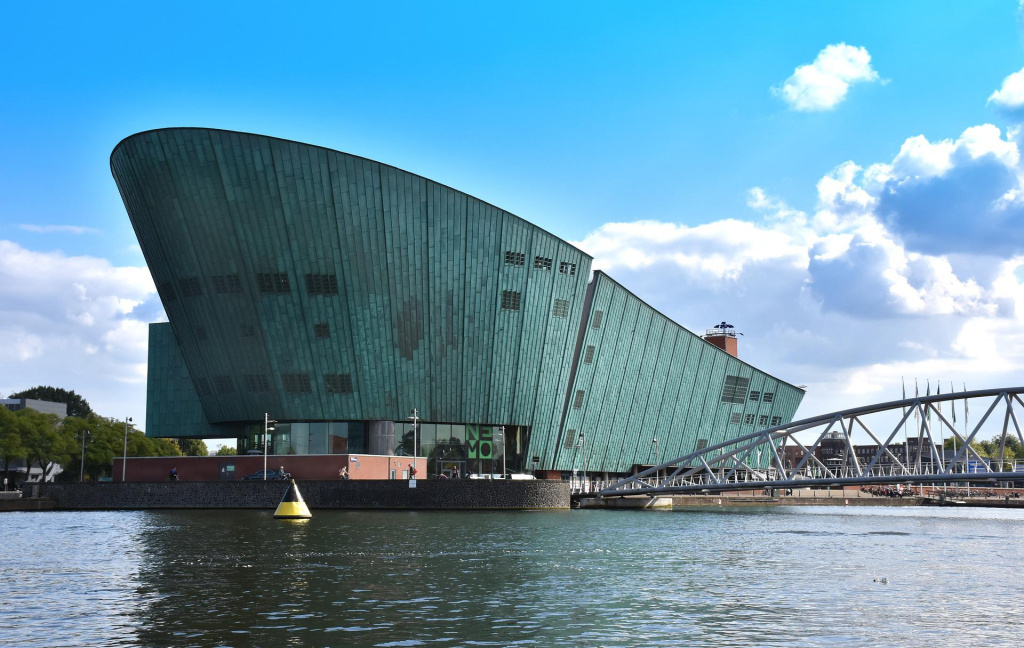
There are places in Amsterdam that are fun for adults and kids. It's worth mentioning the NEMO Museum, which looks like a green ship. Nemo shows how energy shapes our world and influences it.
About 19,500 artifacts tell the story of humanity and energy in the broadest sense, ranging from a pallograph to a walkman, from a Humphrey Davy lamp to a lamppost, to an ancient dynamo to a pulse voltage generator.
Discover Amsterdam from a new perspective at the Canal Museum. This multimedia exhibition shows how the Amsterdam canals have influenced life in the Dutch capital over time. The museum is housed in a classic 17th century house.
Designed by Philipp Wingbonsu. Our sightseeing tour is led by an experienced guide for groups of up to 30 people in Dutch and English.
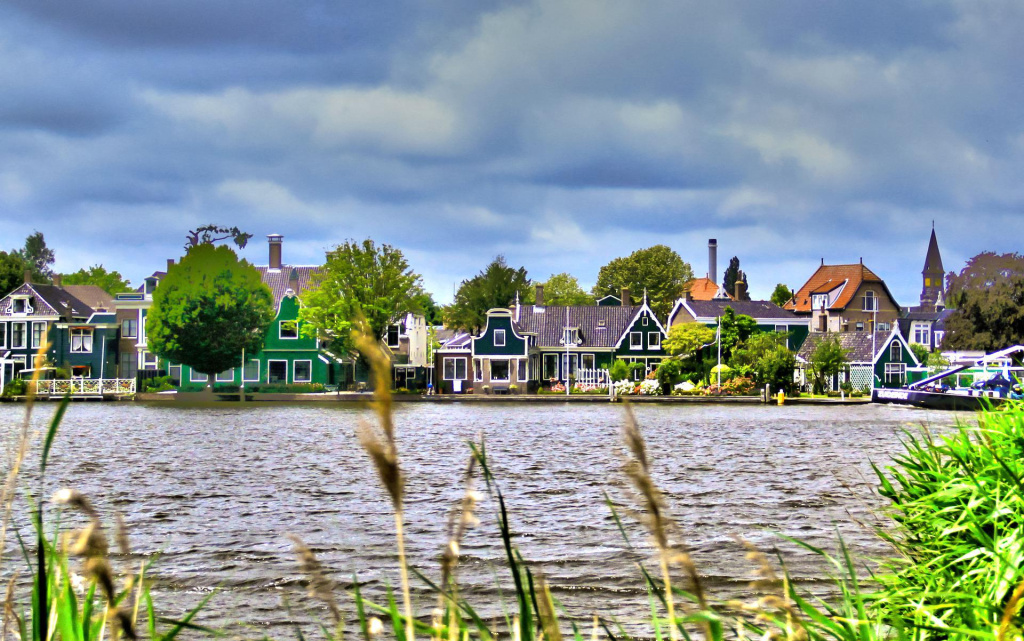
It's right next to Amsterdam where you'll find a colorful and distinctive piece of history, Saanse Schans, now a museum. It sits next to the picturesque River Saan.
Travelers crossing the bridge notice a dozen mills, which are still in operation today. The museum is a real Dutch village from the seventeenth century, preserved in its original form for modern times.
Heineken Museum is a look into the brand at Amsterdam's oldest brewery. The old halls closed in 1988 because there wasn't enough capacity to meet beer lovers' needs.
The historic building is now a museum where you can learn about the company and the brewing process. Visitors can taste the hops and smell the beer, walk through the halls, and see the evolution of this world-class brand.
De Gooyer is one of the oldest windmills in the Dutch capital, situated between the streets Funenkade and Zeburgerstraat. The building is over 26 meters tall and is rightfully considered the tallest in Amsterdam. The Netherlands is very proud of it.
1609 is when it got its name. The Gooyer Molen – the only one that existed on the wall of the bastion in the XVII century. At the end of 1928, the structure was severely dilapidated. The city bought it and restored it.
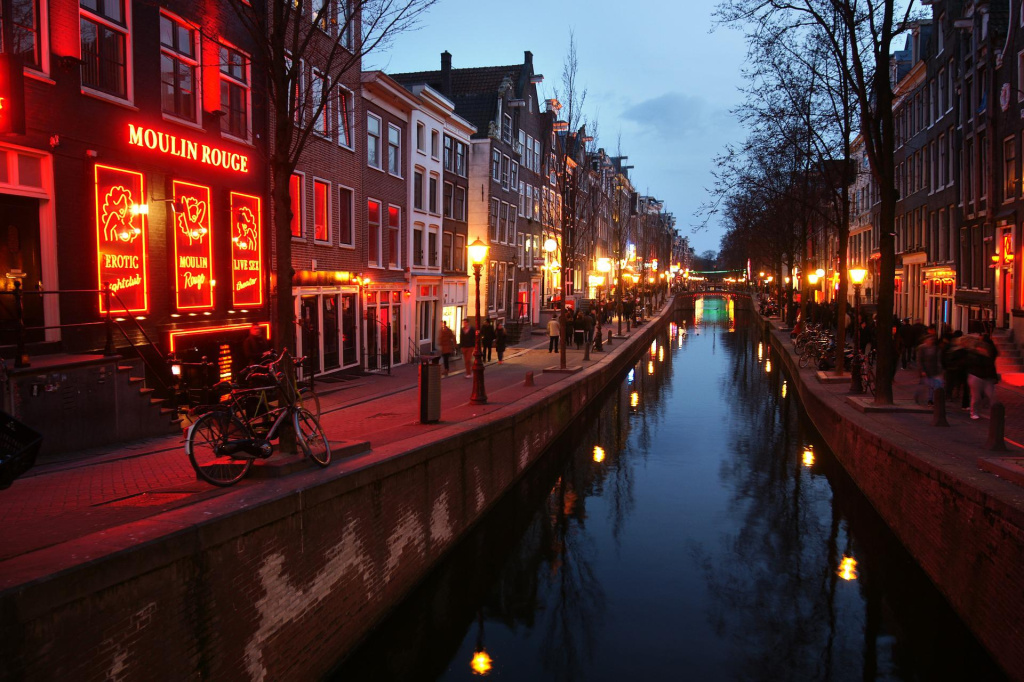
Amsterdam has a lot of original sights. Everyone knows about the red light district. It's a street where in the windows, lit by a red light, lovely ladies of the oldest profession entice people.
There are a lot of adult theaters and sex shops in the neighborhood. In the 14th century, the streets were completely dark and people had to light their way with lanterns.
It is a must to visit Artis Zoo, which was opened in 1838, when traveling around Amsterdam with the whole family. There are about 6,000 pets in the park representing 700 species.
In the zoo, there are not just cages and aviaries with animals, but a planetarium, a farm for kids, a huge aquarium, greenhouses, and a museum of geology. The Zoo reveals the secrets of local flora and fauna.
Traditional bridge in the Dutch capital is the double-winged bascule bridge of Magere Brüg, which is an architectural masterpiece. Especially at night, when it's lit up by magic lights, it's the most photographed thing.
The bridge connects the two banks of the River Amstel. The bridge was built in the XX century, and it's an exact replica of the crossing from the XVII century. After it was restored, traffic was banned, and it became a pedestrian bridge.