$ (USD)
English


«See Paris and die» isn't cool anymore. When you visit the French capital, Paris has always had a romantic halo, symbolizing love, beauty, and grace. There's nothing better than seeing Paris and wanting to live there!
You'll need more than one day to enjoy the unique atmosphere of Paris. Here's a list of the best places to see in the city that the curious tourist won't want to miss.
It's hard to find someone who hasn't heard of the Louvre, Eiffel Tower, or Champs Elysees. Many other famous landmarks have become symbols of Paris and France.
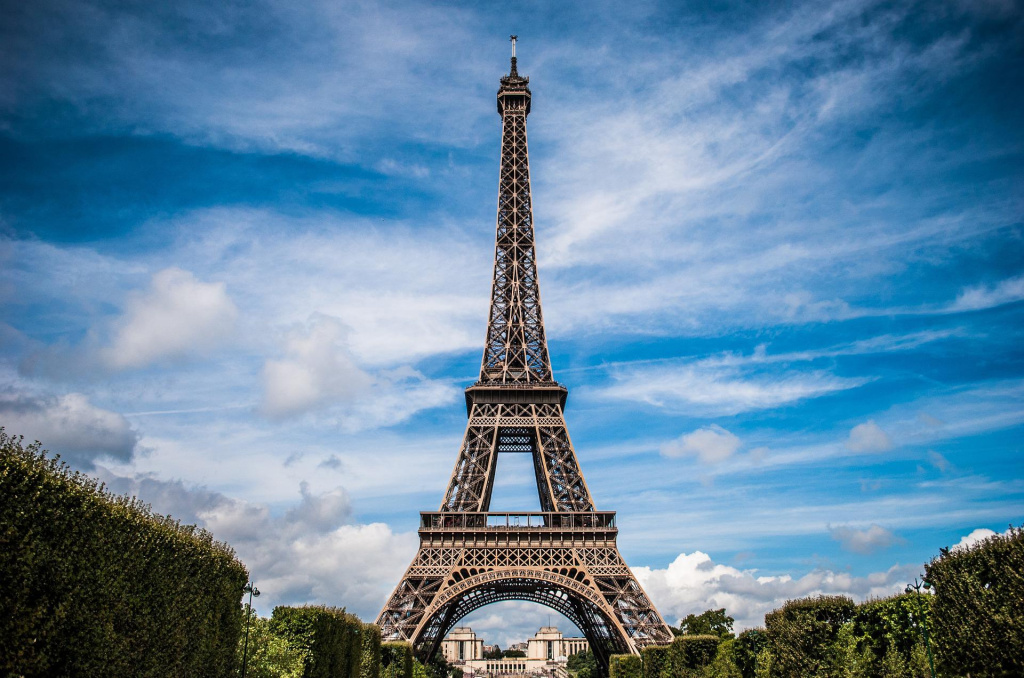
«Paris' shame, the tallest lamppost in the world, the iron monster…» What other offensive nicknames were used for Eiffel's creation when it first appeared? The Eiffel Tower was originally designed as the entrance arch for the Universal Exhibition of 1889.
In terms of size and construction, the structure was impressive. The tower was protested by over 300 members of the arts community, who felt it was out of place. A dislike of the tower didn't stop Guy de Maupassant from eating there every day. The writer explained his decision by saying it was the only place where his eyes wouldn't suffer from the «ugliness» of the giant structure.
He'd gotten over the years of criticism. Although the Eiffel Tower lost its title as the tallest building in the world in 1931, that didn't make it any less popular. Most tourists make a point of visiting the landmark. You can't miss this tower: it's visible from everywhere in Paris. If you want to go up, you can walk or take the elevator. At night, the Eiffel Tower flashes multicolored lights. Every hour, the 20,000 lights flash for five minutes.
Tip: If you are visiting the Eiffel Tower, consider climbing it as well. Getting to the second floor on foot is the most budget-friendly and acceptable option. To get to the tower, take the metro to Champ de Mars-Tour Eiffel (RER C), École Militaire (line 8), or Bir-Hakeim (line 6).
Paris has one of the most popular and largest museums in the world, located near the Tuileries Park on the right bank of the Seine. The museum had over 10 million visitors in 2018. The complex used to be the residence of French kings, but it's now a museum since the royal court moved to Versailles. The collection has more than 35,000 items and it would take at least a week to go through them all.
The museum's exhibits showcase paintings, sketches, engravings, bronzes, sculptures, tapestries, ceramics, porcelain, fine jewelry, and ivory products collected over many decades. Venus of Milos and Nika of Samothrace and Leonardo da Vinci's Mona Lisa are the most famous exhibits
Tip: You can't even see half of the Louvre in a day. Plan which collections will pique your interest first by getting acquainted with the halls' layout in advance. You won't have to wait in line when you buy your Louvre tickets online.
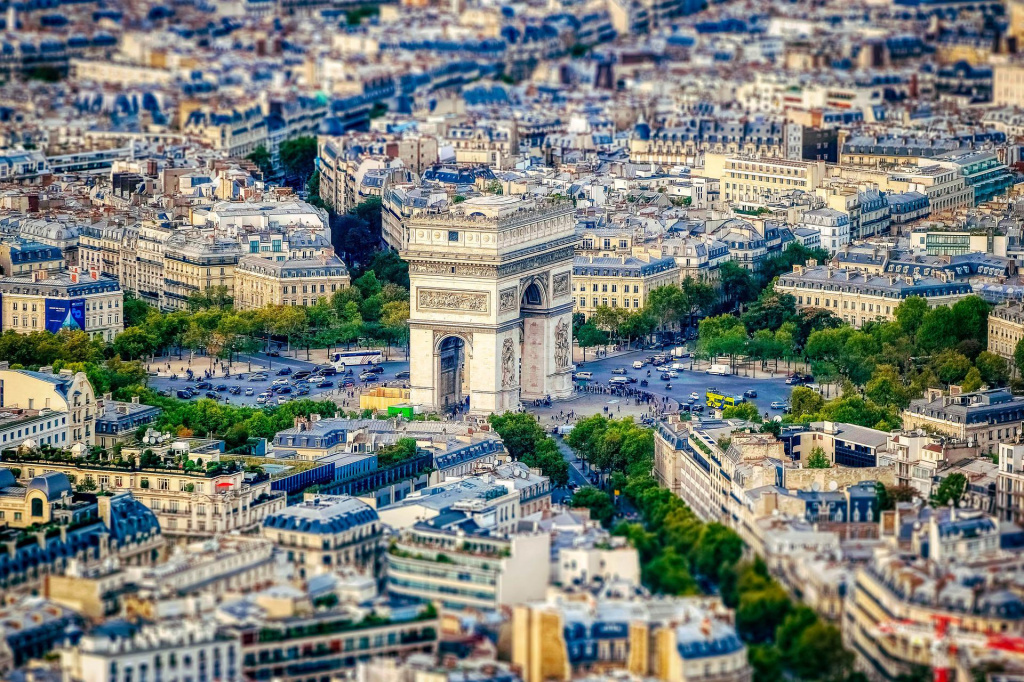
On Place Charles de Gaulle, there is a monument built as a symbol of Napoleon's victory at Austerlitz. The construction took 30 years, and it was finished in 1836. The arch has been used for military parades and other ceremonies.
The monument has historical and architectural significance. The sculptures illustrate key moments in the country's history. There's also a list of famous military leaders who made France famous. The Arc de Triomphe was «disguised» in 2021 by a modern artist named Christo. But not everyone liked it.
Tip: You can take in the beauty of the whole city from the observation deck of the Arc de Triomphe.
This is the name of one of the world's most expensive streets. The Arc de Triomphe is about 2 kilometers from the Place de la Concorde. Champs-Elysées is like a luxury symbol. You'll find offices of many of the biggest companies in the world here, as well as restaurants, hotels and stores. Many national holidays and public events are held on Champs-Elysées. It's where the Bastille Day parade happens. Last leg of Tour de France ends on the most famous street in Paris.
Tip: The Champs-Elysées are popular with shoppers and strollers. People who love historical sights and architectural masterpieces might find it a bit boring. But if you can muster the energy to walk to the Arc de Triomphe, you'll be rewarded!
Maria de' Medici, wife of Henry IV, built the garden and the palace in the 17th century. You can walk to the Sorbonne and the Latin Quarter from here. Louvre is right nearby. Today, the palace park is a favorite spot for Parisians and tourists. You can see the pond as well as the palace and ponds with fountains and statues here. Probably the most iconic place is the Fountain of the Medici and the nearby pond.
Tip: The Montparnasse Tower is not far from the Luxembourg Garden and provides a panoramic view of Paris. There is no comparison to the view from the top of the Eiffel Tower, and it is much easier to get here.
The most colorful part of Paris is actually located on the highest point of the city, which is located on a hill 130 meters high. There are a lot of streets, boulevards, and bohemian quarters around here. There were geniuses like Picasso and Modigliani in Montmartre. The streets are crowded with artists and cartoonists today, who will gladly sell you their paintings. You never know, maybe you'll find a masterpiece of an upcoming genius on Montmartre!
Tip: When you're walking around Montmartre, don't miss the Wall of Love. It is written in more than 300 languages with the phrase «I love you». You can visit it for free.
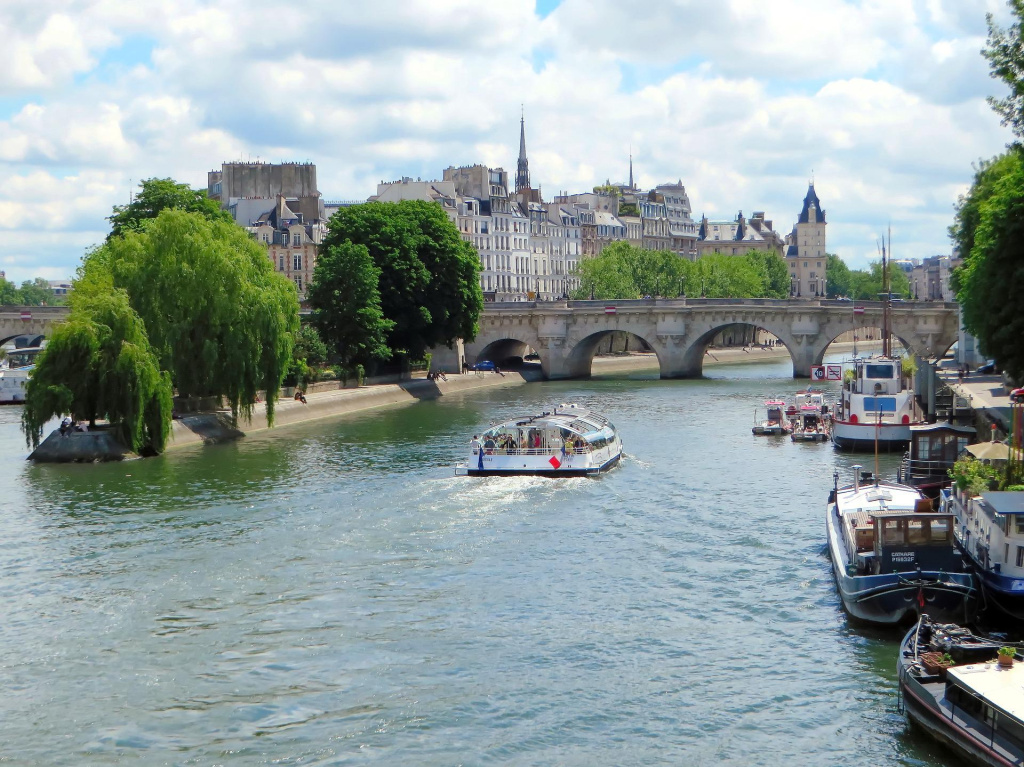
Located in the historic part of the city, the island's outline resembles the outline of a giant fish. In fact, it was here that the territories of the future Paris were settled. It was first settled by the Celts, then by the Romans. Cité also had the first Christian church during the Merovingian Dynasty.
Sitet has changed a lot in the XIX century. Back then, urban planners paid little attention to the history of the neighborhood. New buildings went up, roads got widened. In spite of this, Cité still retains an atmosphere of the Middle Ages, mainly thanks to Notre-Dame Cathedral and Conciergerie Palace.
Tip: Check out the bridges on the island. You can admire the elegance of the arches and fortifications on the oldest of them, Pont Neuf, which is reminiscent of medieval Paris. Don't forget to check out the flower market too.
Palais Royal is an architectural complex next to the Louvre. There's a palace, a square, and a pretty park. Richelieu, the famous scheming Cardinal, designed the palace. The Palace became known as the Royal Palace after it was inherited by Anne of Austria and her kids.
During the Paris Commune, the Palais Royal suffered years of degradation and destruction, but was gradually rebuilt. Renovations were done in the 80s of the last century to make it ultra-modern. Daniel Buren painted 260 columns black and white in stripes. His creations are 260 columns of various heights. The park area of the architectural ensemble has an unusual amount of silence and tranquility for the middle of the city.
Latin Quarter is a mix of cultures and eras. In this medieval city you can wander through medieval streets, enjoy student brotherhoods, drink coffee in dozens of cafes, and enjoy the Pantheon and Church of Saint-Severin. The oldest university in Europe is in the Latin Quarter – the Sorbonne, founded in the XII century.
Tip: You can get to the Latin Quarter from the historic part of the city or the island of Cité. Also, you can take the Metro to Saint-Michel-Notre-Dame or Cluny-la-Sorbonne.
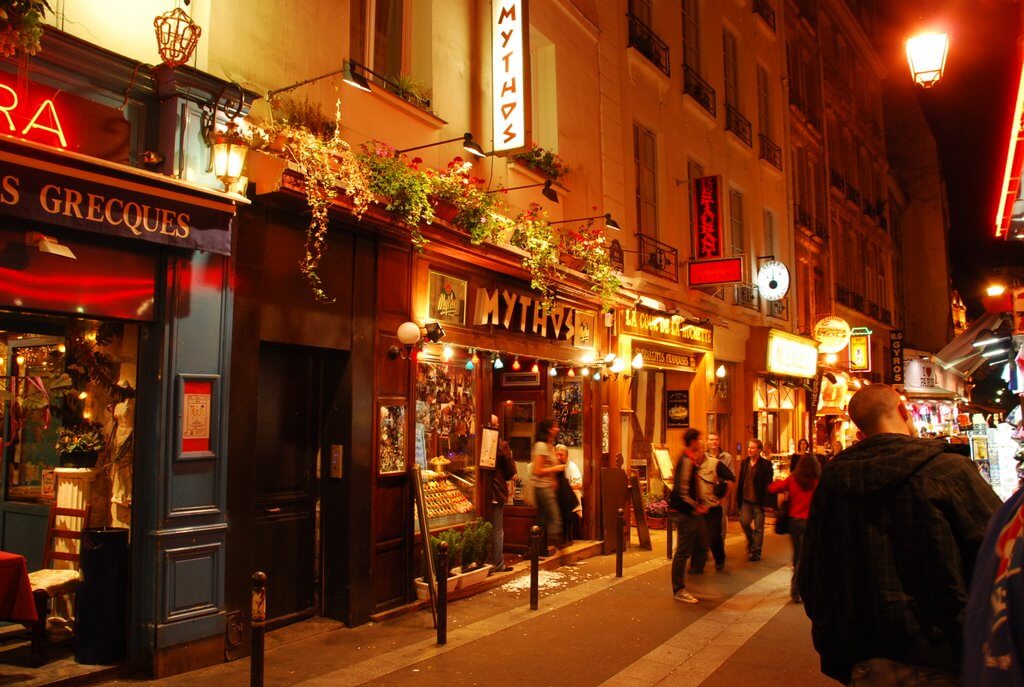
Photo: paris-life.info
Founded in the 13th century, it's the oldest higher education institution in Europe. Currently it consists of 13 autonomous high schools, four of which are in the Latin Quarter. The name of this part of Paris comes from the Latin language training that took place at the time. You can admire the architecture of the old building but not inside the Sorbonne.
A 30-thousand-square-meter luxury shopping center makes a big impression with its grand scale, chic interiors, and not less chic prices. In 2009, the gallery turned over 1 billion euros. The best place to buy clothes, technology, cosmetics, and jewelry in Paris. The Gallery has lots of bars, patisseries, eateries, and restaurants.
Tip: Galeries Lafayette is close to the Opera Garnier and Madeleine church. It's open Monday through Saturday from 9am to 8pm. On Thursday, it's open until 9pm.
The Arch is in the modern business district, which is also known as the «Parisian Manhattan». This monument was created at the initiative of President Mitterrand as a symbol of humanism, and is a «peaceful» alternative to the Arc de Triomphe at the end of the Champs-Elysées. With a width of 108 meters, a height of 110 meters, and a depth of 112 meters, the structure is a regular cube. 1989 marked its debut with a parade.
Tip: You can get to the observation deck with the elevator if you like beautiful views.
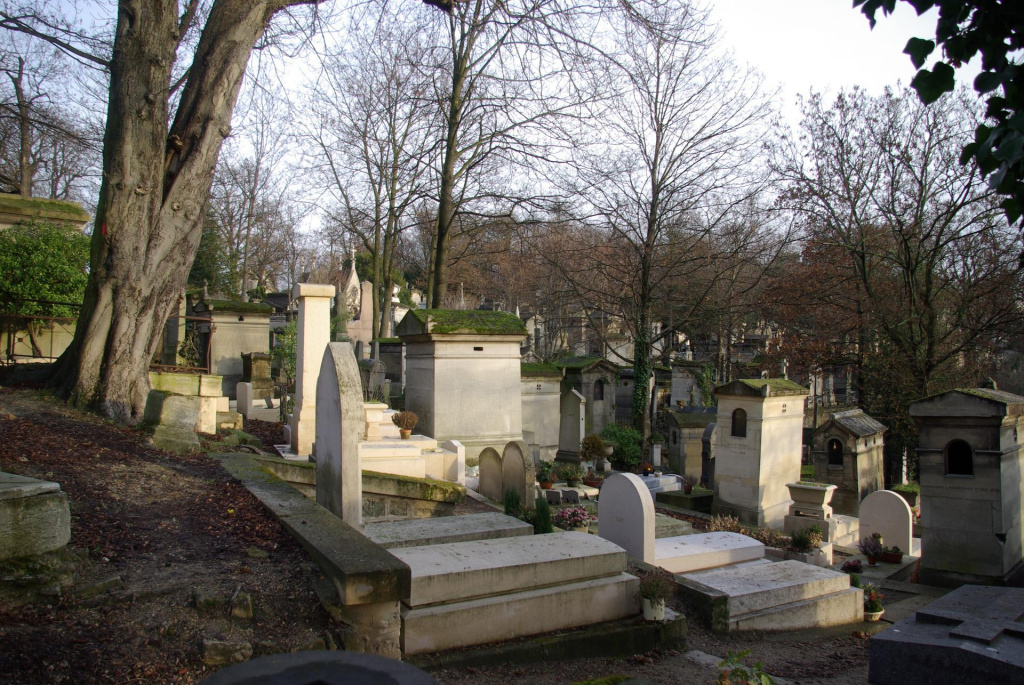
Paris' most famous necropolis is in the eastern part of the city. With an area of 48 hectares, it's not just a cemetery, but also a tombstone museum. There are plenty of famous statesmen, artists, actors, and poets buried here. Among them are Honore de Balzac, Sarah Bernhardt, Amadeo Modigliani, Frederic Chopin, and Edith Piaf. Over 2 million people visit the cemetery every year.
Tip: Free entry to the area is available from 8 am to 6 pm daily (during the winter from November 5 to March 16 – until 5:30 pm).
Paris has a lot of attractions that aren't for people with poor minds or heart issues. A vast network of tunnels filled with bones makes up the catacombs. From the remains of people who died of the bubonic plague to the victims of the bloody Night of Bartholomew, this museum captures the pain of many tragic events. 20 meters underground are the catacombs. They've been open since 1809.
Tip: The catacombs aren't accessible to people with mobility issues. There's no special equipment for wheelchairs or walkers. It's not recommended for kids under 10. The temperature shouldn't go over 14.
The oldest building in Paris, dating back to the first century. The amphitheater was used for two centuries for performances and bloody fights. When the land was captured by the nomadic Huns, the Arena was no longer needed, and the stones were used in the city's construction.
Only a few centuries later were they declared a historical monument and placed under state protection. Today, they attract thousands of tourists and even host soccer games on the weekends.
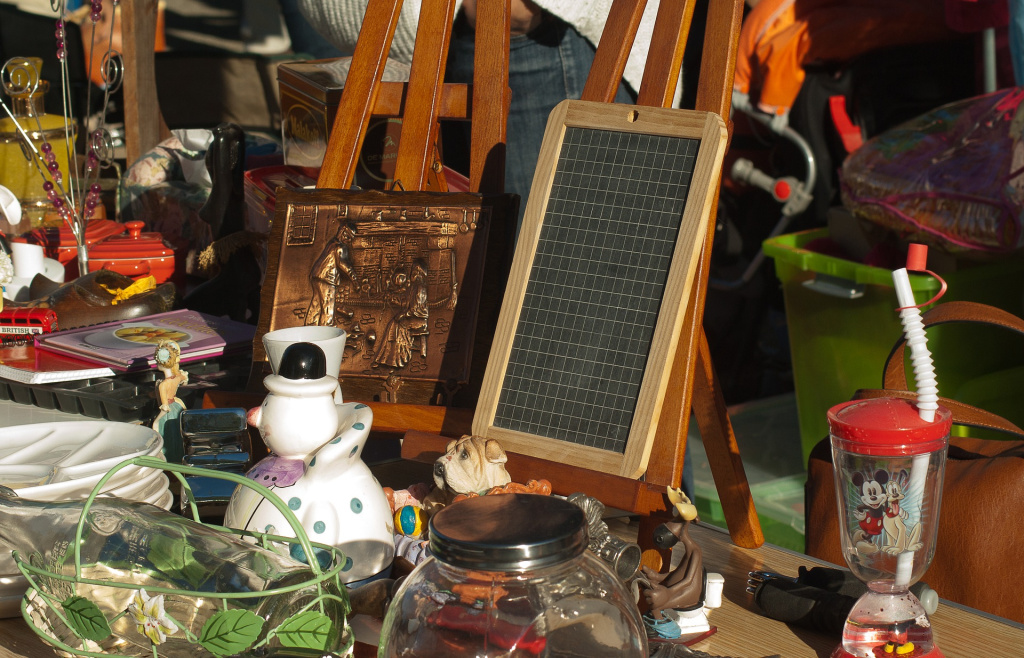
During the nineteenth century, junk makers in Paris weren't allowed to trade within the city, so they concentrated on the outskirts. The furniture and clothing they sold had vermin on them. That's why they had an odious name. Today, Saint Ouen is a suburb of Paris where you can buy antique art, antique machinery, and antique furniture.
Tip: Each part of the market specializes in a different product, covering a very large area. It's a good idea to familiarize yourself in advance with the St. Wen scheme if you're going shopping. It'll save you time.
France's fifth longest river is one of the most popular attractions in Paris. It's inextricably linked to the city's history. There are 37 bridges across the river in Paris today, including the oldest one, the Pont Neuf.
Tip: A boat ride on the Seine is one of the easiest ways to see the historic part of Paris, including the Eiffel Tower, Notre Dame Cathedral, ORsay Museum, and Invalides House. Many of these and other sights are only visible from an unusual and original perspective.
There are more than a hundred churches in Paris, some of them famous. A lot of the most popular have been the subject of art, including works by Victor Hugo and Alexandre Dumas.
Not only for Parisians, but for all of France, Notre Dame is a symbol and a source of pride. A fire broke out in April 2019, and hundreds of people on their knees prayed to save the national relic. In its history, Notre Dame de Paris has suffered, and once again, it has survived.
The cathedral was built on the site of the city's first Christian church in the eastern part of the island of Cité. The current building dates from the XIV century, but its construction took nearly two centuries. The cathedral is one of the most iconic Gothic buildings in Europe. The interior has beautiful stained-glass windows that let daylight in.
Tip: Notre Dame is shut down after the fire. It's only visible from far away. When the boat comes close to the island of Cité, that's the best time to do it.
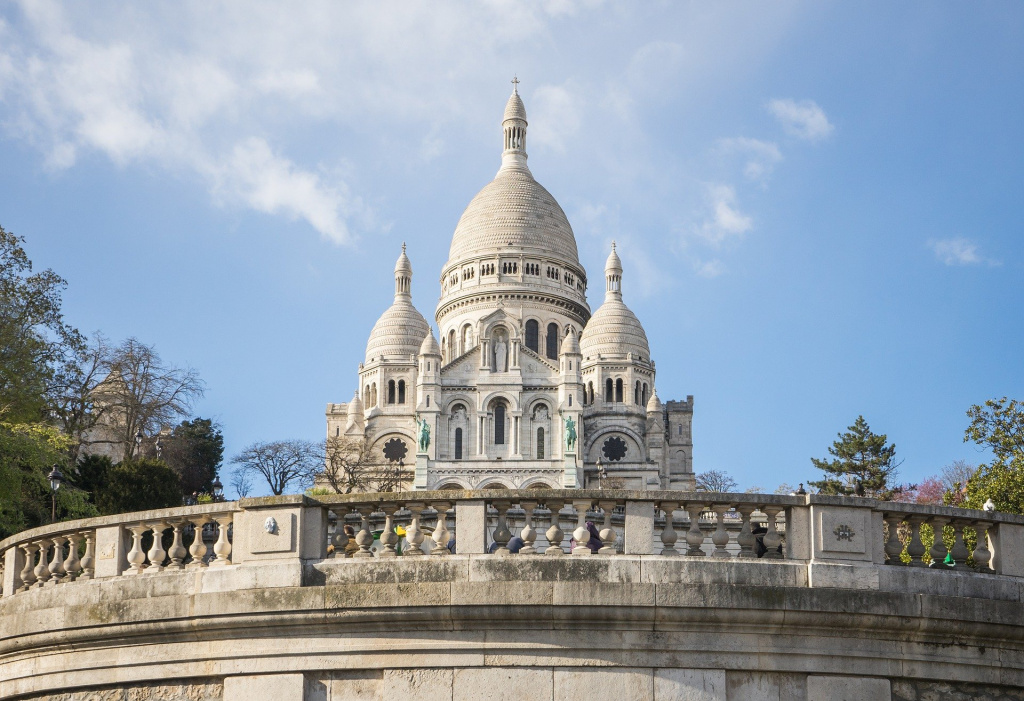
You have to climb over 200 steps to get to the Basilica in Montmartre. You can also take the cable car. All your effort will be rewarded with a sweeping view of the city from the hill at the foot of the temple. Sacré Coeur was built between 1875 and 1914 in the Roman-Byzantine style, both with public funds and with citizen donations. The dazzling whiteness and elegance of the church makes it look like it's hovering over Montmartre and all of Paris.
A small Gothic church in Europe, Saint Chapel is one of the most picturesque. It was designed by King Louis the Holy to store holy relics he got during the Crusades. The main relic is the Crown of Thorns, which, according to the Gospels, was placed on Jesus' head.
Until the royal necropolis was moved to Saint-Denis, the Benedictine abbey was a burial place for French kings. He also has a quarter on the left bank of the Seine named after him. All that's left of the abbey today is the church, which was constructed in a Romanesque-Gothic style. The architecture also shows off the Baroque style. Jan II Casimir, former Polish king, and René Descartes are buried in the church.
You'll find the church between the Luxembourg Gardens and Saint Germain. This is one of Paris' undeservedly neglected sights. Meanwhile, it's second only to Notre Dame in size and grandeur, and its history is inextricably tied to many famous Frenchmen. Hugo got married here, Jules Verne was inspired here, and Dan Brown wrote The Da Vinci Code in this church. Despite this, church officials wouldn't let the movie be shot in the church, so it had to be filmed in a specially equipped pavilion.
Tip: Visit the church during a walk through the Latin Quarter, which also features the Luxembourg Garden, the Pantheon, and the Sorbonne University.
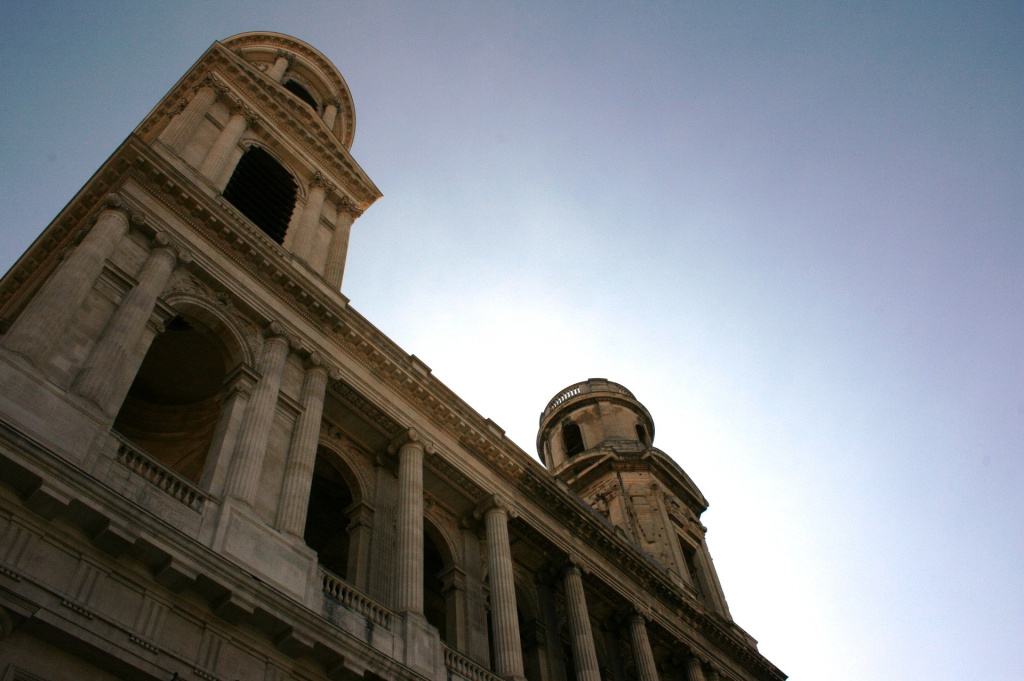
It's been called the most Roman church in Paris. The church was built by Anne of Autria in gratitude for the child sent by God. A sample of the dome from St. Peter's Cathedral in Rome was used in erecting the church, so it's «Roman». One more idea borrowed from St. Peter's Cathedral is the luxurious canopy with six twisted marble columns.
Tip: Get a free organ concert at the church if you're in Paris between October and June.
We already talked about the main museum of the city, the Louvre, at the start of our description. But even if you could not get there during the sightseeing tour, do not despair. Other museums in Paris are just as cool as the Louvre, even if they're smaller and have fewer exhibits.
The museum building at the edge of the Bois de Boulogne was originally a hunting lodge. Marmottan was a passionate art collector whose family bought it. Museum exhibits were made from paintings collected by several generations.
More than 300 works by famous Impressionists and Post-Impressionists are held in the museum's collections, including works by Edouard Manet, Edgar Degas, Pierre Auguste Renoir, Paul Gauguin, and Claude Monet. As well as paintings, the museum has antique furniture, sculptures, bronzes, and porcelain.
Tip: You can visit the Monet Museum in Giverny with the double ticket you get at the ticket office. It's open from April 1 to October 31.
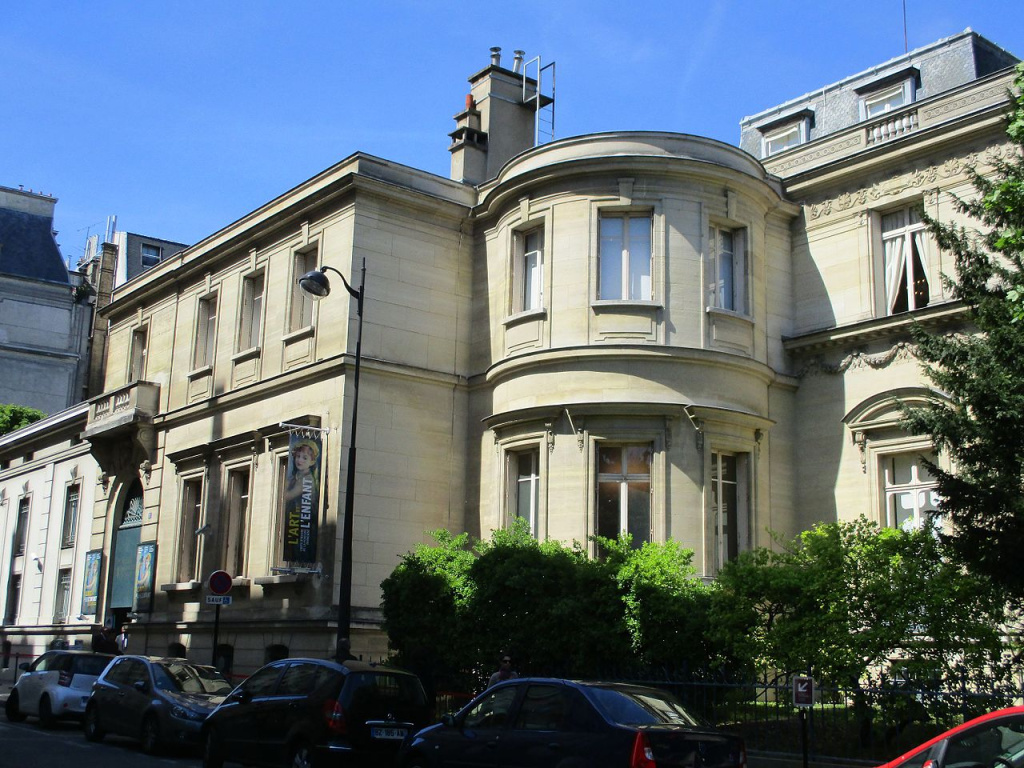
Photo: tonkosti.ru
The museum is in a former train station. 1970, the building was going to be torn down because of the increased traffic. Thankfully, the minister of culture intervened and saved it for the museum of the future. It opened in 1986 with the world's best collection of Impressionist paintings, drawings, and sculptures. In the Musée d'Orsay you can see works by Monet, Manet, Gauguin, Van Gogh, Renoir, and Degas.
Tip: The Orsay looks tiny compared to the Louvre. But if you don't have time and only want to see the most interesting things, go to the top floor where the Impressionist collections are.
Near Place de la Concorde, the museum is on the west side of the Tuileries gardens. It's cool to see the museum building itself, made in classical style with columns and big windows. The Orangerie has a collection of Monet paintings on its curved walls. The museum has more than 140 paintings by masters such as Picasso, Renoir, and Modigliani.
Tip: On the first Sunday of every month, admission to the Musée de l'Orangerie is free.
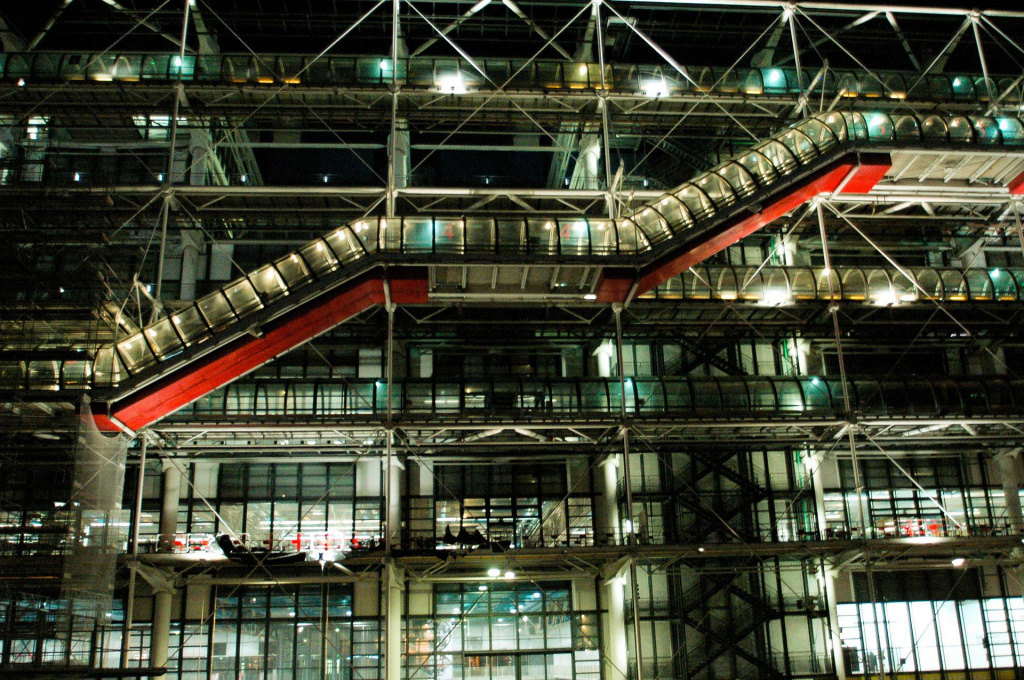
With classical and impressionist art, it's hard to surprise Parisians. It was decided in the 60s that the city didn't have a multifunction cultural center. It was the Pompidou Center, the embodiment of original and innovative ideas. Communication with the outside world is one of the building's peculiarities.
By using this idea, not only do you draw attention to the building, but you also make it look spacious and capacious. The Center shows contemporary art in its exhibition halls. Also, there's a movie theater, a concert hall, and several restaurants and bars. There are so many compositions in the Pompidou Museum that you can see them in half a day.
The Museum of Art has a huge collection of works by the famous French sculptor Auguste Rodin. It's located near the House of Invalids in a cozy mansion. At the beginning of the 20th century, the mansion was home to French bohemia. Among its famous residents were Isadora Duncan, Henri Matisse, and Rainer Maria Rilke. Rodin's sculptures, drawings, photos, and books about his life and work are on display.
It's in Paris Marais, a medieval quarter. At different times, it was the school for arts and crafts, and the embassy of Venice. In 1965, the Picasso Museum opened. Picasso created paintings, sculptures, drawings, collages, ceramics at different stages of his career.
Tip: It's in Paris' III district. You can get there by metro from Saint-Paul and Chemin Vert.
They're everywhere in Paris. Find one you like. There's something for everyone, from classic to modern.
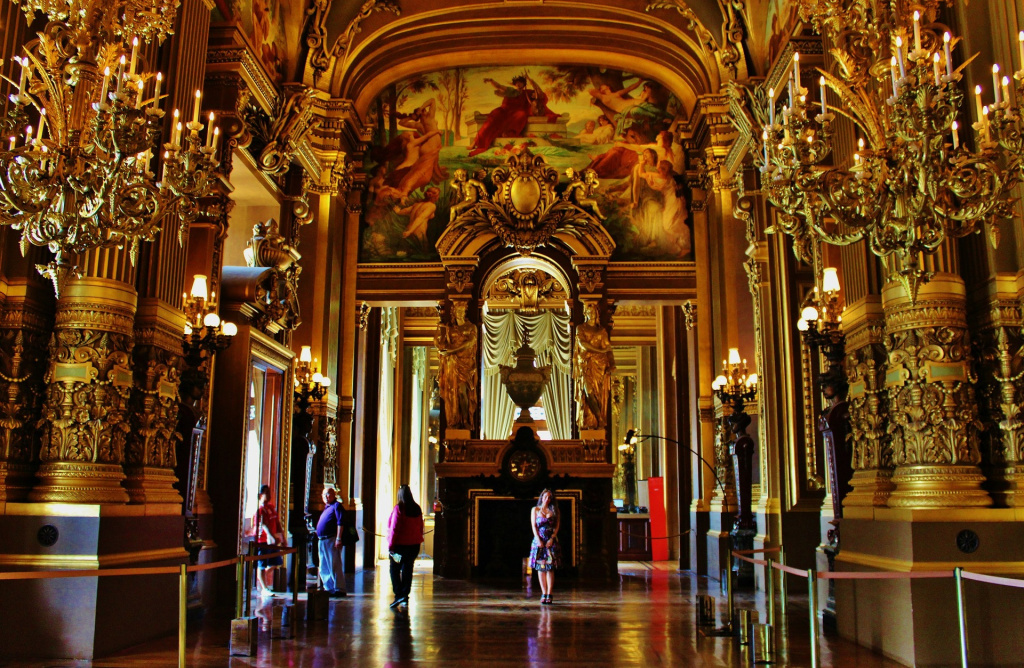
Even the most experienced tourist can be awestruck by the opulence and grandeur of the Opera building. It's one of the best eclectic-art buildings around. If you wish to see the Opera from the inside, you do not need a ticket for the performance. Tickets are 12 euros, and include access to the grand staircase, dance foyer, theater foyer, library-museum, as well as a store with books, souvenirs, and music CDs.
The Moulin Rouge cabaret, located in Montmartre, opened at the end of the 19th century. Cancan was known around the world for its dance, which at that time was a challenge to primitive society. As well as Parisians and members of high society, the Prince of Wales visited the Moulin Rouge. Spectacular performances, relaxed dancers, glitter and fancy feathered costumes will impress anyone.
Tip: You can get tickets online. You can also order champagne, which you can get at the show.
The idea of opening a new opera house came from French President François Mitterrand. During the 200th anniversary of the Bastille's capture in 1989, the inauguration happened. Currently, the theater is a worthy rival to the Opéra Garnier. Over 2,500 people can fit in the large hall.
It is a very green city in Paris. There are lots of parks and recreation areas in the city center, as well as in nearby neighborhoods.
The park is between Boulogne-Billancourt and Neuilly-sur-Seine. Some call it the city's lungs. Long gone are the days when the park was a haven for thieves. Bois de Boulogne gained a reputation for being a great place to walk and relax after the royal castle was erected here. The city has hiking trails, bike paths, horseback riding areas, restaurants, and food courts.
Tip: There's a twist to the Bois de Boulogne. All year long, it is staffed by members of the oldest profession, including transgender prostitutes.
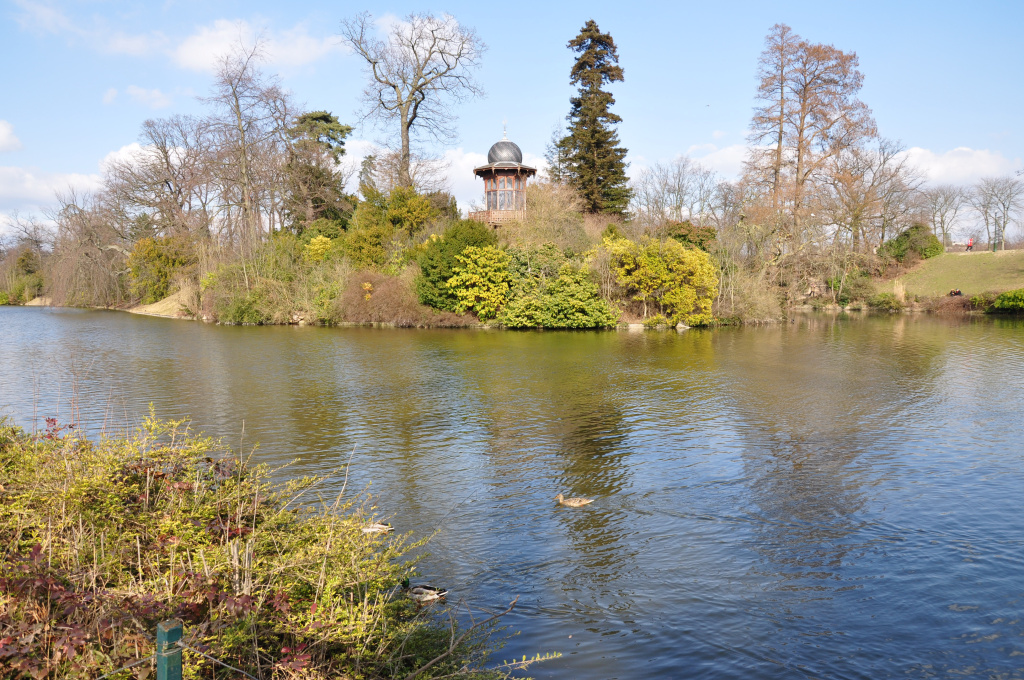
Photo: wikipedia.org
Located on the right bank of the Seine, near the Louvre and the Place de la Concorde, this green area is in the heart of Paris. Catherine de Medici commissioned the garden and park ensemble. Enjoy sculptural groups, relax on chairs by the pond, take pictures against the backdrop of flower beds, and check out the Orangerie Museum, the National Gallery Jeux-de-Pom, and the Arc de Triomphe on Carousel Square.
It's the third largest park in Paris, located in the northeastern part of the city. There are green lawns, flower gardens, lakes, hiking trails, grottos and waterfalls on the 25-hectare property. It sounds like «Park of bald hills» in translation, but Beau Cheaumont is the most romantic park in Paris.
Tip: Take the metro to Buttes Chaumont, line M7bis, to get to the Park Buttes Chaumont.