$ (USD)
English


The capital of Austria, Vienna, is one of the most fascinating cities in Europe. Palaces and museums, parks and ancient churches, theaters and monuments – there's something for everyone. Adults and kids can go on excursions. It'll take more than one month to see everything in Vienna. Tourists usually stay for less time in Austria.
So we've put together a list of the places you can't miss.
Once you see them, you'll remember them forever. They're architectural jewels.
Vienna's Imperial Residence is a symbol of the city. The palace was built in the 13th century, but it's grown a lot since then. There are now 2,600 rooms. It also has a lot of museums and is where the president lives. There's the Sisi Museum, the imperial apartments, the chapel, the collection of weapons, and the House of Butterflies.
The Hofburg was the imperial family's winter residence, and Schönbrunn was its summer residence. Tourists can only explore 40 of the 1500 rooms and halls in the building, so it doesn't take long to see it. It's still impressive though. The Grand and Small Galleries, the Napoleon Room (Bonaparte came here twice), and the Hall of Mirrors are worth a look.
The guests are in awe when they find out Mozart played here. Franz Joseph I spent a lot of time here. Squirrels will entice little tourists. It's surrounded by a park where funny animals run up to guests begging for food.
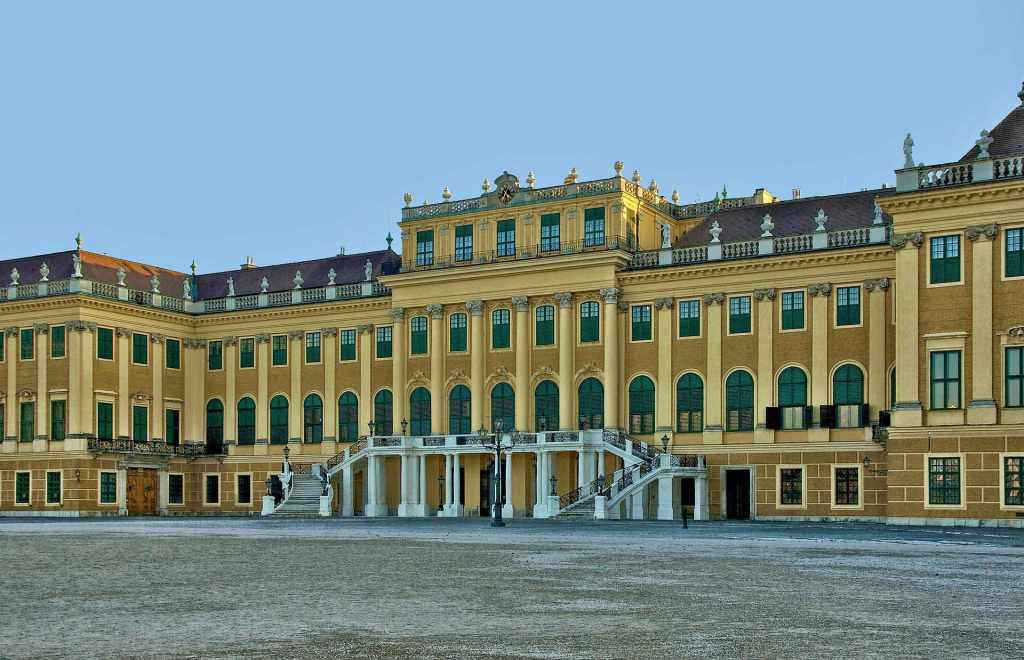
This is a palace complex of fairy-tale beauty, where you'll want to come back again and again. The 18th-century buildings are both Baroque. Tourists can see paintings, frescoes, and sculptures in the imperial family chambers. In Vienna, the garden is especially popular, not just with visitors, but also with locals. There were no alpine gardens in Europe before then. This one was built in the 19th century. They have more than 4000 different kinds of plants now.
Their styles are very different – Gothic and Baroque. Do not pass by the humble churches – true treasures await you inside.
Vienna's main attraction, an archbishop of the Catholic faith lives here. Consecrated in the 12th century. The Gothic style is beautiful. After the Second World War, it had to be rebuilt. There are a lot of good works of art in the cathedral, as well as a lot of altars and a bunch of glazed tiles on the roof.
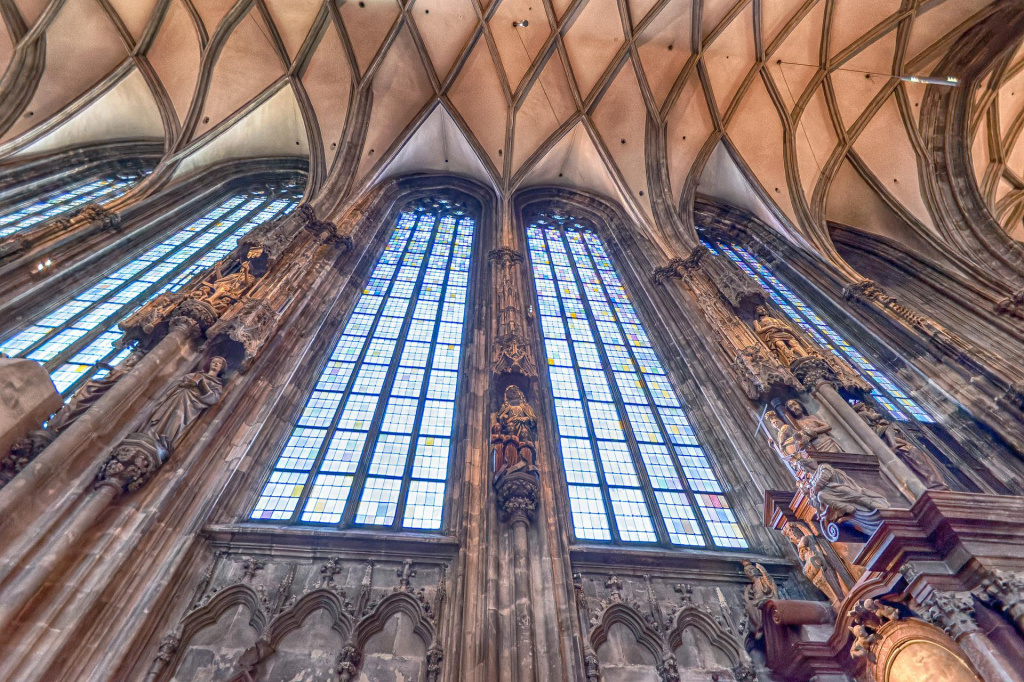
Located in the center of Vienna, this old building was built in the 18th century. It's built in baroque style. It has services every day. Churchgoers come to admire the architecture, unique frescoes, and other artwork. It's got one of the country's best organs. There are concerts almost every day.
In the second half of the 19th century, the Votivekirche was built. In this case, the occasion was the miraculous rescue of Emperor Franz Joseph I from an assassination attempt. Funds were raised through subscriptions. With two towers reaching a height of nearly 100 meters, the church is built in Gothic style. The construction took 23 years. It features a beautifully carved altar from the 15th century.
Vienna's calling card. It was built in thanks to St. Charles for saving the country from the plague in the early 18th century. The disease had ravaged Europe before and killed many people. The construction was not only funded by Austria, but also by other countries. It took a little over 20 years to construct the huge building. It has an interesting design, combining elements of eastern and western architecture.
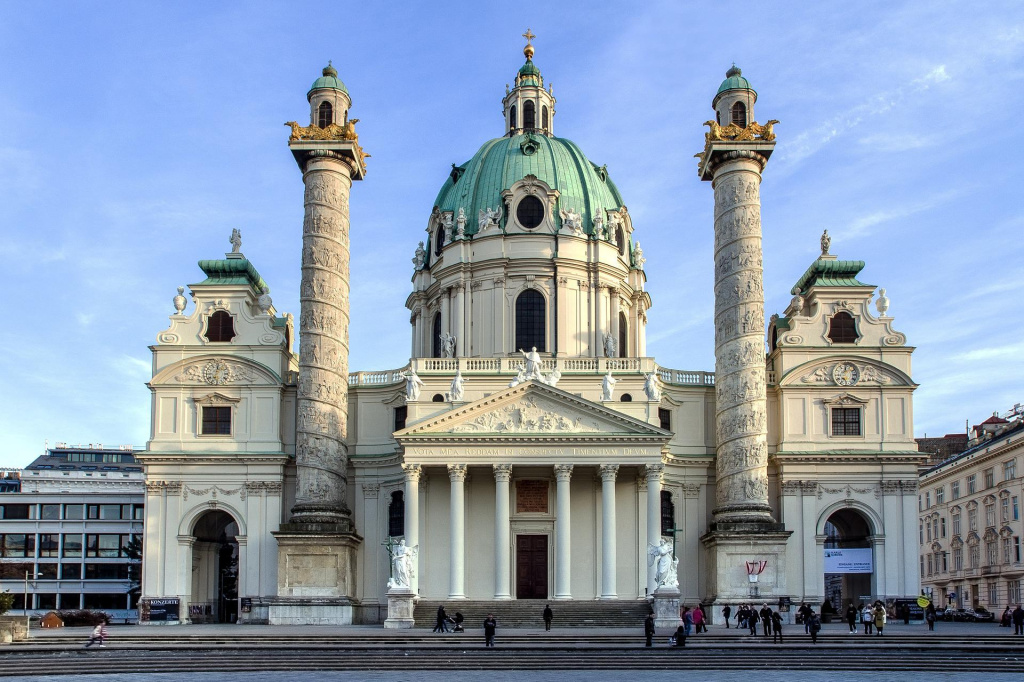
The church was built in the first half of the 17th century and was used as a university church for a long time. People like how modest it looks. But there's a lot of stuff inside. It's one of Vienna's most beautiful decorations. Many baroque features were added to the church after it was reconstructed in the 18th century. The paintings on the ceiling are one of the church's main treasures.
Austrians honor those who worked, created, and fought on this land. The monuments are revered as works of art.
In the liberation of Vienna from the Nazis, many Soviet soldiers died. There's a monument to liberators where the borders of the occupation zones meet. A soldier holds the country's coat of arms and a banner in one hand. On top of the names of the liberators are poems, lines from the Soviet anthem, and a quote from Stalin. It's next to a fountain that has a colored backlight in the evenings.
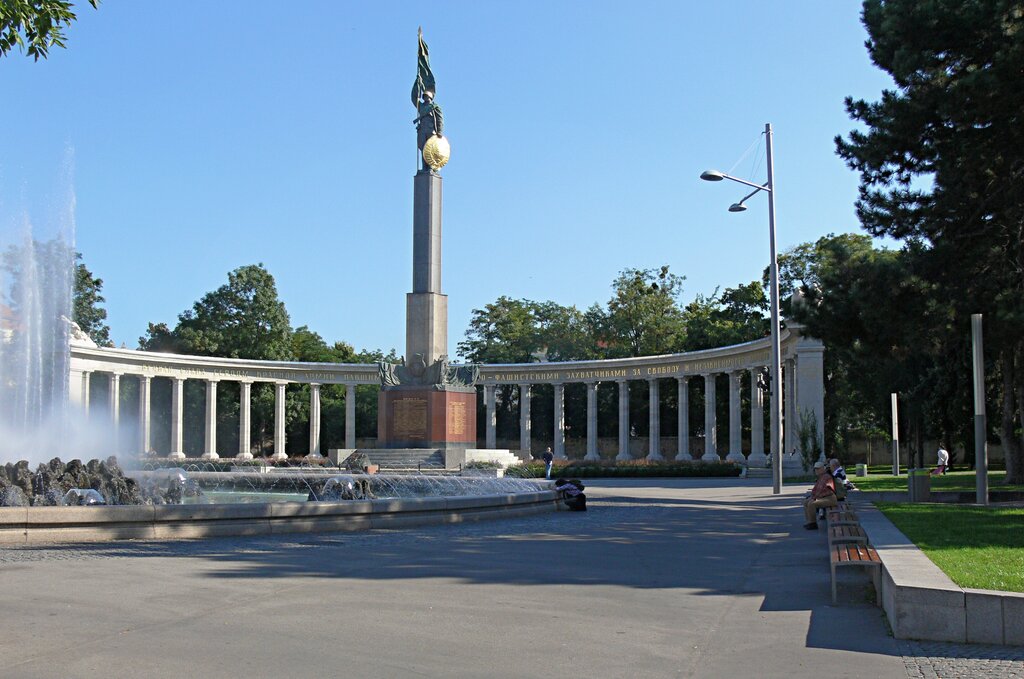
Photo: yandex.ru
Most Vienna tours start with an inspection of this monument. Many thousands of people died from the plague, and the Plague Column was erected to commemorate its end. When you look at it from a distance, it looks great. As soon as visitors approach, they are imbued with grief, remembering human suffering. There's a column dedicated to the Holy Trinity. You can also see Leopold I praying for the sick. Found in the 17th century.
He moved to Vienna when he was 25. The monument was built in the late 19th century, 77 years after Mozart died. It's marble in a baroque style. Mozart stands in a natural pose, listening to music. Cupids are frozen at the feet.
Those entrancing Viennese waltzes… Many composers and artists have been inspired by the Austrian capital. There are concerts and plays, too.
The opera house in Vienna, where the best composers lived and worked, was also supposed to exist. In 1869, the building was built. Here, the stars of world art perform on a stage with excellent acoustics. The theater had to be completely renovated after World War II. Today there are more than 1,300 seats, and librettos are shown on screens at the back of the seats.
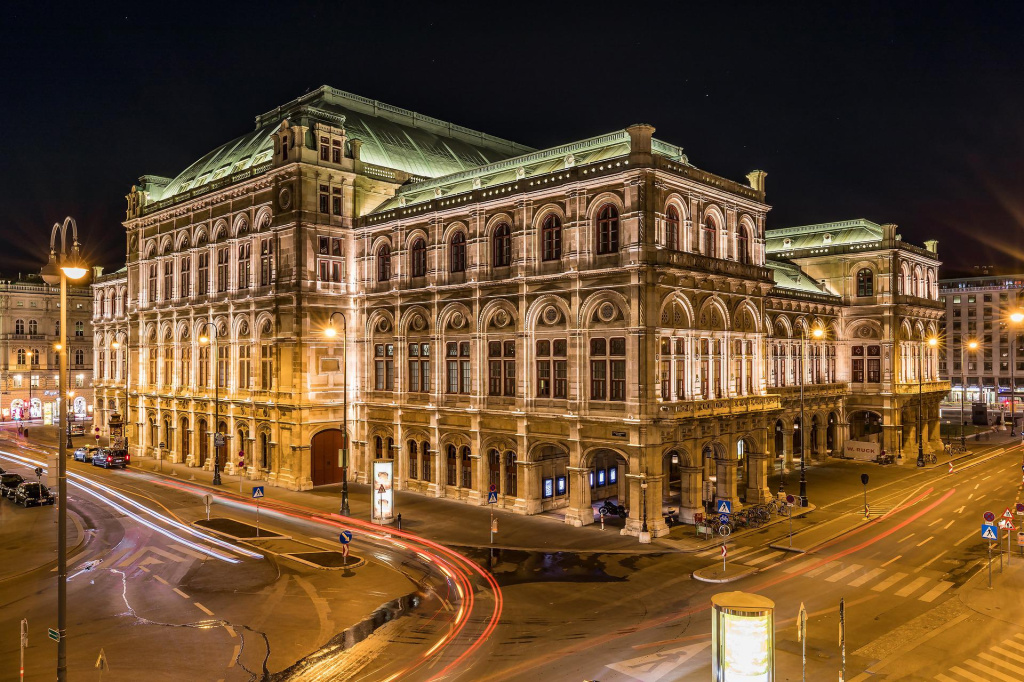
This apartment was home to the great musician for three years. The other apartments he rented in Vienna haven't been preserved. Here, too, you can see living rooms, two studies, and a kitchen. Mozart wrote lots of famous stuff in this apartment, including The Marriage of Figaro. After the reconstruction in 2006, a museum was opened. It's also picturesque and atmospheric, and you can meet friends and patrons of the composer in absentia.
Austria's most famous music hall. It was built in the late 19th century. It's gorgeous, designed in the style of the Italian Renaissance. Throughout the year, there's a lot going on in the four halls. Classical music is especially popular with the orchestra «Old Vienna». Weddings and balls are also held here. Several composers composed music in Vienna, so it is worth a visit to listen to the beautiful music.
They're so many you won't be able to see them all. Here are some of the best.
The museum is one of the biggest in the country, its exhibits have been collected for decades. This work was done even by members of the Habsburg dynasty. After a while, it became clear that a special building was needed. The building was finished in 1902. Today, 39 rooms house millions of exhibits. Minerals and gemstones can be seen, including meteorites. Bird skeletons and stuffed animals are also on display. It's best to pay attention to topaz, which weighs more than a centimeter.
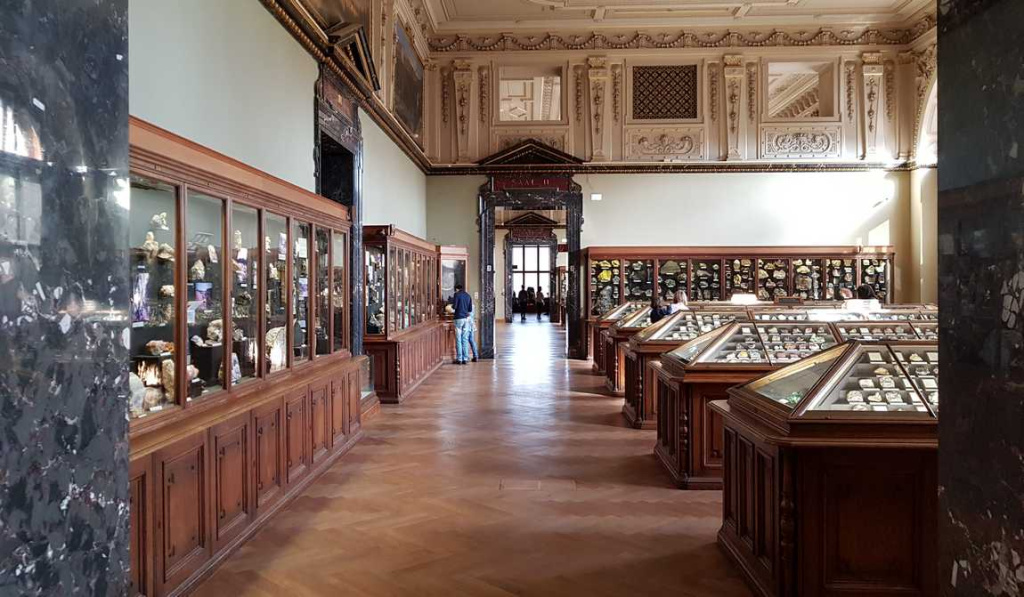
Photo: kidpassage.com
There are always tourists there, because it's the biggest museum in the world. So take your time and look around. It was opened in the late 19th century and has 91 rooms. You'll see treasures from Egypt and other Eastern countries. An extensive picture gallery occupies the second floor. Rembrandt and Raphael are among the other works. The Kunstkammer contains luxury objects. Check out the coin collection, too.
It's a popular art museum. Originally it was a collection of graphic drawings. Duke Albert bought it to house his growing collection. In 1822 it opened. For the first time, only a small group of people could go there. Since the exhibits could not be sold, their number grew over the years. It's one of the most visited cultural centers in the country. You'll find artist's works and photo collections. There are also painting exhibitions.
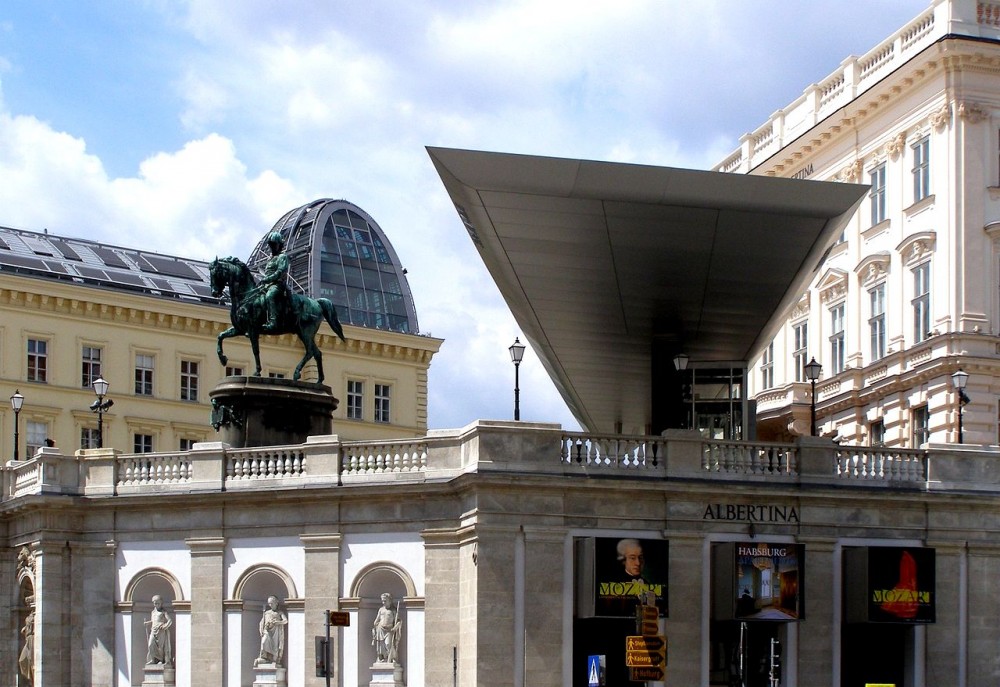
Photo: venagid.ru
Stables were built here originally. The building was converted after World War I. Now, it's the Exhibition Pavilion, and exhibitions are held here. It's been under construction for years. Natural stone was used to build new museums. Both kids and adults will enjoy exploring the collections. Definitely check out the Museum of Modern Art and Leopold Museum. There are also regular events like literary and music festivals and concerts.
The apartment where Sigmund Freud's family lived for over 50 years. A fascist regime in Austria forced the scientist and his family to move to London in 1938. The family's living quarters, Freud's study, and the reception room where visitors waited are open to the public. In the building there's a library with books on psychoanalysis.
It cannot be found anywhere else. Vienna has an amazing architecture.
Once you see this building, you'll never forget it. The architect named it after himself. Every apartment has a different color, and there are more than fifty of them. There are trees on the roof and inside some apartments and part of the living space extends beyond the general house boundaries. The building looks like a toy house, so it will please kids and adults alike. It was completed in 1985.
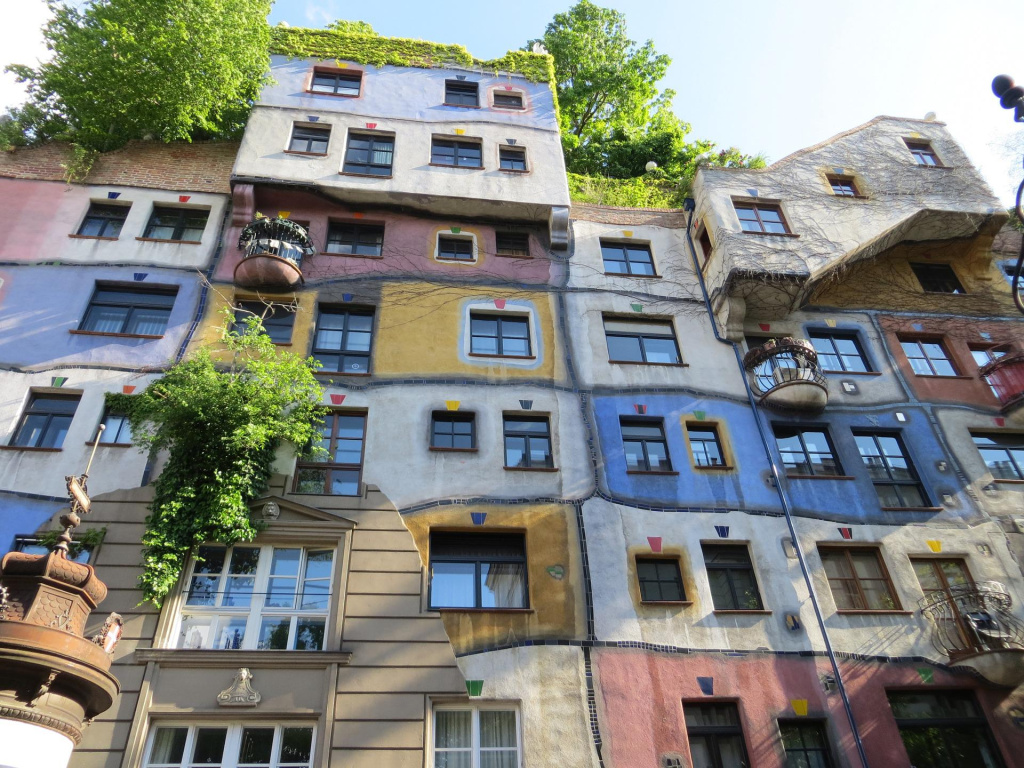
A modernist exhibition hall that opened in Vienna. These talented people lived by the motto: «Art in freedom». In the late 19th century, the Modernists left the House of Artists and built their own building, which now has a gilded dome. After WWII, the Secession was restored. It holds regular exhibitions now.
Originally, it was a mass grave, where the poor were buried. Until the middle of the 19th century, nobility and other nobles began to bury here. After 1937, tourists started coming here. Mozart died here in 1791. Johann Strauss and other famous artists are also buried here.
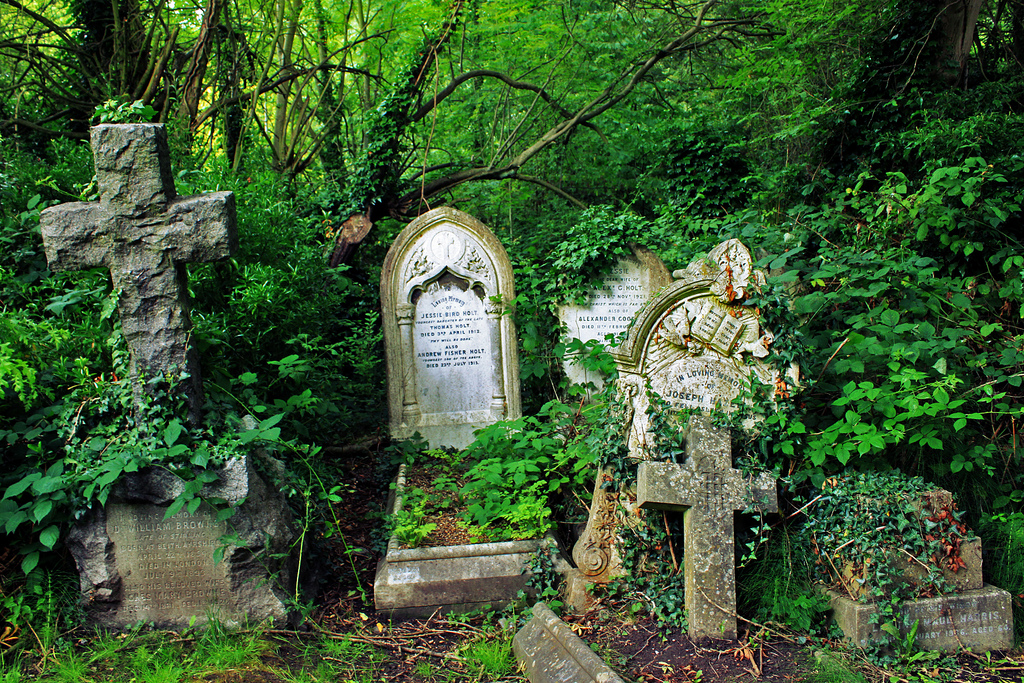
Photo: about-planet.ru
Tourists like it a lot. The tower and park were built in 1964. That was when the International Horticultural Exhibition opened. Visitors can go up to the observation deck, which is 252 m high. It's easier to take the elevator if you don't want to climb the stairs.
Skyscraper with a height of 171 m. It was completed at the beginning of the third millennium. 51 floors. Visitors will like the shopping center, restaurants, and movie theater. Well-known companies have offices in the tower too.
There's a lot to do in the Austrian capital for kids.
It is Vienna's favorite vacation spot since it has a huge park. It was used for hunting and belonged to the imperial family during the Middle Ages. Its name derives from the word «meadow». Adults are drawn to the fairgrounds now, as well as the sports fields and the race track. Kids will love the rides. The miniature railroad, carousel, and Ferris wheel are the most popular rides.
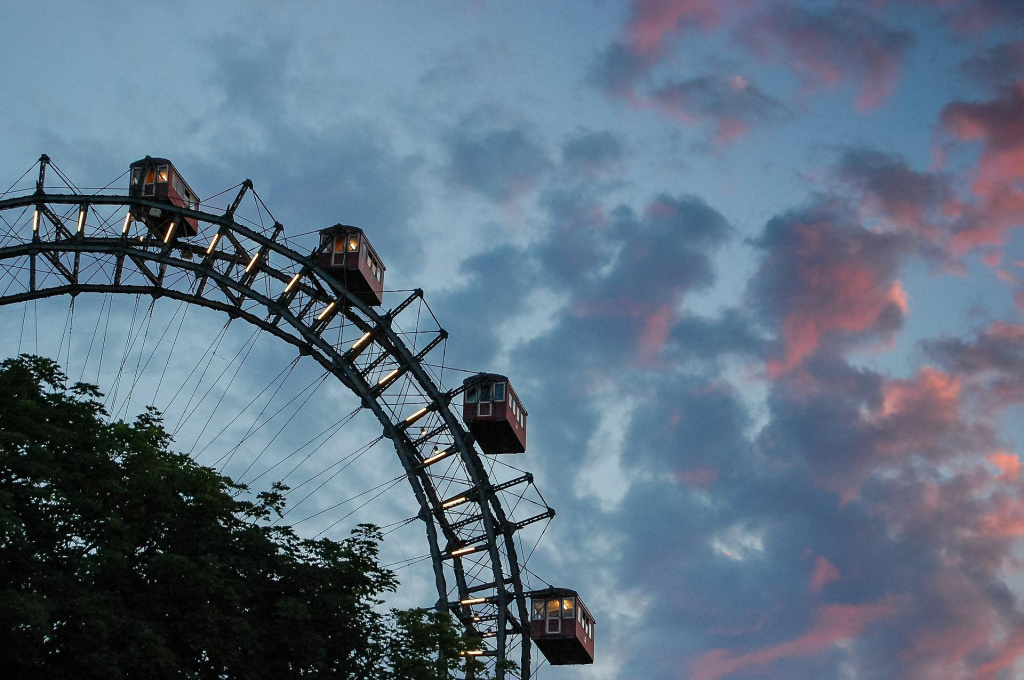
It's the oldest zoo on the planet. There are hundreds of animals there. Everything is in great shape. Since it opened in the second half of the 18th century, some of the Baroque features are still there. Children will enjoy interacting with friendly animals and viewing the aquarium.
It's in the middle of the historical center of Stadtpark, which is really nice. The park was designed in the second half of the 19th century. It has a pond, flowerbeds, and lots of sculptures. You can get to the playground across the iron bridge.
It's impossible to leave Vienna without tasting its traditional delicacies, right? Where do you go first?
It was first baked in 1832 and named after a pastry chef. The recipe was later perfected by Franz Sacher's son. When Eduard worked at the Demel Café, Austrians came here especially to try the treat and drink strong coffee. The best version of the cake can be found today in the restaurants Anna Zacher and Café Zacher, as well as in Café Demel.
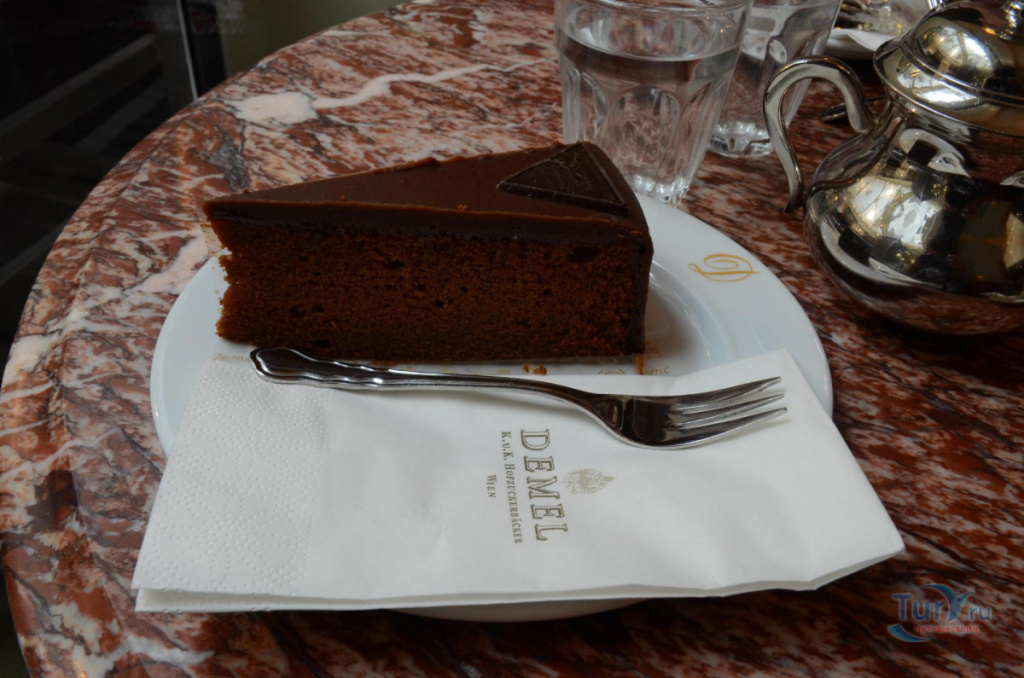
Photo: tury.ru
An old café from the end of the 19th century. Vienna's elite gathered here. Leo Trotsky liked to come here. It moved into new premises in the second half of the 20th century, then underwent expensive renovations. A beautiful interior, live music, delicious pastries, and coffee – that's what draws people in.
Austrian apple strudel has become a culinary symbol. You'll learn how to make it. Come to the cafe «Residenz». Each hour there's a theme show. You can get the basics in less than an hour and a half. In addition to the program, the ticket price includes a sweet treat – strudel and coffee. You'll get the recipe, too.
That's Vienna, the beautiful capital of Austria. You're gonna wanna come back here in the small group tours after seeing its main attractions. There's always something new to see in Vienna.