$ (USD)
English


Anyone who has tried to learn English knows that London is «the capital of Great Britain». In the first century AD, the Romans lived on the land of modern London. By the end of the century, London had become Britain's capital. It's been a long time since then. The city has fallen into decline and grown again, was badly damaged during WWII and rebuilt.
Historical monuments, amusement parks, majestic museums, noisy pubs – London welcomes tourists of all ages, nationalities, and religions, and everyone finds something different there.
#RELEVANT_TOURS#London's oldest building is this icon. The construction of Big Ben was done by the entire nation: materials were brought in from different parts of the country. Interesting thing is, this tower was built in an unusual way for the mid XIX century: from the inside out.
At that time, buildings were built the other way around: from the outside in. It was a challenge for the craftsmen to put clocks in. They invented a mechanism that is still used by clockmakers today after a lot of struggle to fit it into the building.
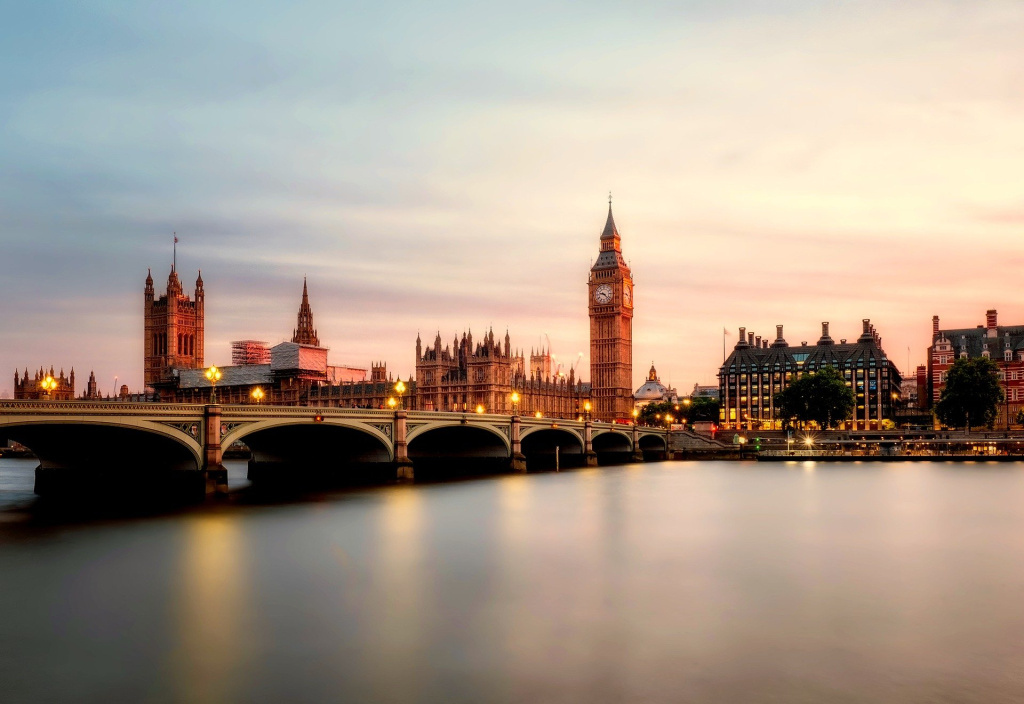
There's a suspension bridge near the Tower Bridge that dates from the 19th century. The drawbridge is designed so that pedestrians can cross both sides even when it's open.
There's a museum on the Tower Bridge, so you can see how it was built. You can also check out the engine room. The steam engines that brought parts of the bridge will interest both kids and adults.
You can devote several days to a visit to the British Museum. One of the largest museums in the world, it's the center of historical and archaeological activity in Britain. Museum has permanent and temporary exhibits, with stuff from all over the world from different centuries.
Additionally, «Nights at the Museum» are held four times a year in the main building, aimed primarily at children. The visitors stay all night, playing games and learning about history.
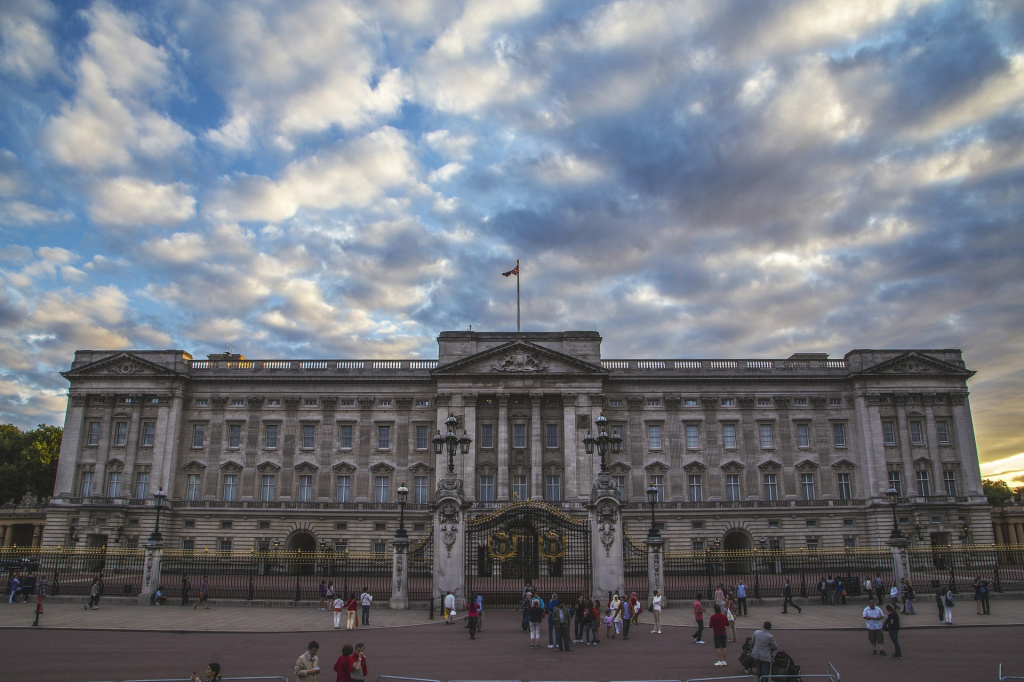
The palace was built in the early 18th century and belonged to the Duke of Buckingham. It used to be considered the most beautiful building in the city when it was first built.
The palace was bought by the king a little less than a century later, so he rearranged it as his home. There were three more exactly like it added to the main building, and then the royal family moved in. The country was now ruled by Queen Victoria.
Another iconic symbol of the city. The ferris wheel is 135 meters high. You can see the whole city from there – like it's in your hand. In clear weather, you can see about 40 kilometers around an attraction with such visibility. The wheel got its name from this feature.
«The Shard» is the name of the skyscraper. It's London's highest observation deck. Tourists line up to see the city from almost 250 meters above ground. Skyscrapers aren't as old as the sights around them. Summer Olympics in London coincided with the building's completion in 2012.
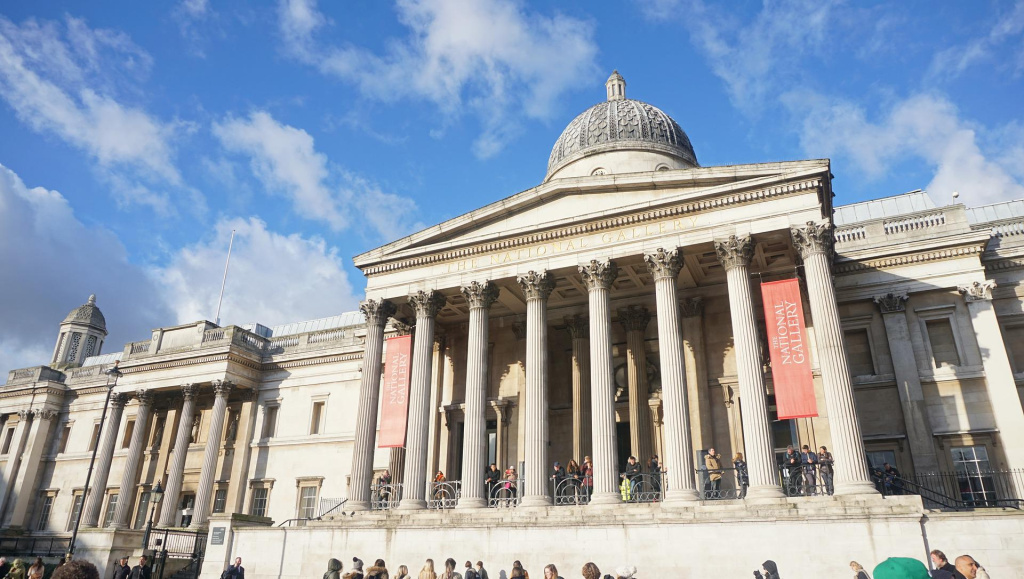
In the early 19th century, Angerstein's works became the foundation for the National Gallery. Since then, the gallery has changed buildings a few times. Trafalgar Square's current one was just finished in 1838.
Now the National Gallery has one of the biggest art collections in the world. Numerous sponsors continue to add works from different epochs and genres to the collection. You can't see all the stuff in one day.
There are many legends surrounding William the Conqueror's fortress in London. King Richard the Lionheart finished the fortress behind him. At that time the Tower, which translates to Russian as «tower,» was an important strategic point.
One of the most interesting things is that the Towers have survived almost intact because the fortress has never suffered large-scale destruction during its history.
There are a lot of attractions in Trafalgar Square. Trafalgar Square is the place where all the city's main streets meet, so it's often called «the heart of London» or «kilometer zero».
A square area was planned on the site of the royal stables, whose side would reach 165 meters. It's usually crowded with tourists during the day. Most sightseeing tours include this point.
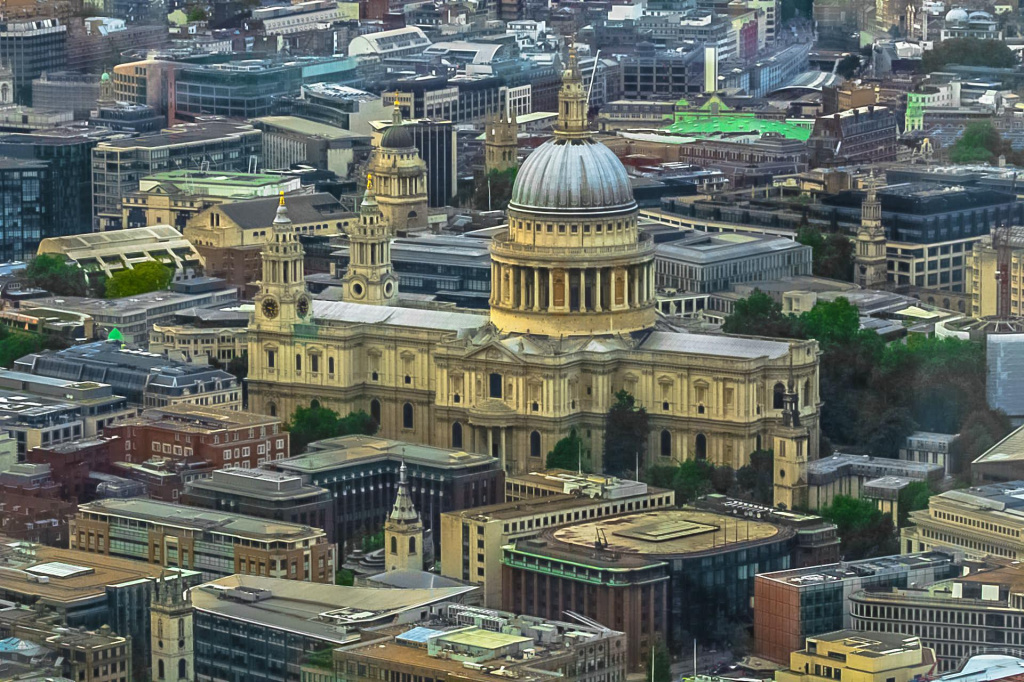
Throughout the capital's history, many solemn ceremonies have taken place in the cathedral. In addition to being the site of two royal weddings, the anniversaries of Queen Victoria and Queen Elizabeth II were celebrated here, and Winston Churchill's funeral was also held here.
There are more than four services a day in the cathedral, and on Sunday tourists can't come in. There are a lot of people attending services on Sundays, and the cathedral can't hold everyone.
When Westminster Abbey was just beginning to take shape, the residence was being built during the early Middle Ages. The oldest part of the foundation dates back to the 14th century, according to researchers. By the 16th century, the palace had become a parliament.
The building has survived several fires and reconstructions since then. Nowadays it gets reconstructed every few years, so make sure to check in advance what parts of the palace are open to visitors before you go.
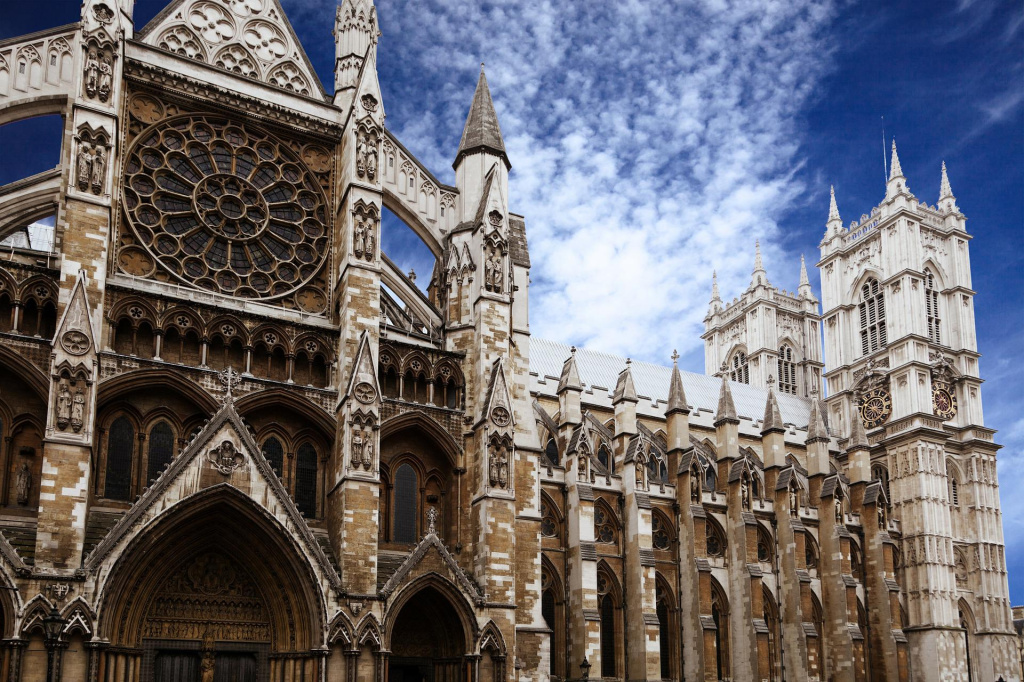
There has been a royal coronation or burial ceremony at Westminster Abbey almost every time. St. Peter's Church is the abbey, and construction started in the mid-13th century and took until the mid-18th century to finish. Interesting, the first mentions of this particular church date back to the 5th century. Westminster Abbey is part of the UNESCO World Heritage List.
Victoria and Albert Museum is one of the largest design museums in the world. South Kensington is home to a complex of arts and crafts museums. It's impossible to see everything in one day! There are over 140 rooms filled with exhibits.
Bunker culture fans flock here from all over. Chirchill's office was a very real military bunker and it served its purpose when London was bombed. When the World War had not yet started, the bunker was being built.
It's interesting that the project was completed exactly 5 days before the Nazis invaded Poland. Until recently, some rooms were closed. They're now all open to the public.
Tate Britain and Tate Modern are two art galleries that are typically combined into one tour. The former has period paintings from the 16th century, including some that date back to the Tudor era. The Tate Modern Gallery has period pieces as well as modern masters.
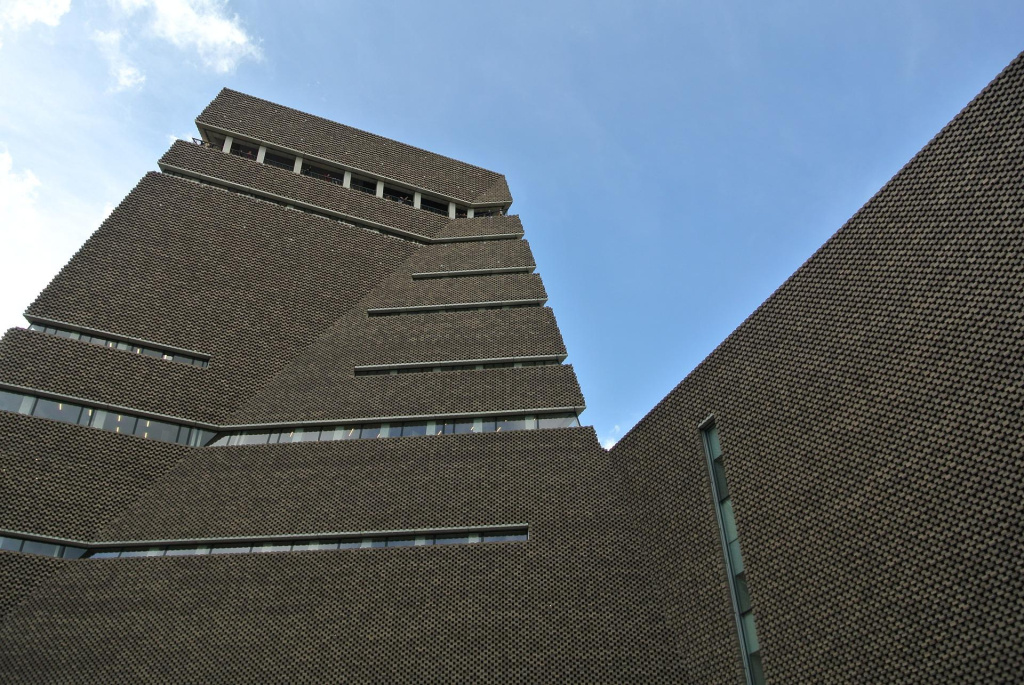
London's Hyde Park is the fourth-largest royal park. More than 140 acres of space has become a favorite place for rallies and speeches. Furthermore, «Speakers' Corner» was set aside specifically for rallying groups. Hyde Park has a cozy, calming atmosphere. It's a favorite vacation spot for tourists and locals alike.
This neighborhood in Covent Garden is known for its ability to draw you in at a moment's notice. The heart of the neighborhood is filled with hip shops, cafes, and museums. Just a short walk away you'll find yourself in small, quiet, and intimate streets that stand in stark contrast to Covent Garden's busy streets.
Middle Ages were when the neighborhood started taking shape. The area used to be home to Westminster Abbey's gardens, which eventually became a wasteland. It wasn't long before the wasteland was occupied by people from the poorest classes of society. It's now one of London's most popular neighborhoods.
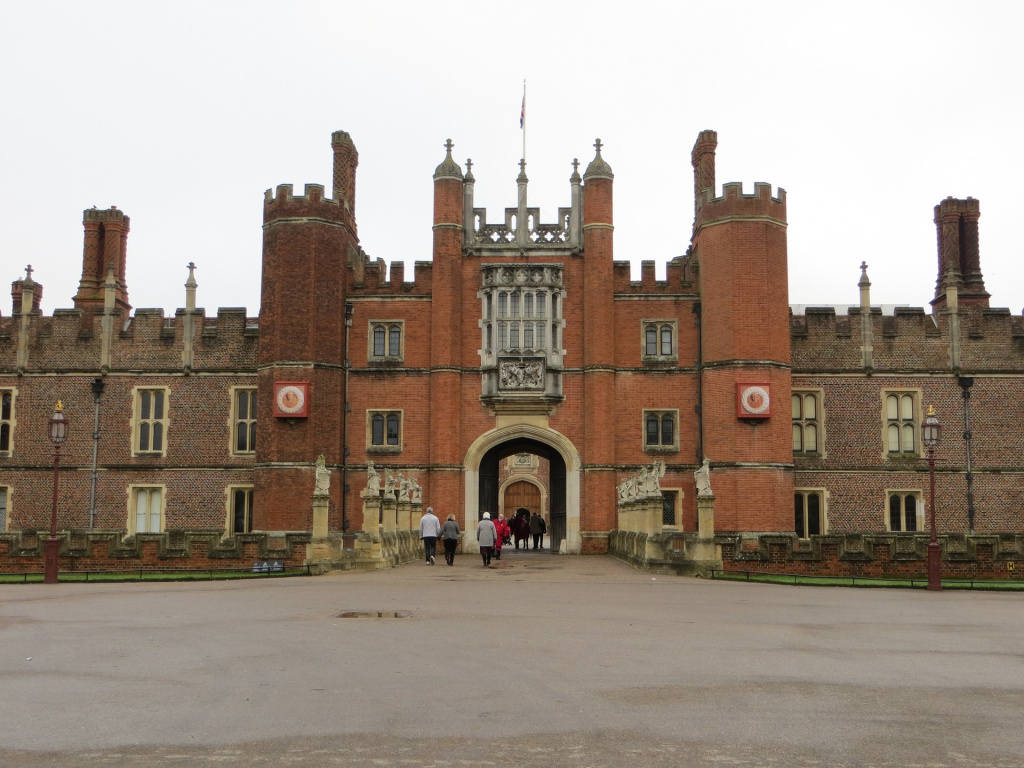
Hampton Court sits right on the edge of London's majestic skyline. The palace was the country residence of the royal family from its completion in the 16th century until the 18th century.
On the palace's grounds every year is a historical festival, where you can watch real knights' tournaments, as well as a festival of landscape design. Tourists love the atmosphere in the palace: all the staff wear costume based on Tudor era costumes, and some exhibits are touching-friendly.
Royal Botanical Gardens is a cozy park with 130 hectares. This park is a UNESCO World Heritage Site. Plants from all over the world are on the grounds of the gardens. The number of species is estimated to be around 30,000.
The gardens look great at first glance. They highlight the beauty of the plants with carved light panels and partitions. It's a nice place to walk for hours, soaking in the fresh air and the amazing colors of the flowers.
Soho is a vibrant neighborhood in the heart of London. There's always something going on. Soho has a small Chinatown that's really popular with tourists. There are authentic cafes, authentic food, and authentic souvenir shops.
Nightclubs, cinemas, restaurants, and pubs abound in Soho. They're crowded day and night. The whole area is a pedestrian zone, so there are no cars. You can catch street theater and musicians all over Soho.
Oxford Street is rightfully called a shopping street. Boutiques, stores, luxury salons for every taste and budget. Aside from the stores, the street has a bunch of cafes where you can relax after a shopping spree.
Oxford Street is famous for its green spaces, where residents can go to relax and meditate. They have themed events and great deals for every holiday.
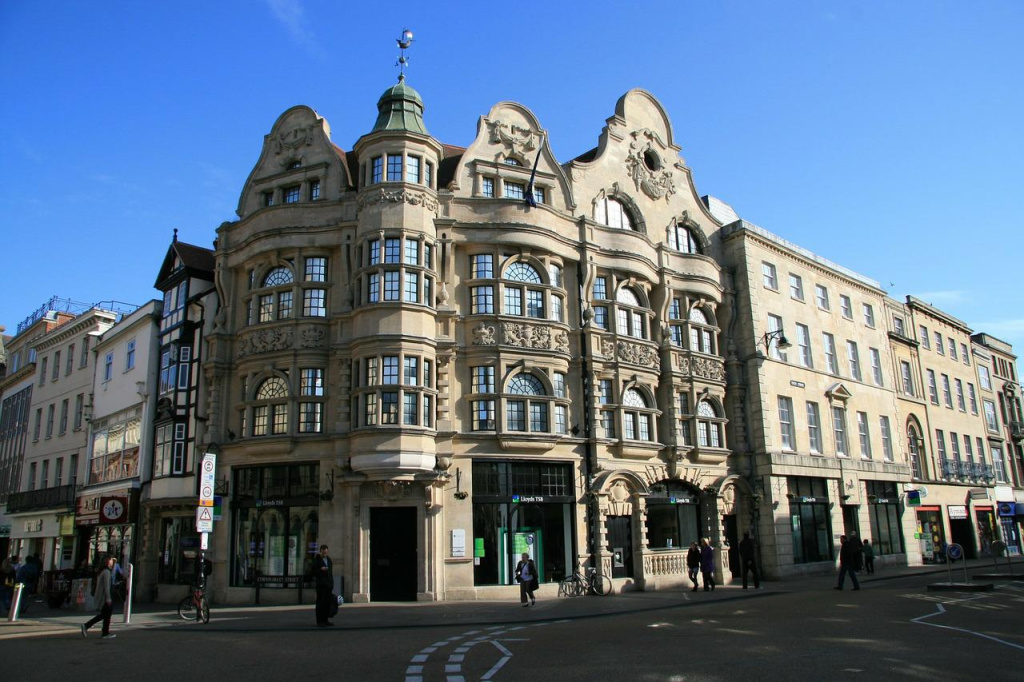
It's hard not to stare at the luxury building of the department store. Popular with the wealthy, it's one of the most fashionable places in the city. It's a favorite destination for celebrities like Elton John and Madonna.
There's still a department store there. On top of that, it works as a museum and can be visited by anyone who wants to know more about this place.
This museum is great if you're interested in British transport history. In the London Transport Museum you can see an omnibus from the Sherlock Holmes era and the world's first subway train. Mostly, the exhibition is about the history of transport in London.
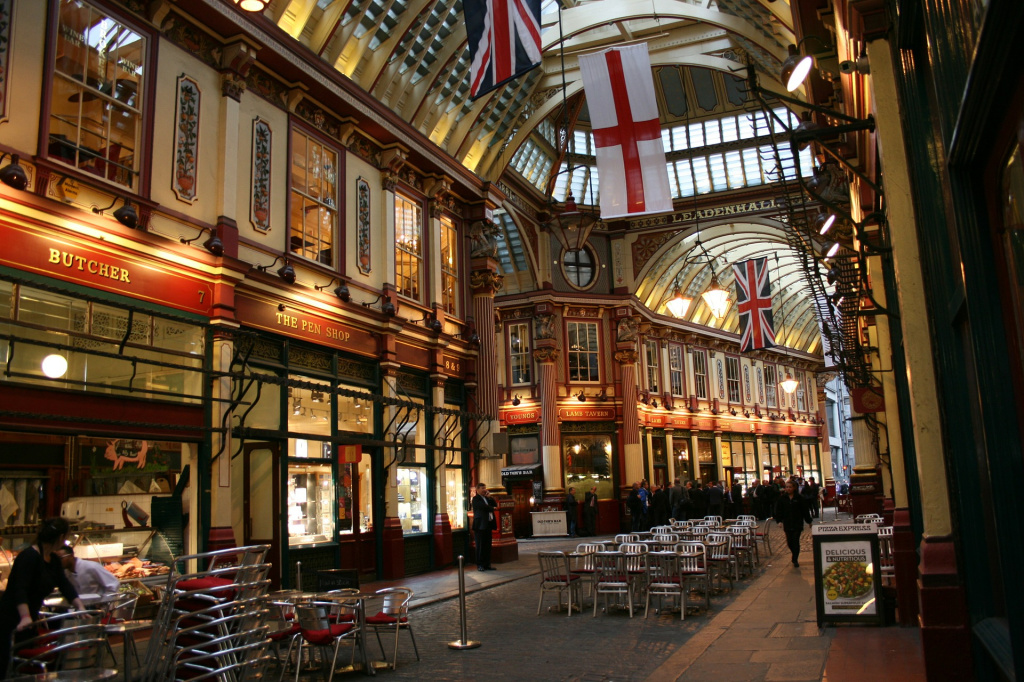
In central London, there's a whole other world at Leadenhall Market. It's part of a Harry Potter tour. Cobblestone streets and Victorian buildings create a magical atmosphere. The market now combines the functions of a shopping center and a restaurant complex. You can walk around here all day and not see all the stores.
This palace building dates back to the early 17th century. Originally it was a residence called Nottingham House. After that, it was bought by the royal family. Since then, many more buildings have been added.
Before moving to Buckingham Palace, the British kings lived here. During the tour, you'll learn how the palace was built and the stories that unfolded inside its walls.
The franchise that has taken over the world is British. It's no surprise that many of the architecture features in the magical world were copied from London.
The museum, dedicated to the world of Joan Rowling, quickly became very popular. There's magic everywhere at the museum, with a huge number of interactive exhibits. There's something for everyone here.
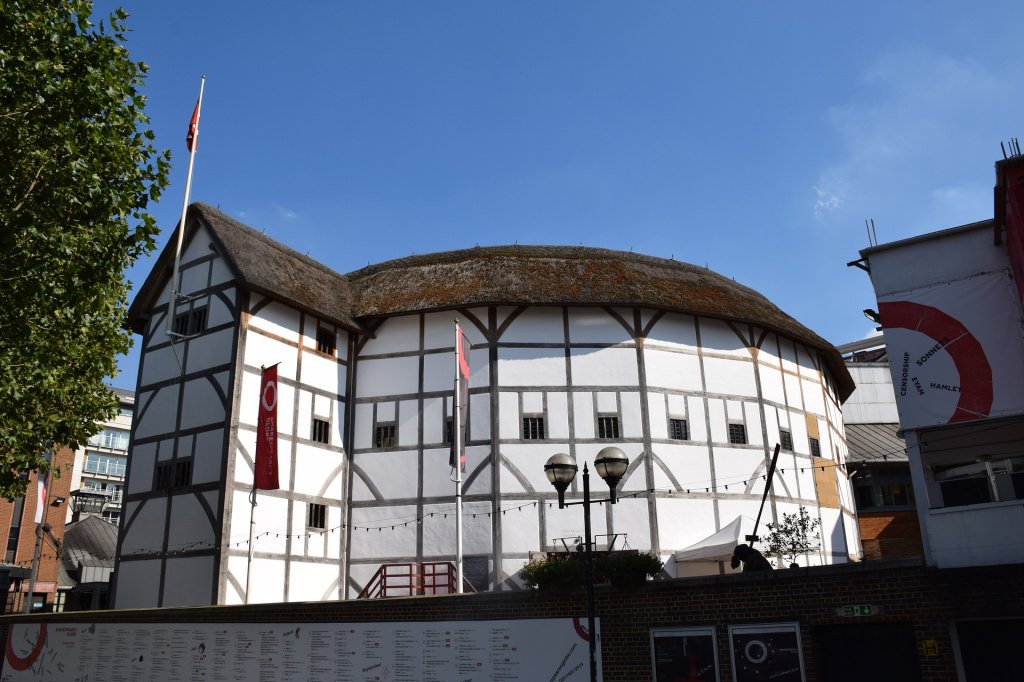
The theater was built at the request of one of the most mysterious figures in British history. Today's Globe is a replica of a theater that burned down in the early 17th century. This is an exact copy, built from documents that have survived since the first theater was built.
The observatory is located on the zero meridian, which divides the world into two halves. There are lecture halls on the grounds. It also has exhibits on different topics.
You can feel the time here just by looking at old columns, ivy-covered columns and Gothic tombs. Many mystics and filmmakers come to Highgate Cemetery to wander the graveyard in search of inspiration.
A huge concert venue that also hosts sporting events – one of the biggest in Britain. Various world championships have been held there. Wembley Stadium hosted concerts by the Beatles and Pink Floyd. Until this day, crowds of spectators gather here to take in the long-awaited event.