$ (USD)
English


It's said that the Roman Empire was the cradle of civilization. Travelers go to Italy for the sights of the country – monuments, palaces, cathedrals, and delicious food. Even today, this ancient European state fascinates with its Renaissance temples and other interesting objects, many of which are UNESCO World Heritage Sites.
Tourists can choose what to visit first while on tours of Italy by using a large number of sightseeing programs.
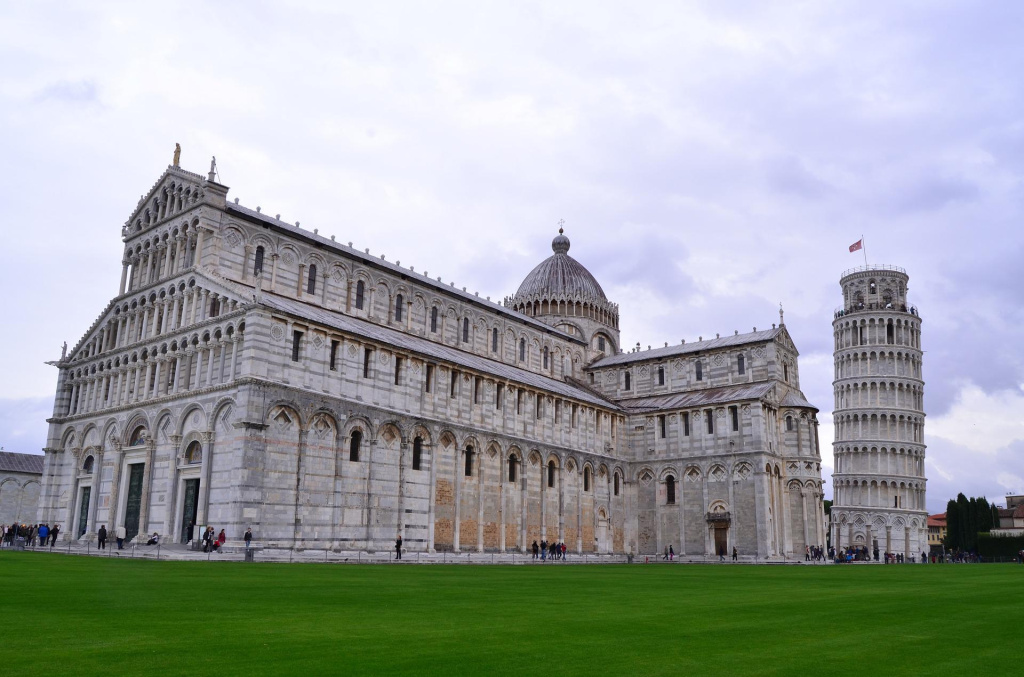
Visiting the Leaning Tower of Pisa is an essential part of any trip to Italy. The structure took 177 years to build. From the historical manuscripts, the architects noticed the Tower of Pisa tilting in 1173. Construction of the architectural miracle was delayed for 100 years because it fell from the wrong foundations.
A side of the floor got bigger when the builders of the new century resumed the construction to reduce the slope. The construction of the site was completed in the XIV century. Countless restorations stopped the slope. At the moment, everyone can climb the 296 steps and wonder how it's possible to reach the top, which is inclined by 5 meters from the vertical line.
The Roman Colosseum is the largest amphitheater of antiquity and the most famous structure on the planet. Emperor Vespasian started construction on the amphitheater in 72 AD. It took the ruler's son eight years to finish the unusual and amazing structure with a capacity of 50,000 people. The velarium, a kind of tent that hung along the edge of the walls, protected the bloody spectacle guests from the cold, sun, and rain.
The arena soaked up Christian blood for 300 years, mauled by predatory animals, gladiators, whom the spectators may have spared if they were lucky. Colosseum's former glory was destroyed by the fall of the Roman Empire, but it couldn't take away its beauty.
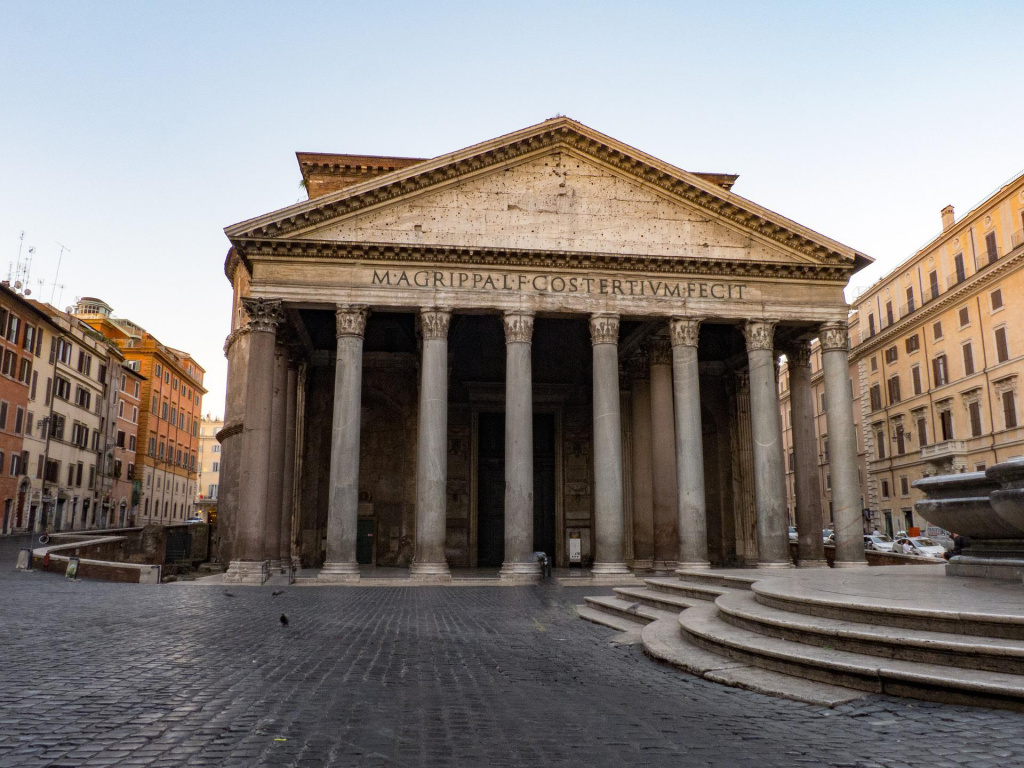
Unique in its architecture, the Pantheon temple was built by the Romans to worship their gods. More than once, the great structure was tested by natural disasters, but it always survived. Visitors have been astonished by its 2,000 years of beauty, its columns, and its dome with a round hole – it's the heavenly all-seeing eye. When the sun shines through it, it doesn't scatter the light.
Over time, the light forms a column, and it touches the statues in turn, as if to emphasize its special taste. People come to see the beautiful statues, frescoes, murals, and majesty of the breath of eternity at the temple. It's hard to imagine that the interior decoration of the Pantheon was made by human hands rather than the gods for whom the temple was built.
It's no secret that the Italians think the Forum Romanum is the heart of the Eternal City. Even though Rome had marshes instead of a forum when it was founded. Architects drained it, built up temples and houses. There was a market square where the Romans and Sabineans, two irreconcilable enemies, traded. It turned into a place where public affairs were decided, justice was administered, and religious ceremonies were held.
To make it more convenient for gatherings, it was cleared of merchants' rows and built up with temples and basilicas. Ancient temples had been turned into ruins by the passage of time. Buildings and basilicas were destroyed because of the columns. We can only imagine what the temple of Vesta or Saturn looked like.
The ashes of Romulus, the founding father of Rome, are under the Black Stone. They're restoring ancient temples, arches, and basilicas. There's something mysterious about the historic site, the secrets of antiquity. Often you can see wedding procession passing by the Arch of Triumph, newlyweds believe it will strengthen family ties.
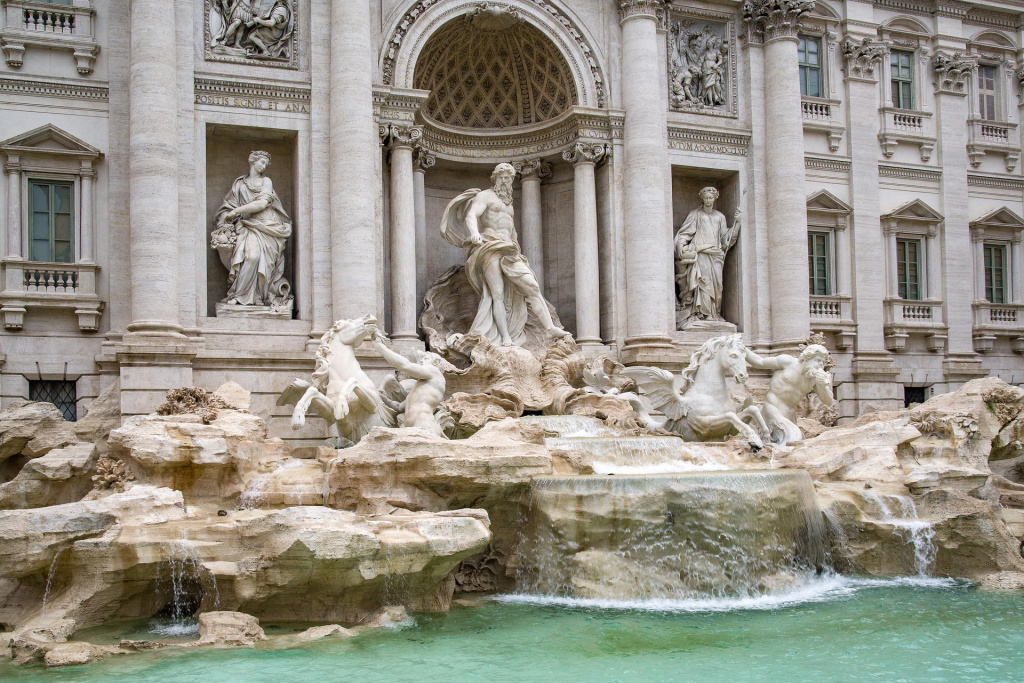
Together with the builders of Rome, the ancient architects built the Baroque Trevi Fountain next to the Palazzo Poli. The temple of the Pantheon gods is older than this, according to tradition. Augustus ordered Rome redeveloped and a water supply created in the 1st century BC. The Aqua Virgo aqueduct was built. 1447 was the year they drew the Trevi Fountain, and it wasn't completed until 1762. It's still filled from an ancient source.
Tourists from all over come here to admire the architecture. A majestic Neptune watches over the fight of underwater fantastic creatures in the center of the fountain. Over a million euros a year are fished from the bottom of the fountain from the bottom of the reservoir where coins lay strewn.
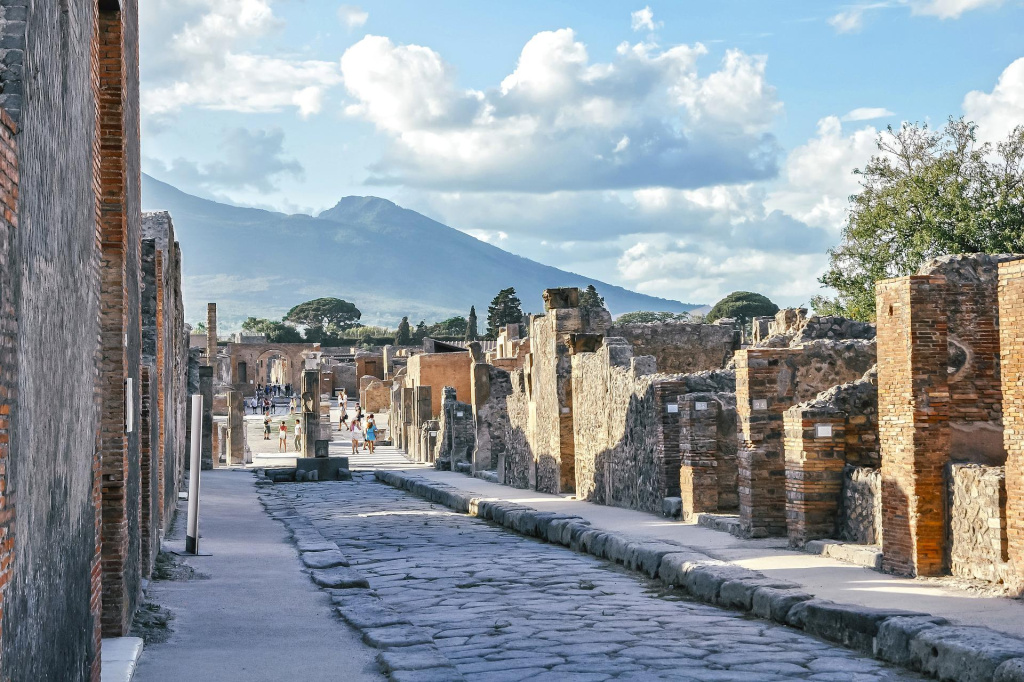
Volcano Vesuvius played a prominent role in the demise of Pompeii, a mysterious city in Italy, specifically Naples. He's the only volcano still active in Europe. Located near the Gulf of Mexico, it's known for its frequent eruptions, which caused deaths and large-scale damage.
When the volcano «sleeps», brave travelers climb to its peak to see the soaring crater and the breathtaking scenery. Walking and trekking to the top of the volcano with a visit to Pompeii are organized by licensed guides.
Pompeii died from ancient history, a painting by Karl Bryullov shows the last day of the citizens and ancient structures. Archaeologists excavated the site in the 18th century after Vesuvius covered it in lava in 79 AD. Most of the structures survived. The Temple of Apollo, as well as the theater and the stadium, can be enjoyed by participants of the expeditions.
Ancient baths and pottery workshops in excavated houses. Watch the frozen bodies of people, strange monuments immortalized by the volcano. You'll be guided through the cleared out sites and told all about the history and the authenticity of an ancient city buried by ash.
Grotta Azzurra is a unique cave on Capri. Nature has created lighting in the Blue Grotto. When the sun hits the water, it turns silver, and the surface of the reservoir shimmers with deep shades of sapphire, pink, purple, and orange. Minerals make it look so magical. The reservoir's bottom is covered in rocks, meteorites and geological processes.
From the sea, light enters through two inlets. You can only pass through one if you're a small boat. The second is a little bigger, but it can pass a rowboat with 4 people. Grutto is only about 50 meters long, but that doesn't stop crowds of tourists from waiting for hours and hours to see this natural wonder.
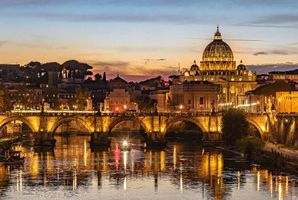
Venice is where St. Mark's Basilica is. It's built in Byzantine style. The relics of the apostle Mark were buried in the cathedral. During the Muslim invasion of Alexandria, the merchants took the ashes in a cartload of pork carcasses, so that they wouldn't be desecrated. When they looked at it, Islamists couldn't touch it. There are 500 columns, a stunning dome and tons of gilded mosaics inside the cathedral.
There are antique bronze horses guarding the entrances to the temple. There is a Marciano Museum, this treasury holds a lot of gifts, jewels, sculptures, and tapestries. These goodies were brought here by the Crusaders, who decorated the Venetian temple with a golden altar. If you book a tour, you'll get to see all kinds of wonders in Piazza San Marco.
There aren't many places left in Italy that aren't historic. Palazzo Ducale isn't less important an architectural landmark than San Marco. This is where the rulers of Venice lived. Doge, the head of state, built a residence from 1309 to 1424 for themselves. The Gothic style project was designed by architect Filippo Calendario.
There are pointed arches, pointed spires, and openwork teeth that encircle the roof of the Doge's Palace. The gold gilding inside the residence, the hall decorations, and the golden staircase really impress visitors. As travelers explore the palazzo's majestic halls, guides tell them all the juicy secrets of Venetian rulers.
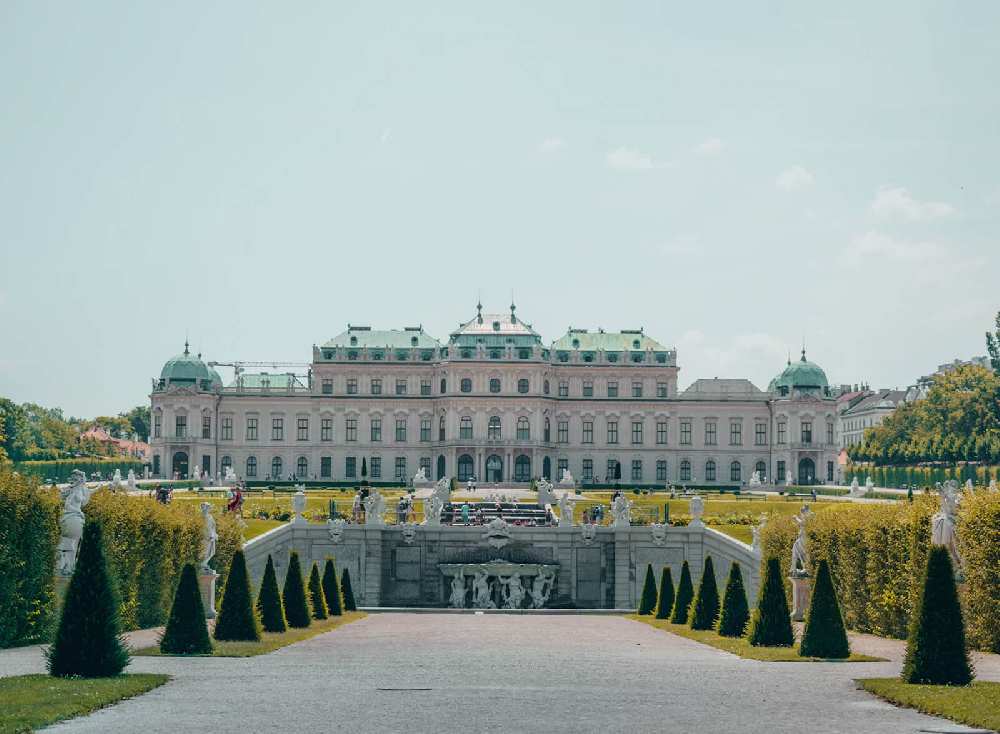
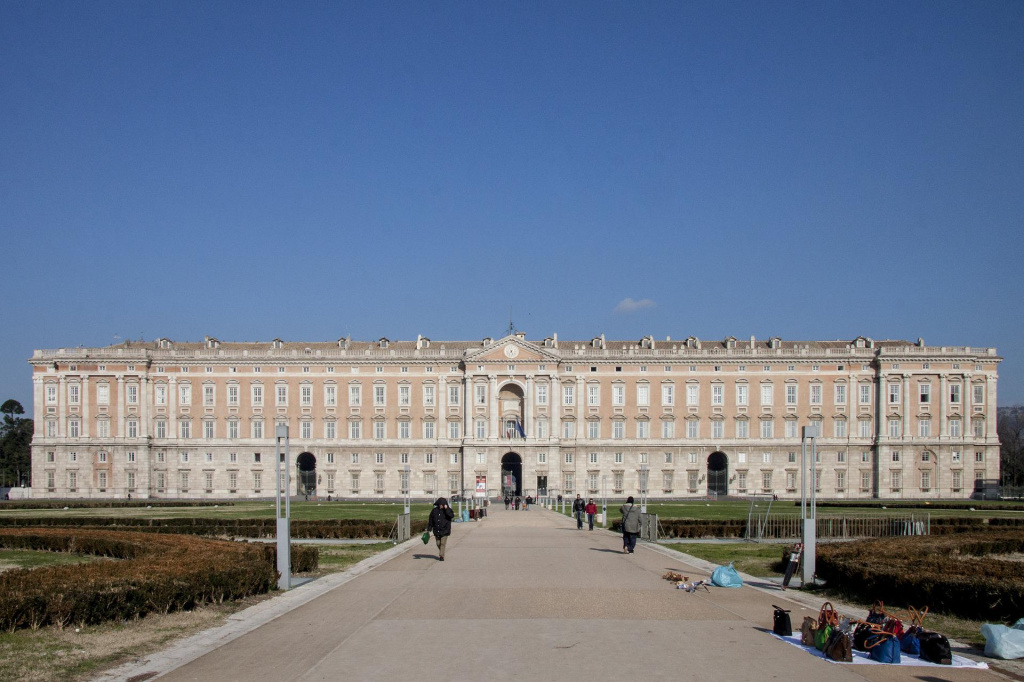
Caserta is home to a legendary royal palace. The Versailles of Italy draws tourists from all over to stroll through the shady alleyways, to see the rare plants in the botanical garden, and to admire the exotic fountains. Since 1997, the palace and park have been a UNESCO World Heritage Site. Filmmakers love making movies in the palace, and people love going to museums there.
Romantic souls must visit Verona to see Juliet's balcony where she accepted Romeo's love declaration. Shakespear took the Cappello family as a prototype for the Cappuletti. Tourists started flocking to the house where Romeo and Juliet was filmed after the movie came out. Almost all young couples come here to touch the magical girl statue. It used to be that lovers would leave love messages on the arch of wishes, but now it's forbidden to ruin the finish, so the letters are put in a special box.
The Uffizi Gallery in Florence is Europe's oldest museum. It's a rich collection of ancient architectures all in one place, so it's easy to organize tours based on themes and history. Despite being huge, the museum is crammed with sculptures, paintings, and the opulence of the lobbies and halls is stunning. You can't see everything in a day, since there are so many works of art by Sandro Botticelli, Leonardo da Vinci, Michelangelo, and others.
The Grand Canal, an open-air museum, is the symbol of Italian Venice. Water runs throughout Venice, curving like an S. The canal has no embankments, instead there are:
Streetcars and gondolas take tourists on the water. There are 4 bridges that connect the banks. They're also an urban decoration that attracts a lot of tourists. You can go on a gondola ride with a gondolier at the gondola pier and see many sights that are incomparable in beauty, sophistication, and originality.
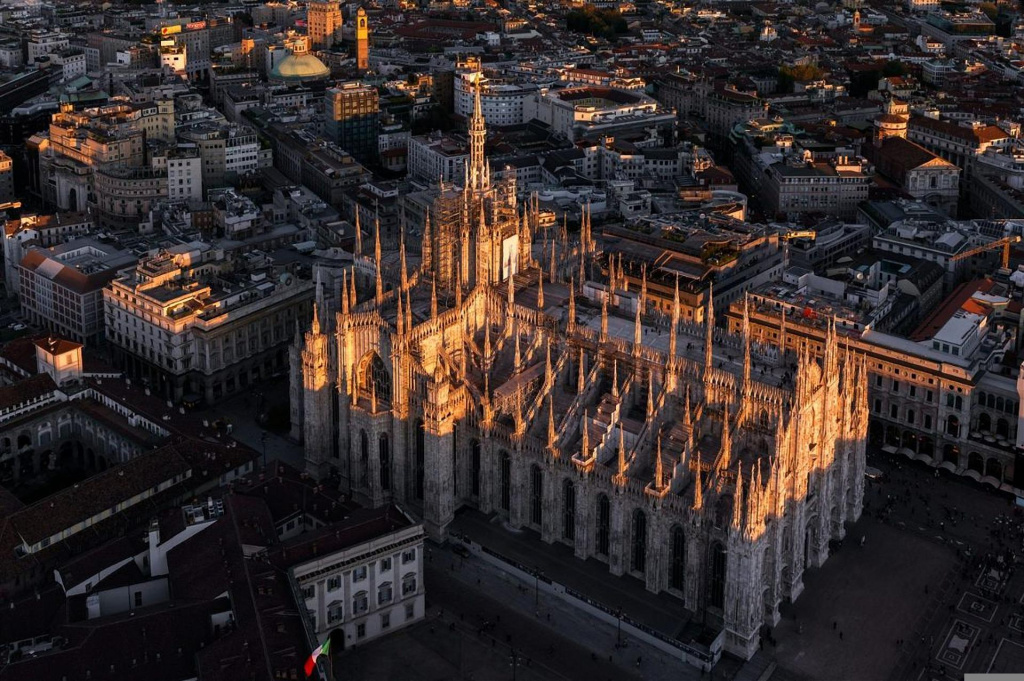
Italy's top attraction is Milan's Cathedral of the Nativity of the Virgin Mary. This huge Gothic temple was designed by Leonardo da Vinci and seats 40,000 people at once. Marble spires, murals by great Italian artists, gold sculpture of the Madonna, a nail used to crucify Jesus, are striking.
Guided tours include the halls of the cathedral, the archeological area, and the roof. Tourists can see the ruins of the Baptistery of San Giovanni and the Church of St. Fecla. Milan residents revere these ruins, and the historic site attracts tourists too.
Vatican City is a separate little state that was created 100 years ago. Vatican leaders negotiated with Italian rulers to build the Pope's residence. The name comes from Vatican Hill. Visitors flock to the grounds to see the exhibits, which are magnificent in their wealth and quantity.
There's a fountain, where cannons shoot water, trying to put out the fires of war, and green gardens near the medieval walls. With a professional guide, you'll learn about the shrines of the Vatican, ancient sculptures, Raphael's frescos, and paintings by great Italian artists.
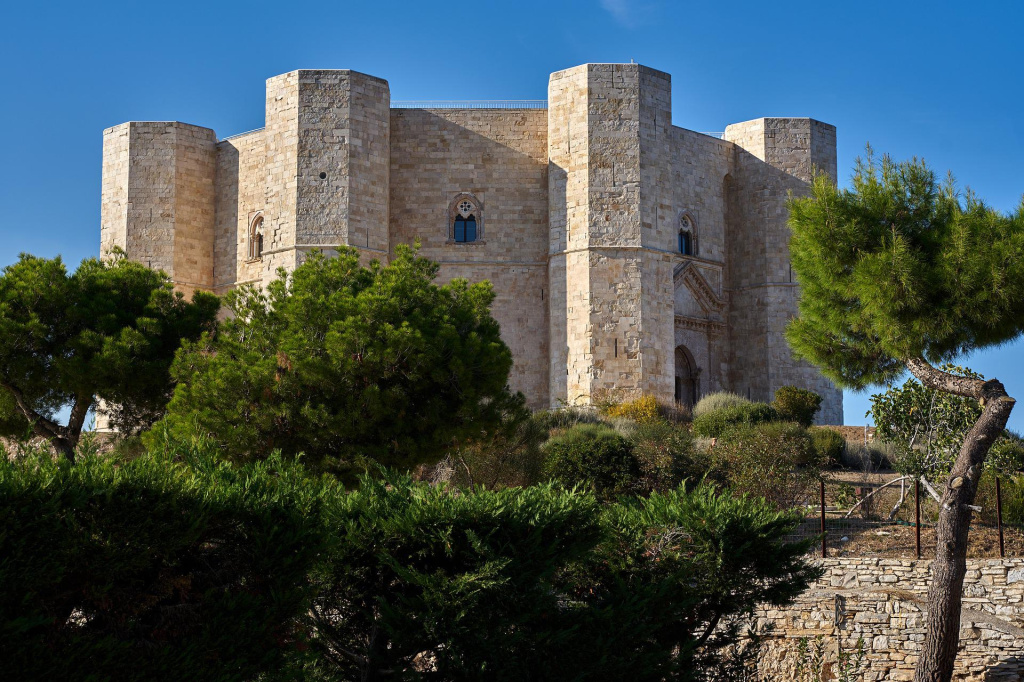
With its original Gothic style architecture and historical legends, the castle is the most mysterious in Italy. The structure looks like an octagon surrounded by eight towers. This castle was designed and built by (according to legend, an alchemist) Friedrich II, who wasn't indifferent to the number 8.
All the details in the castle are done in royal style, including the marble facing of the halls, amazing decoration and a blend of ancient, European, and Arabian styles. UNESCO declared Castle del Monte a World Heritage Site and it's protected. Tours to the castle, built at 540 m on a hill in Puglia, aren't available during the winter.
World-famous and well-known is the papal church. Michelangelo painted the Sistine Chapel, Perugino and Botticelli painted the walls and ceilings, and the temple was for the Pope so he could have privacy and pray. Nowadays, papal elections take place inside these walls.
There are guided tours to explore the Italian art when the chapel is free, turns into a museum, and makes money through tourists. During your tour, you'll see the Sistine Chapel, learn about the history of the Catholic faith, and hear what the papacy is like.
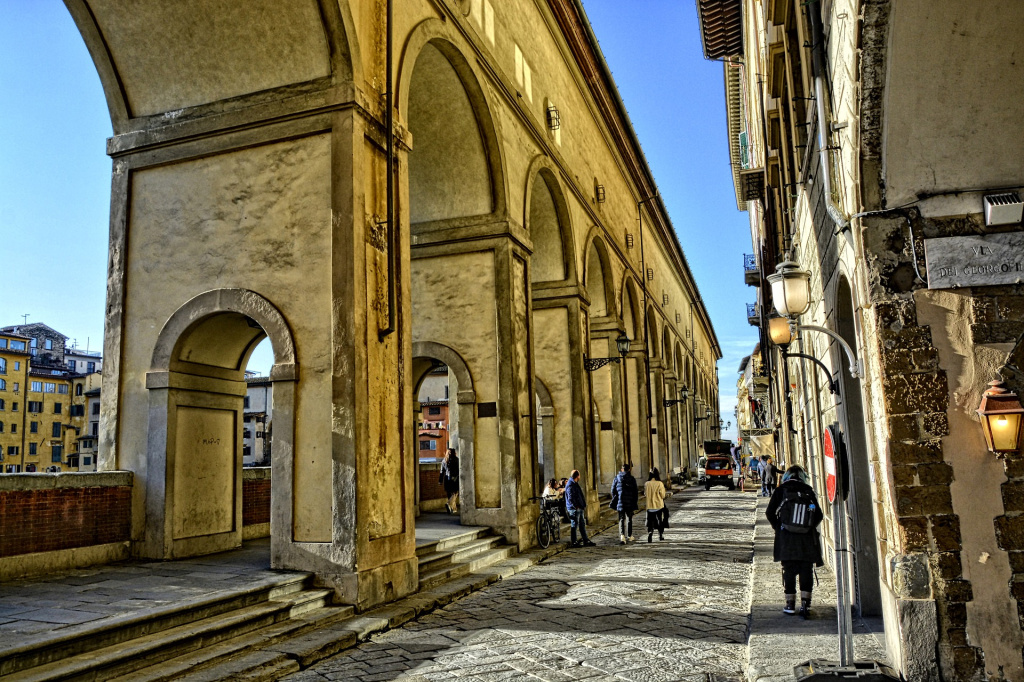
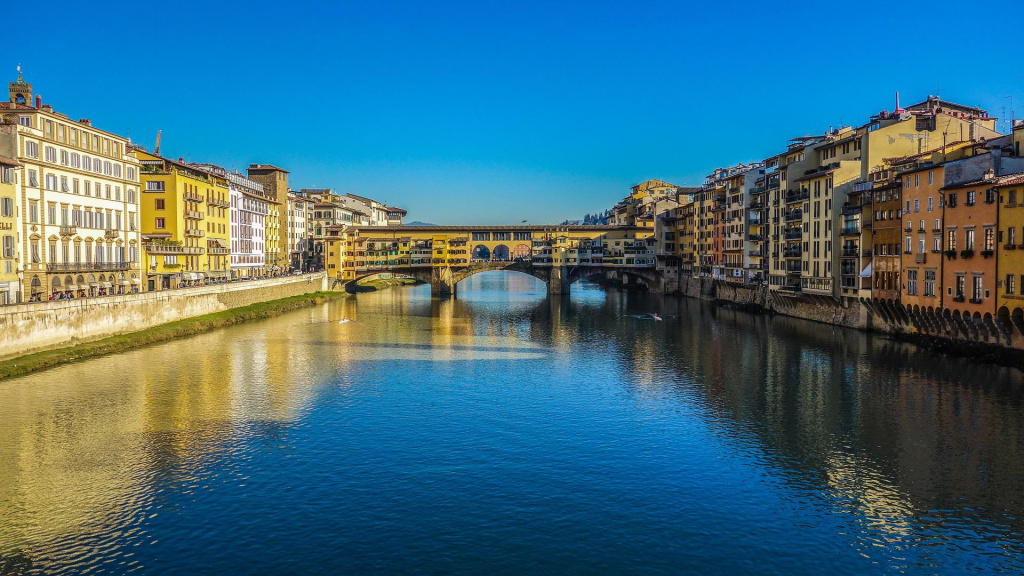
Travelers from around the world are drawn to the Ponte Vecchio bridge, the symbol of Florence, for its uniqueness. The Arno bridge was built in 1345 and it hasn't changed since then. It has survived floods and battles. When the Germans destroyed the bridges in World War II, it stayed untouched. Since ancient times, the site housed trading stalls.
When vendors couldn't pay rent, guards would destroy their stalls. Nowadays, there are boutiques and jewelry stores. The bridge is packed with tourists and souvenir hunters. Everyone's there, historically significant places aren't closed to tourists or organized tours. There's a lot of light at night so you can get great pictures.
The Accademia delle Belle Arti was the first European art school. The Academy's galleries now contain the most valuable works of art, and the Michelangelo museum opened. He built a separate rostrum for his David, and it looks like the sculpture is alive thanks to the illuminations.
Filled the Academy's halls with paintings by Sandro Botticelli, Lippi, and Pietro Perugino. Visitors to the celebrity gallery get a cultural shock seeing the works of the masters, many of whom are familiar from reproductions. Tourists are advised to book tickets in advance, because there's always a line outside the ticket office.
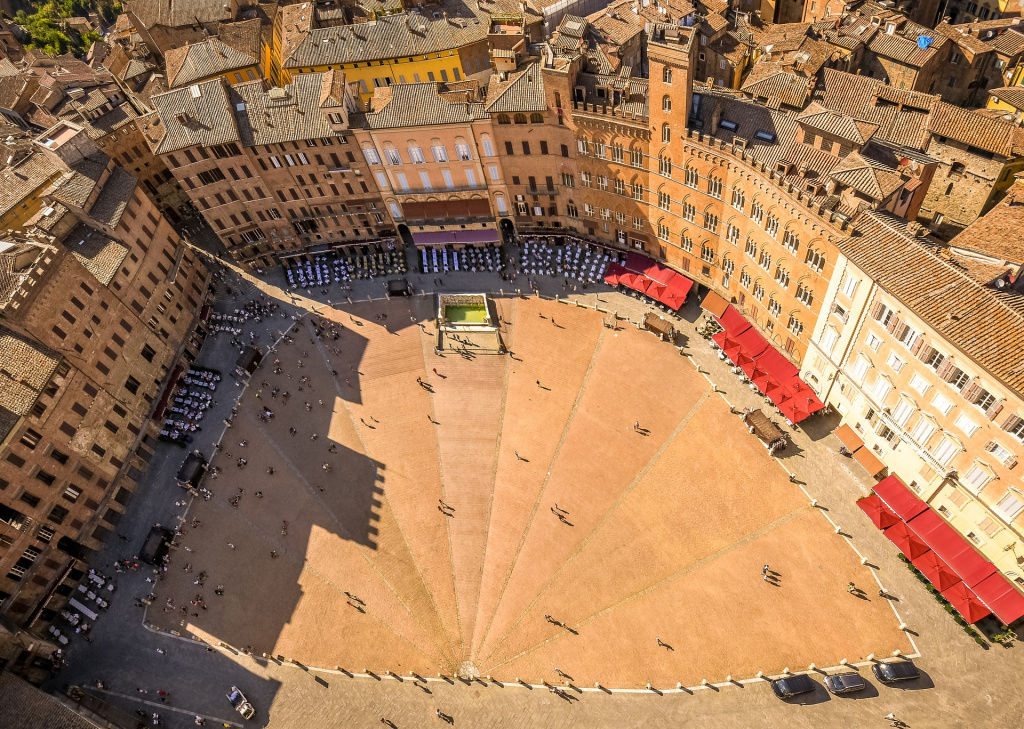
In Siena, Piazza del Campo is always crowded, regardless of the season. It's the center of all the city's landmarks. The square is shaped like a shell. Palazzo Poglico and Sansedoni were built here in the 14th century. You can see them near the Fountain of Joy. It's a good idea to book a tour so you don't miss anything historic. The guide will tell you all about the architecture of the city, a walk from what you see will be fun.
There are a lot of historical symbols in Italy. Florence, province of Tuscany, has the Cathedral of Santa Maria del Fiore. Many of the majestic buildings in Italy were built for centuries. Brunelleschi's octagonal dome had to be raised to a height, and since there were no machines to lift it, it had to be raised in sections. At the top it was fixed.
The temple walls are lined with colorful marble. They have stained glass windows that tell the stories of the saints. Italian painters painted the dome with horrible pictures of hell, showing what sinners face if they commit mortal sins. The clock, installed in 1437, still works today despite the hands going the other way. Brunelleschi's workshop now houses a museum.
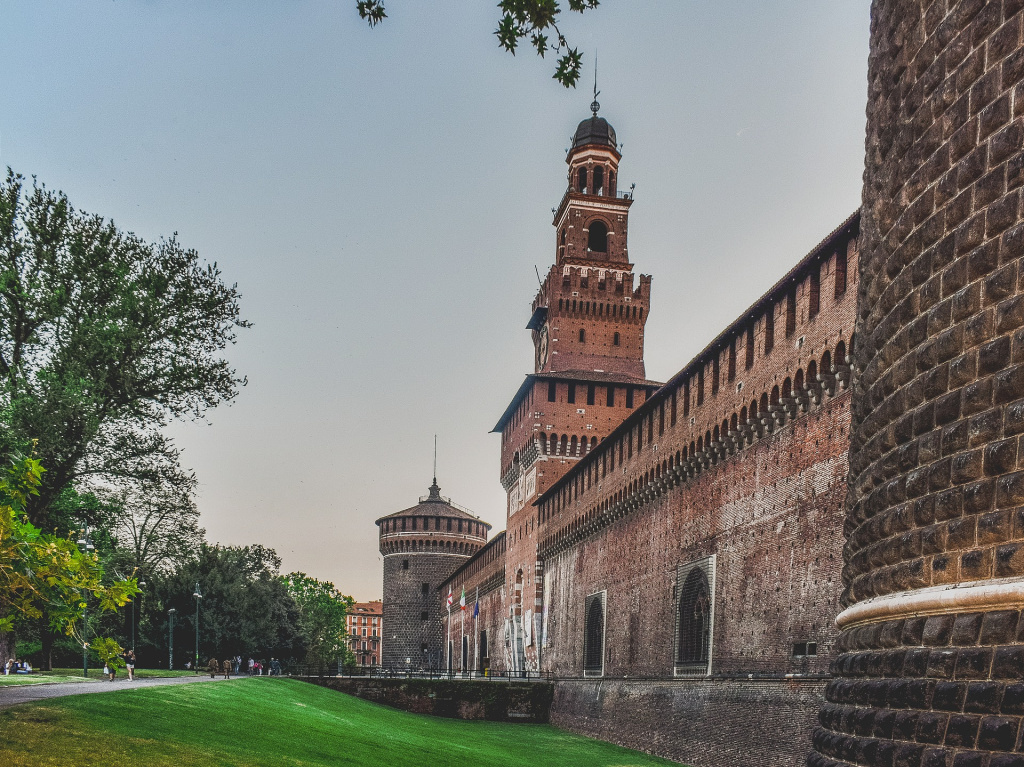
Milan's Sforza Castle is an architectural landmark. Visitors to the city love to stroll around Sforzesco Park, which surrounds the palace. In the past, the villa was occupied by Milanese dukes. Through the years, it fell into decay many times, and it was restored by several owners, including Napoleon Bonaparte.
Every inch of this place breathes old Middle Ages: the main entrance, castle walls, bas-reliefs, and fountains. There are a ton of museums on the grounds of the Sforza Castle, where you can find paintings and sculptures. Furniture from the nobles, crockery and clothes. An excursion through the castle will teach you a lot about the nobility and this part of Europe.
While Italy has tons of basilicas and churches, no city compares to the Valley of the Temples. There's no other place like it. Everything from the past is protected by UNESCO. The ruins here, with burials, squares, and surviving buildings, confirm this area's turbulent past. The archaeologists have found several temples and sanctuaries that claim to be former greatness despite the sad destruction.
It looks like once it had a fortification system, trade was booming, people gathered to solve urban problems, and heralds shouted orders to the people. Visit the temple of Hercules, built in 510 BC. Zeus' temple is awesome. Previously, the Atlantean sculptures guarded it, but they've been moved to museums, many of them in unknown condition. Archaeologists are still digging.
You can get to it by train. There's a bus that takes tourists from Palermo, Catania, and Agrigento. For the Valley of the Temples tour, you can buy tickets over the Internet or at the ticket office near Juno's temple.
Italy isn't just about temples. People come to Sassi di Matera to express their amazement: how could people live in hollowed out rock dwellings for centuries before the 20th century? There are still people living in the caves today. They've turned some of them into museums and hotels.
Churches, chapels, and cave temples are all working. The local life is amazing, the history is abound with legends, tales, and fascinating secrets. Walking is the way to get around. You need a private tour of this fantastic city if you want to have a comfortable trip. It's easy to get lost in the enchanted labyrinths without a guide.
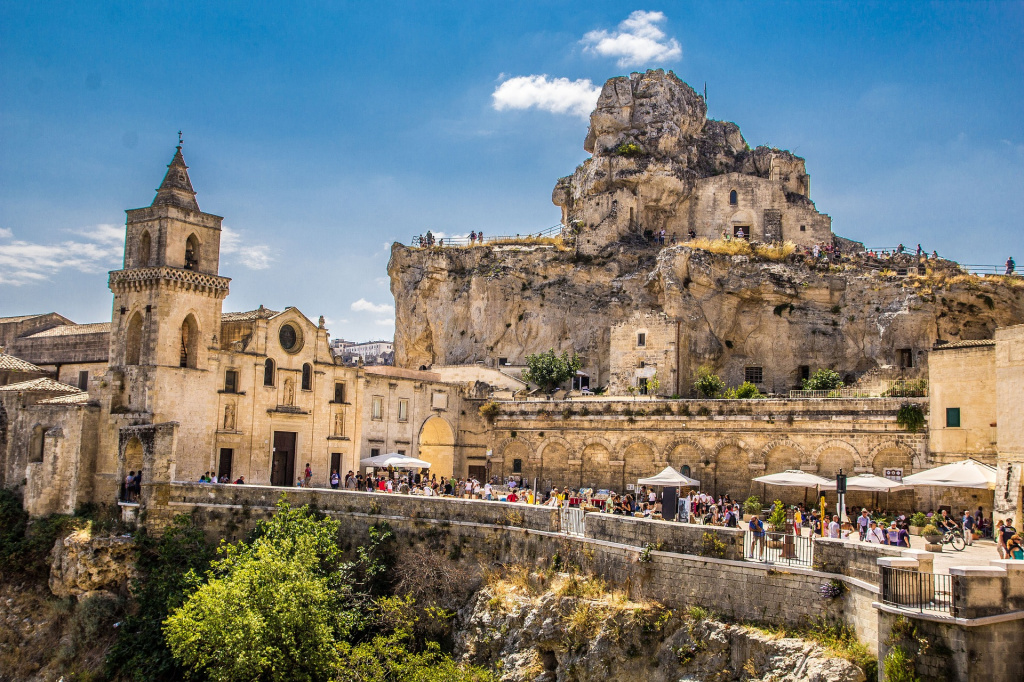
San Gimignano is an Italian attraction all by itself. Must-see is the museum, which has architectural, historical, and social exhibits telling the story of ancient Tuscany. The square is surrounded by towers dating back thousands of years. Collegiata di San Gimignano, a beautiful church with frescoes next to the cathedral, is worth checking out.
Palazzo Pabblico has an art gallery and beautiful works of art under its vaults. At 61 meters tall, Torre Grossa is the tallest tower in the city. Monks tell tourists about the historic era of the Church of Sant'Agostino, which has frescoes by Benozzo Gozzoli.
It's part of the resort area on the Ligurian coast. It's got clean beaches, pretty cliffs, and colorful villages. The five villages were cut off from the land by the sea, so they turned it into a national park and a picturesque place. Colorful houses were built on steep slopes with vine terraces. The Cinque Terre villages can't be reached by car, only by foot. Both tourists and tour groups can enjoy tasty food and local wine.
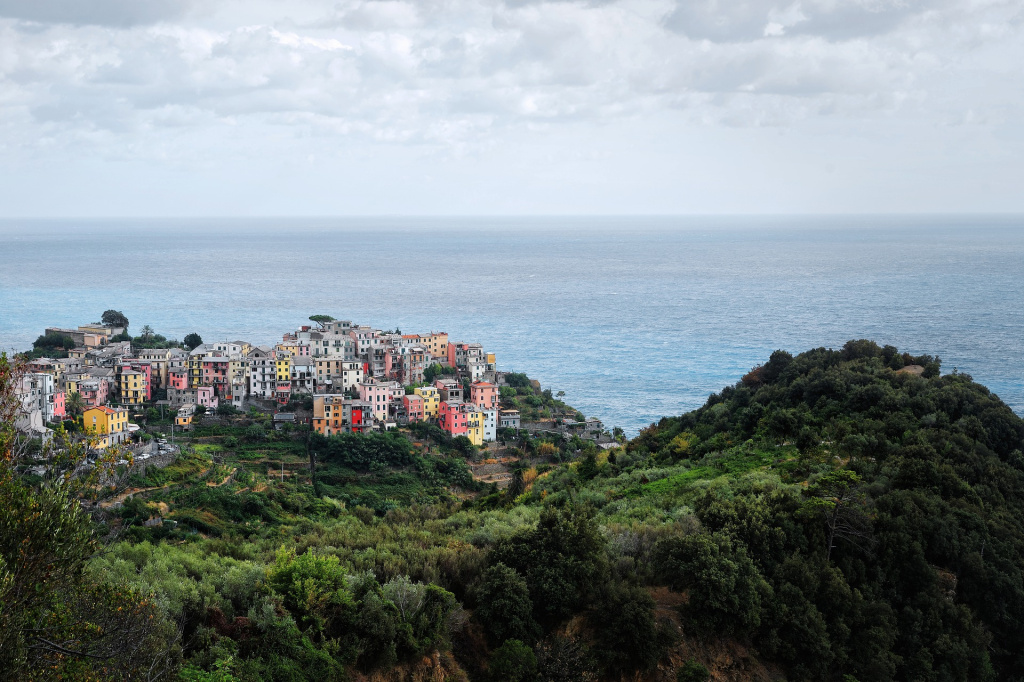
Locals and guests of the country consider Lake Como to be an Italian pearl. You have to take a day trip to the lake if you're ever in Milan. Here, legend has it, Leonardo da Vinci lived. The lake inspired ancient and contemporary poets and artists. City shores are built with cathedrals, castles and flowering villas and parks.
Villas in the prestigious areas of Bellagio are purchased by modern aristocracy. Indigenous guides tell the legends, take you to scenic sites, and arrange photo shoots. You can take a train from Milan in an hour, take a boat on the lake, and take a cable car up to the top.
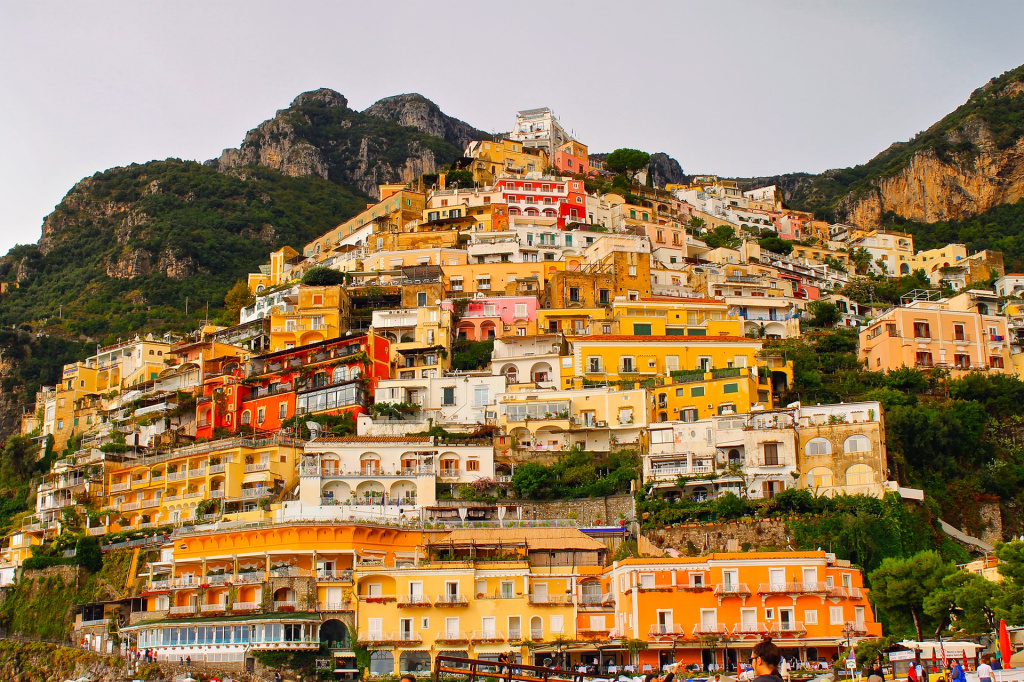
Positano is considered by the Italians to be the birthplace of pizza and mozzarella. However, tourists are more interested in famous resorts than Italian food. The city is scattered between valleys and mountains. From the mountain ridge to the sea go colorful houses surrounded by orange and olive groves. The hotel buildings are packed close together, and tourists come to enjoy the gorgeous sandy beaches and the crystal-clear waves.
From Rome, travelers arrive in Sorrento on scheduled flights, transfer to buses, and take cabs to Positano. The resort center doesn't have parking; cars are parked outside the city. Positano is famous for its Romanesque church, galleries, and medieval watchtowers, as well as dance and music festivals.
There's no end to the history of Rome's iconic monuments – the Trevi Fountain, the Pantheon, the Spanish Steps, renowned for its antiquity and uniqueness. The most beautiful building in Europe consists of 138 steps and connects the Pincio hill to Santa Trinita dei Monti church. Tourists always flock to the staircase, because it's said if you sit on the steps, you'll be lucky.
Spanish Steps is a popular tourist spot, the participants of excursions to the Colosseum, Villa Borghese must meet there. When you're walking in the center of Rome, near the Champ de Mars, the stairs are not to be ignored. Cabs will take you to the historically significant place if you call or order one at the parking lot.
An overview of Italian attractions shows only a fraction of the interesting tourist towns, temples, and basilicas. They're much more than that. It is only through the author's tours that you can appreciate the beauty of this amazing country.