$ (USD)
English


A rich history dates back to the Roman Empire in this country, nicknamed the «gateway to Europe». Much of the architecture in Portugal has an eastern influence, as part of the territory was ruled by Muslim peoples for a long time.
Each year, thousands of tourists flock to the park's attractions and unique natural monuments. It's nice that the prices in the country are fairly low, so you can have a really interesting trip that's also comfortable. There's something for everyone: from long walks under water to loud discos in nightclubs.
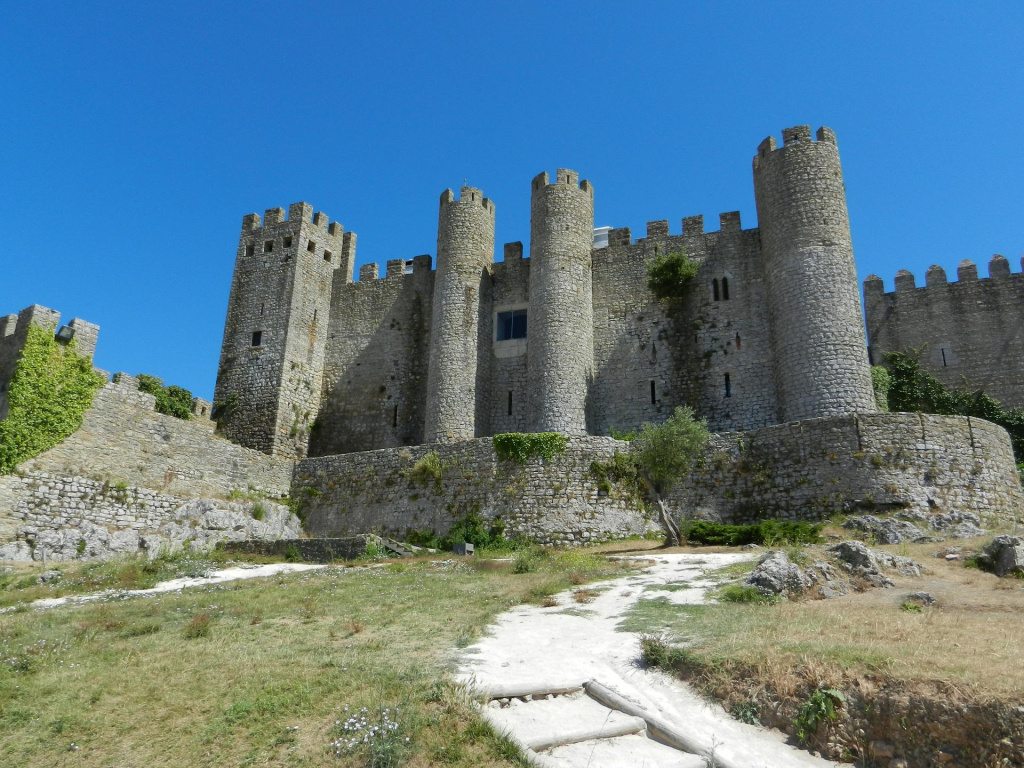
Portugal has been inhabited by Romans since ancient times. Modern palaces and castles have been built on the sites of Roman camps and fortresses. One of them is the castle of Óbidos. It dates back to the V century.
Since then, the fortress has been occupied by the Visigoths, the Arabs, and finally, the Portuguese. The castle fell into disrepair after extensive destruction in the 18th century. Óbidos reopened to tourists a century after it was reconstructed. There's also a castle-themed hotel there.
Over 500 meters above sea level, this palace is built on top of a cliff. This building is unique because it deliberately combines different architectural styles. Pena Palace started in the 16th century and was finished in the 19th.
A sightseeing tour of the palace is worth a whole day, because it will take at least five hours. There's a little shop with souvenirs and a cozy cafe on the grounds of the palace.
One of the valleys is a UNESCO World Heritage Site. Here, the highest quality wine has been made for more than two thousand years. Due to the climatic conditions in Altu-Doru, Altu-Doru can be divided into three regions.
Temperatures and humidity vary from region to region. That's why the list of grape varieties is so long. It looks so pretty, dotted with green vineyards, between which are white houses.
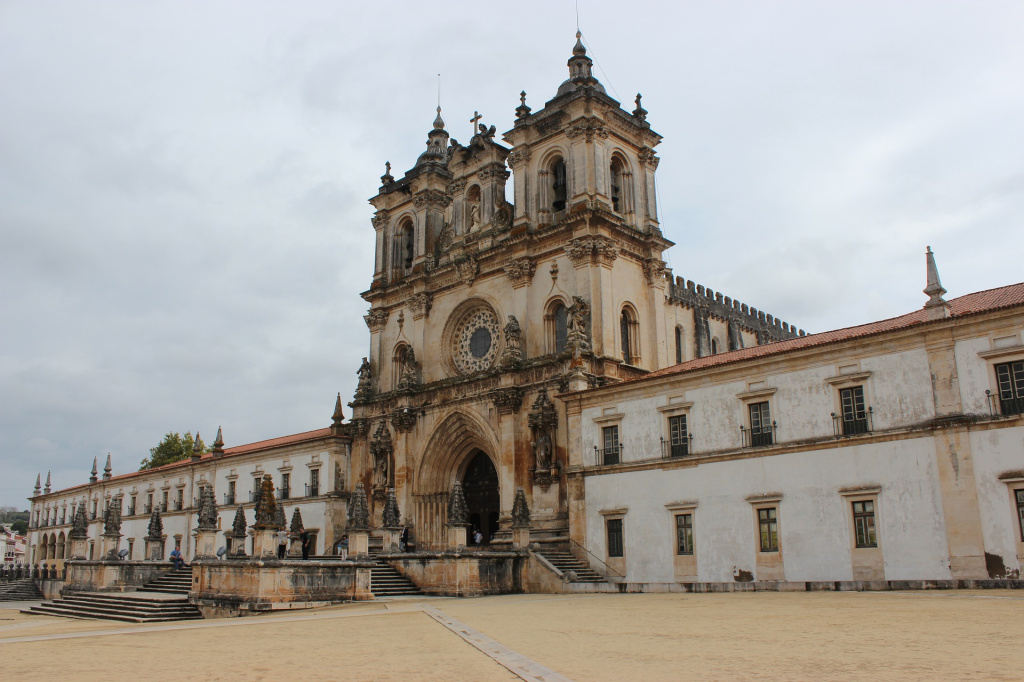
Saint Maria de Alcobaça has existed since the 12th century. The monastery was built by King Alfonso I of Portugal in Alcobaça. This was the first Gothic building in Portugal. Baroque elements were added to the Gothic elements as the abbey was completed and reconstructed. Since the end of the 20th century, Santa Maria de Alcobaça has been a UNESCO World Heritage Site.
Peneda-Gerês protected area stretches along the Spanish border. It gets its name from the two mountain ranges – Peneda and Gerês – that stretch across its territory. There are ancient castles, a dilapidated monastery, and the remains of a village that was flooded in the late 20th century. Not only is the reserve full of animals, but there are also ancient castles and ruins.
The city's history started long before the Romans settled there. They were the Lusitans, who called their home Ebora. Next came the Romans, then the Moors, then the Spaniards, then the Portuguese. The territory changed names a lot, but «Evora» stuck. There was a golden age in the 16th century.
The royal family lived in Evora, the university was built there, and key manufacturing sites were there. However, it lost its status as a political and economic center of the country two centuries later. Now a museum with monuments to history and architecture, it's open to anyone who wants to learn about Portugal.
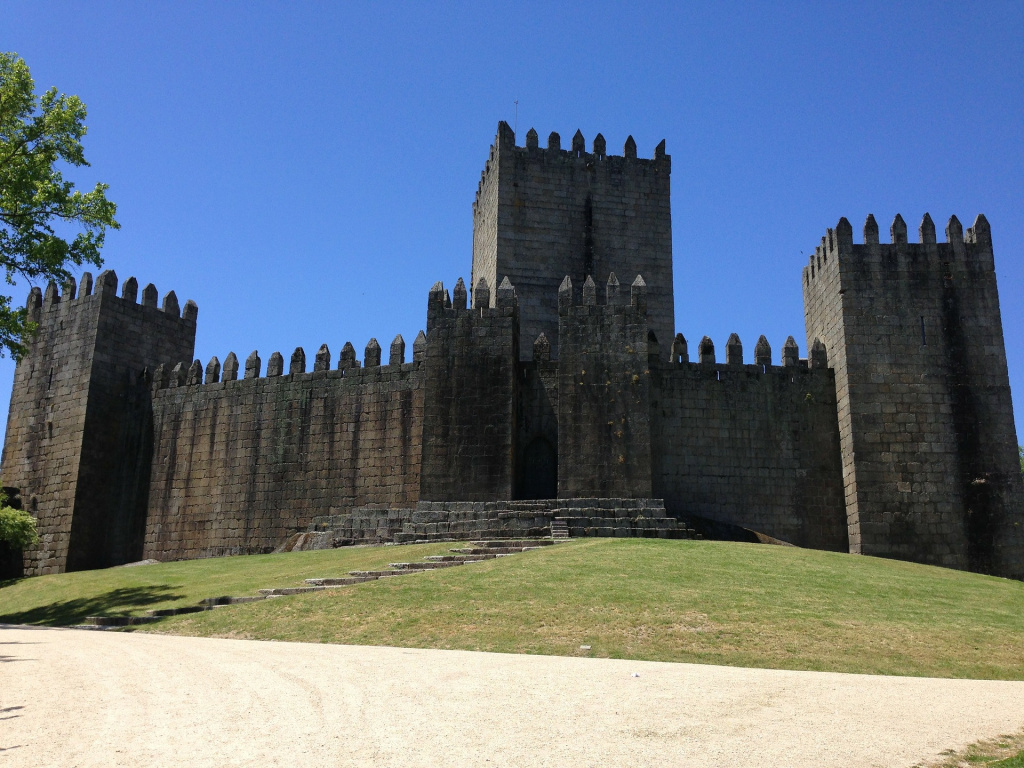
Originally, the land on which the castle was built belonged to the Arab people. But they were already conquered by the Portuguese in the 9th century. You can feel the luxury of these lands in Guimarães.
Castles weren't always home to noble families. There was once a prison, then the castle territory was rebuilt for rural needs. The fortress has been a historical monument since the XIX century, and it functions as a museum that you can visit for free.
There are plenty of attractions in Caissais for tourists as well as locals, from guided tours of the old town to rowdy nightclubs. Everyone will find something they like here.
Furthermore, there are some great beaches in Cascais. There are lots of unique caves in this city, like the ancient Neolithic grotto that was discovered in the middle of the city, or the famous «Hell's mouth,» which is in the west.
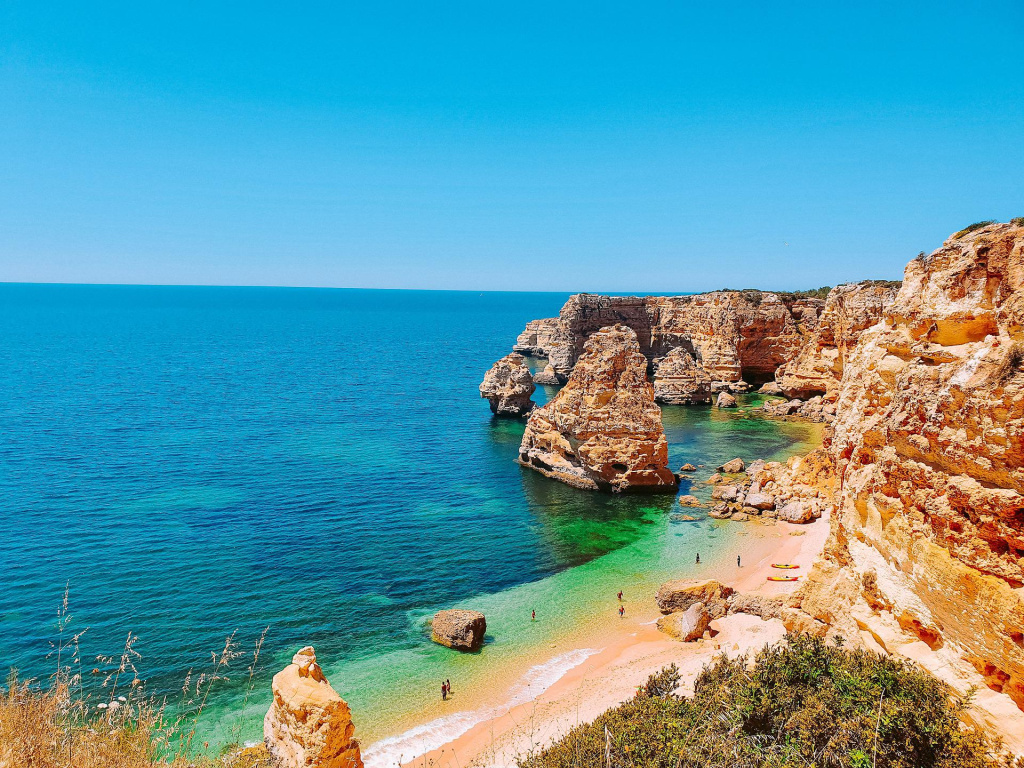
Lagoa has a beautiful beach ranked among the top 100 beaches in the world. Despite being far from residential buildings, Praia da Marina will appeal to comfort seekers. The beach area has everything you need.
There are toilets, parking, and a few cafes. There are lifeguards on duty and diving equipment rentals. The beach is well-protected from the wind, making it a popular spot for tourists.
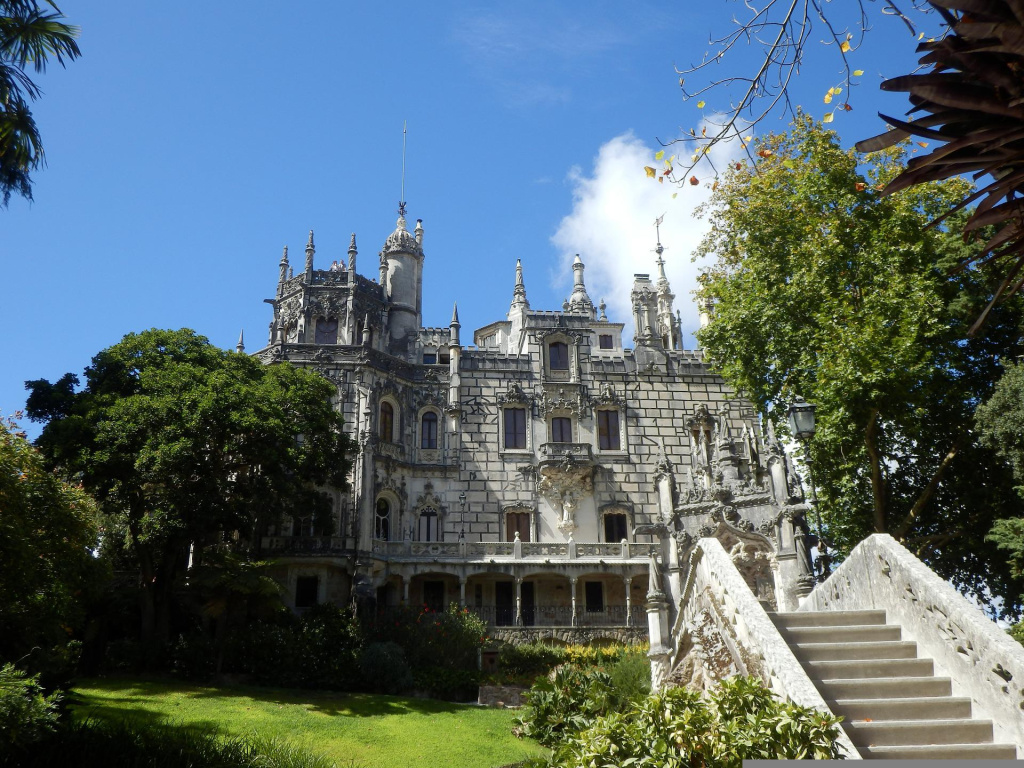
Regaleira is the most common name for the manor. Only at the end of the 20th century was the palace completely rebuilt. The place has an ancient atmosphere. The white walls of the annexes are covered in moss, and the surroundings are a sea of green.
There's not much known about the manor. This came to be in the XVII century and was called Quinta da Torre. Curiously, these records mention a manor house, which is supposed to have been built here before the palace. But its remains haven't been found. Manor still has secrets.
In ancient Portugal, the town near the sanctuary was the center of religion. A small cross and a chapel were built on Mount Espinho in the fourteenth century. In Russian, the name means «the church of the good Jesus on the mountain».
Construction on the sanctuary building didn't start until the 18th century. The steps to Christ are a particularly interesting feature of the sanctuary. The stairs are split into two sections: the steps at the portico and the stairs of the Five Senses. Pilgrims must go on their knees for this path.
Aveiro is often called the Portuguese Venice. And there are a lot of similarities. If you take a boat ride along the city's canals, you'll have a blast. There have been times when Aveiro was the most prosperous city in the country, and there have been times it was in decline.
The architecture of the buildings reflects all of this. Aveiro has pompous buildings paired with small fishing houses. Aveiro's Ria de Aveiro is a unique area of marshland where you can see their inhabitants in their natural environment.
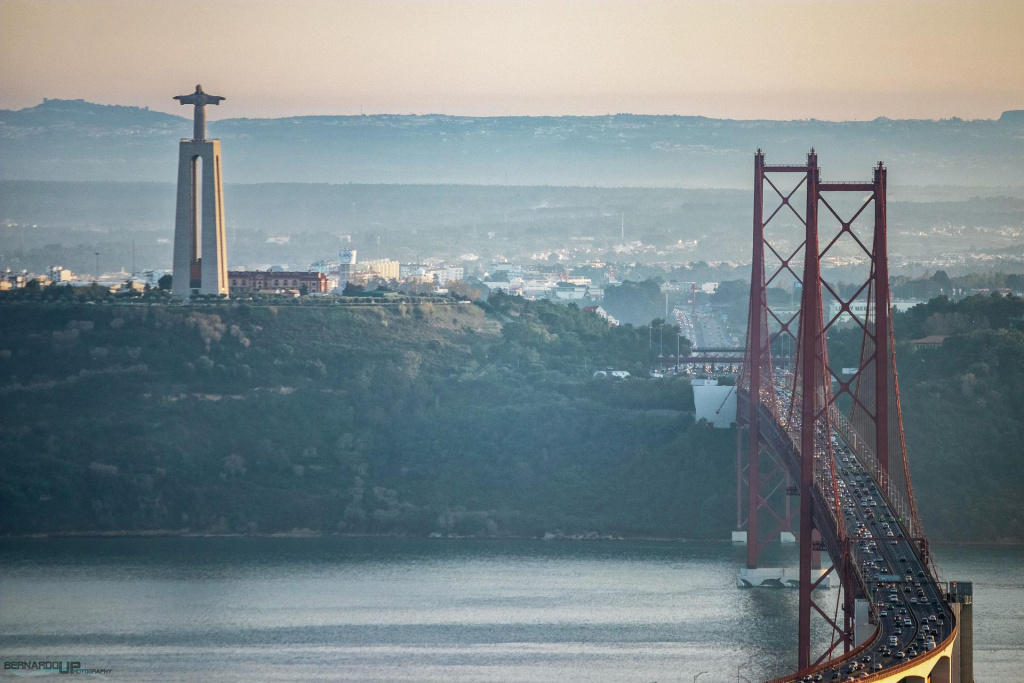
This is a symbol of Portugal that people all over the world recognize. With his arms outstretched, Jesus stands on a huge pedestal. Construction was made possible by the patriarch of Lisbon, who was inspired by Christ monuments in Rio de Janeiro.
Construction was finished in the second half of the 20th century. Christ's statue is almost 30 meters high, and the entire monument is more than 100 meters tall. You can see it from almost anywhere in the city.
There's nothing big about the Puppet Museum, but it's cool. Anyone who's seen puppet shows since childhood will enjoy it, because it's a unique chance to see «behind the scenes».
The first collection of the museum was exhibited at the end of the 20th century by the puppetry community, which wanted to bring puppetry back to its former glory. This included actors, singers, artists, and anyone else involved in performances. Over a thousand puppets from all over the world are on display now.
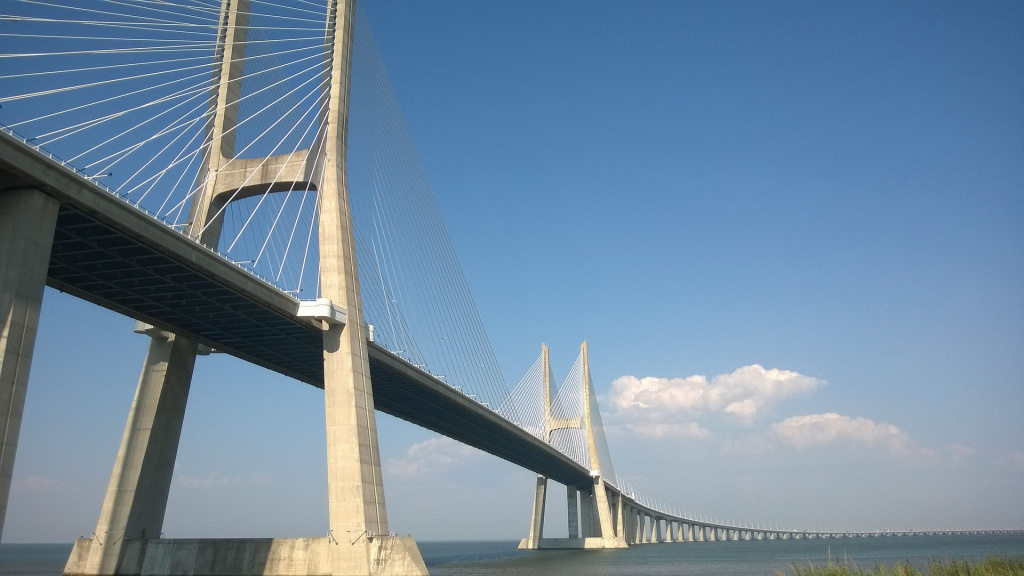
The Vasco da Gama Bridge is the longest cable-stayed bridge in Europe. It connects the Tagus River to both sides of Lisbon. It was built to solve a serious congestion problem on another bridge.
Work started in the 20th century. Vasco da Gama Bridge is 17 kilometers long, but only 10 of them pass directly over the river.
Ribeira is a district in Porto, Portugal. There are small boats and ships on the Douro River, including excursion boats now. The river used to be an important selling point for port wine. Nowadays, it's a popular tourist spot. Enjoy the colorful architecture of the surrounding buildings as you stroll along the waterfront.
The bridge has three functions: it's designed for trains and cars, and it's for pedestrians too. There are several tiers on the bridge, each with their own meaning. For example, the lower tier leads from Porto to the wine warehouse in Vila Nova di Gaia, while the upper tier connects Porto to the upper part of Vila Nova di Gaia. The bridge is more than 350 meters long and nearly 45 meters high.
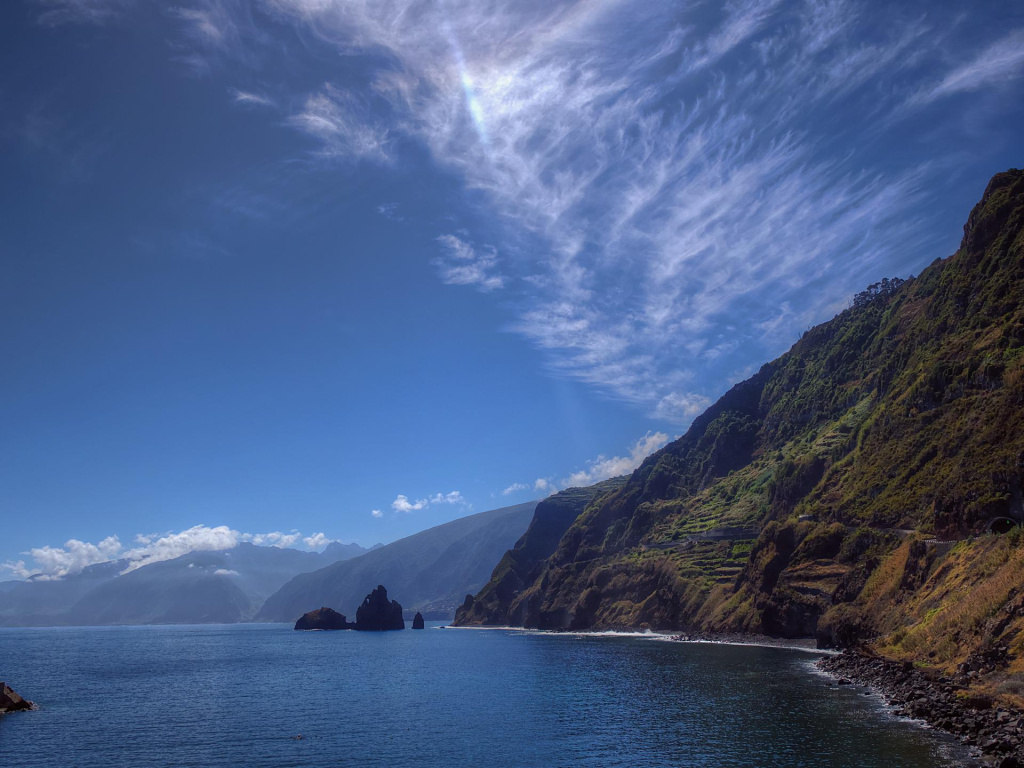
During the time of the Great Geographical Discoveries, this island was discovered. For a short time, Madeira was under British rule, but it was reclaimed. Madeira is key for the country because it's got the biggest port of the archipelago.
It's a very popular tourist destination. It's a great place to relax, enjoy the beautiful nature, delicious food, and great drinks.
The tour of the tropical garden includes not only an intimate stroll in which you can see so many different plants, but also a cable car ride and a tasting of the local wine. It's surrounded by a palace built in the 18th century. There's a museum in the palace right now.
Ponds and waterfalls are hidden among the greenery. An interesting place is near the central pond – ceramic panels that tell tourists about Portugal's history.
Vilamoura is deservedly the most developed tourist destination. Everybody can find something to do there. There are a lot of restaurants, bars, clubs and outdoor activities in the area. If you don't like loud parties, you can check out the Vilamoura Grottoes or relax at the beach.
Nearly 150 meters above sea level is the famous windy Cape Roca. A raging ocean and strong winds give an indescribable feeling of wild freedom. And the vegetation is pretty cool too. Despite the terrain on the cape, tall plants don't take root, but there are lots of bright succulents.
At the tip of the cape is a lighthouse with a height of more than 20 meters, which attracts tourists every year. There's also a small restaurant and a few souvenir shops, where you can buy a certificate for visiting the cape.

The bookstore was opened at the end of the 19th century by José Lello, the manager of a publishing company. The store grew, the company got more prestigious, and the old building just wasn't cutting it. So they moved to Carmelitas Street.
Members of the Lello family still take care of their brainchild. The building is regularly remodeled, and the store keeps growing. Most of the stuff is in Portuguese.
Azores is an independent region of Portugal. On the islands is the Pico volcano, which sometimes erupts. The name of the islands is translated into Russian as «blue», and in another version as «hawk islands».
There are sharp rocks and algae at the bottom of the bay, so it's not the best place for swimmers. This place isn't good for families with small kids, because the beach is wild. It's good for divers though, because the underwater part is amazing.
The water in the bay is almost always cool because the ocean is poorly heated, but quickly loses heat. Even if it's 30 degrees outside, the water doesn't get much warmer than 20 degrees.
Cabo Girão is one of the most popular viewpoints on Madeira. A suspension bridge gets you there. People come here from all over the world to get their nerves pumped. This bridge is more than 550 meters above sea level.
Near the Church of San Francisco is the famous Chapel of Bones, which houses the remains of Franciscan monks. If you look closely at some of the skulls, you can see the date of a person's death.
The chapel's entrance is crowned by a Latin inscription that says, «Our bones await your bones». The chapel is divided into three sectors, each just over 10 meters wide and a little over 18 meters high. Franciscans built the chapel to symbolize the transience of life in the 16th century.
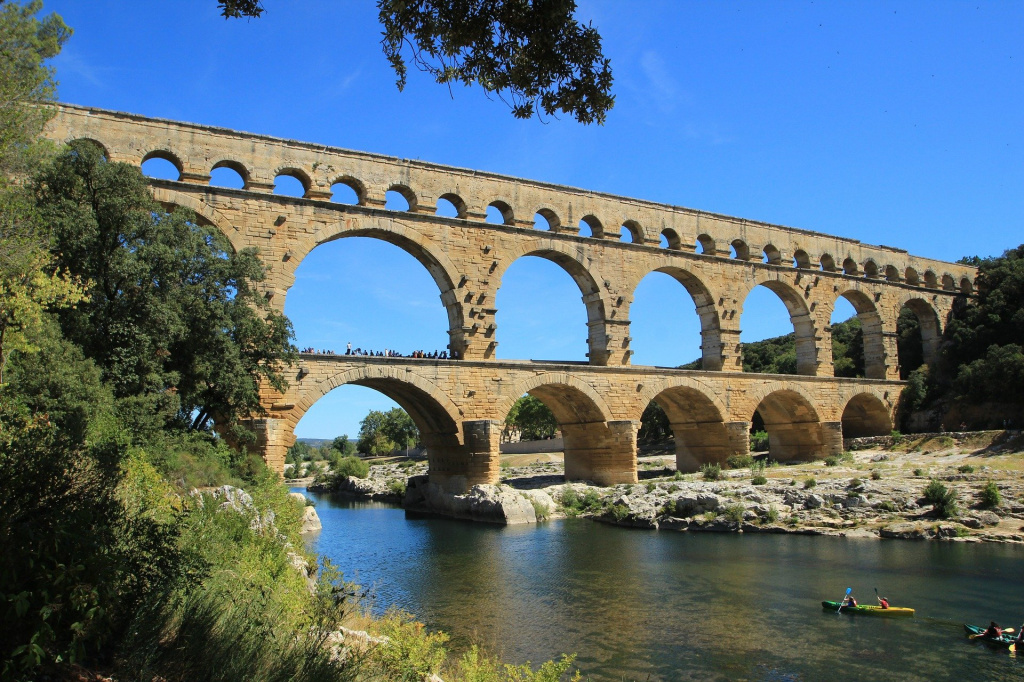
Portugal's technological advances in the 18th century are symbolized by the high stone arches of the aqueduct in Lisbon. This structure still works. The aqueduct was closed to tourists for a long time before it was opened and guided to the public in the 1920s.
The Gloria funicular connects the upper and lower part of Lisbon. It's more than 260 meters long and ascents up to 18 degrees. Take the funicular to enjoy the views of the city.
After the funicular carriage moved by water traction, the design was improved, and steam became the driving force. Around the beginning of the 20th century, however, the funicular was re-equipped so that it could run on electricity.
The church was built in the 13th century. The building is a fine example of Gothic architecture, and the interior decoration is gorgeous. Franciscan monks built the church under Ferdinand the First's patronage.
Interestingly, the church originally looked much more modest. The majority of the decor was added in the XVII-XVIII century. The church isn't used for services anymore, it's just a museum.
It's a beautiful park that every nature lover will love. There aren't a lot of locals here, so tourists have the chance to see rare plants in a secluded setting.
The garden is surrounded by a mansion, which in different eras belonged to high-ranking members of Portuguese society. Today, the park belongs to the University of Porto. New owners didn't change anything about the park, and left the house and grounds untouched.
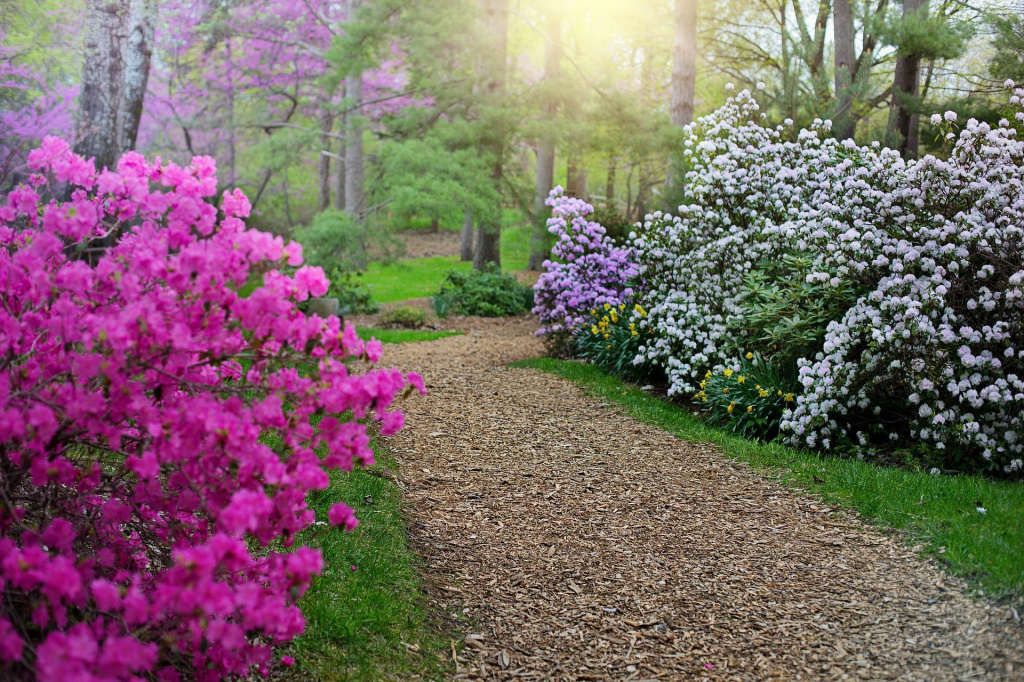
After the Muslim invasion of what is now Portugal, the castle was built in the 9th century. Moorish castles were used as fortifications and defensive structures for several centuries.
The buildings of the castle and the adjacent church were almost completely destroyed by an earthquake that struck in the eighteenth century. They were only rebuilt in the nineteenth century. The Moors' Castle was added to the UNESCO World Heritage list in the XX century.
The museum is in the capital of Portugal. It has unique exhibits dating back to the XIV-XIX centuries. You can find not just paintings, panels and tapestries, but also sculptures, utensils and household items. The museum also has a great collection of carpets, furniture and porcelain.
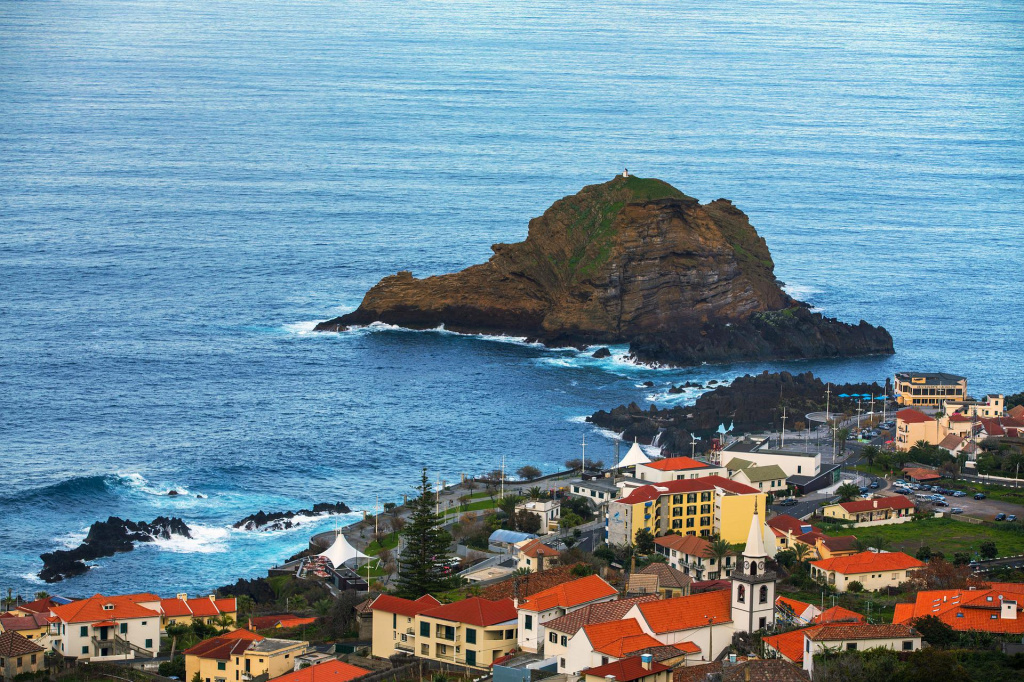
The history of Porto Moniz dates back to the 19th century. It's an agricultural city that sits on the ocean.
Visitors come here to see the aquarium, which was built on the site of São João Batista, an ancient fortress. The aquarium looks just like the fortress. Veu da Noiva is the highest waterfall on the island.
On the island of Madeira, you'll find a lot of interesting religious monuments. Among them is Funchal Cathedral, built in the 16th century. Once there was a church here, but none of the parts are left. A mass was held in honor of Funchal, a Portuguese city, when it became a city just as the cathedral was being built.
A fire destroyed a monastery on the site of the Exchange Palace before the 19th century. Monasteries weren't reconstructed, but palaces were built in their place. The museum is now open to tourists who want to learn more about how Portugal traded throughout its centuries of existence.