$ (USD)
English


Home of jazz, alligators, and voodoo cults. Among the monotonous cities of America, with the tallest skyscrapers and one-story boring suburbia, the jazzy, carnivalesque New Orleans stands out very brightly. The largest city in the state of Louisiana and one of the largest port cities in the United States is located on the two banks of the Mississippi River.
Check out our list of New Orleans' top attractions to find out why.
In the Garden District, you can find an ancient cemetery, the home of a vampire writer, and plenty of greenery. The local cemetery is the oldest in New Orleans. Local architecture is mesmerizing and makes you want to stop and take a picture. It's worth spending a day exploring all the neighborhood's nooks and crannies.
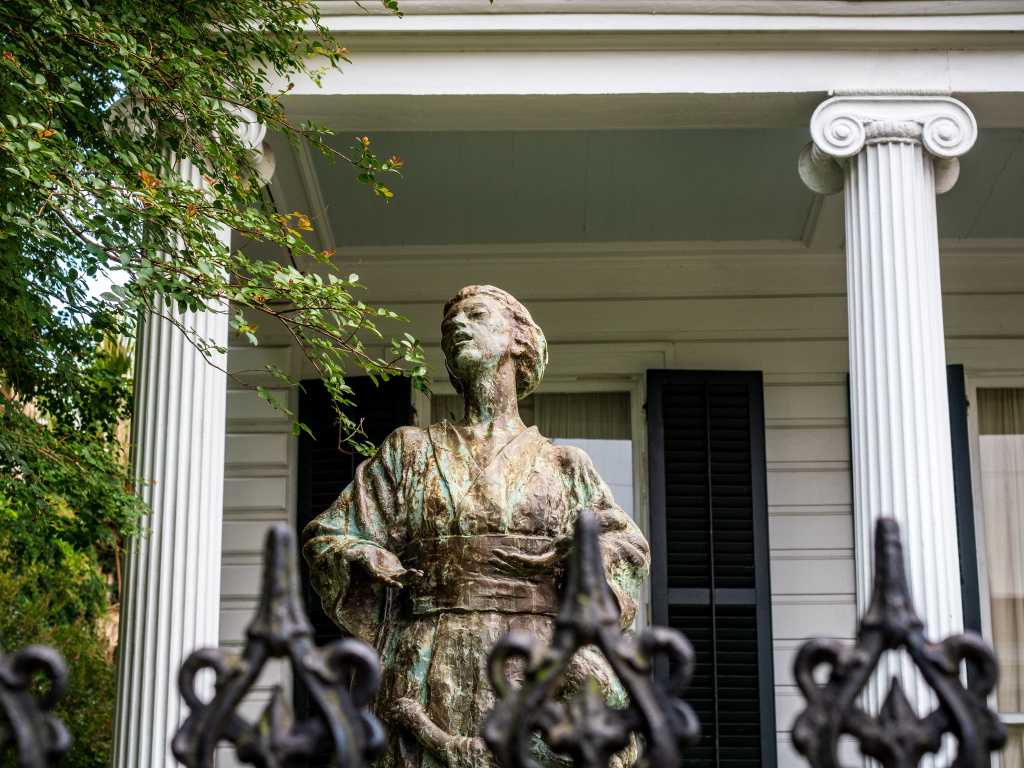
World War II Museum pays tribute to American soldiers who fought in the war. Whether you're an adult or a kid, you'll enjoy it. There are planes used by the U.S. military during WWII on display. There are also several exhibitions that try to recreate the battles and cities where the battles were fought.
Frenchmen Street is a haven for musicians from all over. All the colorful houses that house clubs and cafes look like postcards. At night, the street bursts into flames with bright lights, jazz inflections, and colorful colors. Jazz is the most popular music here. The venues are so crowded during the tourist season you can't find a seat.
Almost 1,300 acres make up New Orleans' City Park. That's one of the biggest parks in the country. It used to be a sugar plantation until the late 19th century. Don't forget to check out the local botanical garden as you walk in the park.
These picturesque settings are often the setting for wedding processions or concerts. There's also a mini-tramway and passenger train that runs on weekends in one corner of the park.
Every year, New Orleans holds the Mardi Gras Festival, which draws tens of thousands of tourists. Carnival costumes are made by the eponymous Mardi Gras company, one of the biggest in the world.
These are the things the Mardi Gras Museum exhibits. There was a workshop on the site of the museum at the beginning of the XX century, where carnival decorations and masks were made. On the sightseeing tour, you'll see how the carnival art movement developed and what it all came to.
There's something special about one of New Orleans' cemeteries. Marie Laveau, the famous voodoo queen, is buried here. Originally, the cemetery was free to visit, but then for safety reasons and to preserve the monuments, tourists were only allowed with a guide. The oldest graves in the cemetery date back to the late 18th and early 19th centuries.
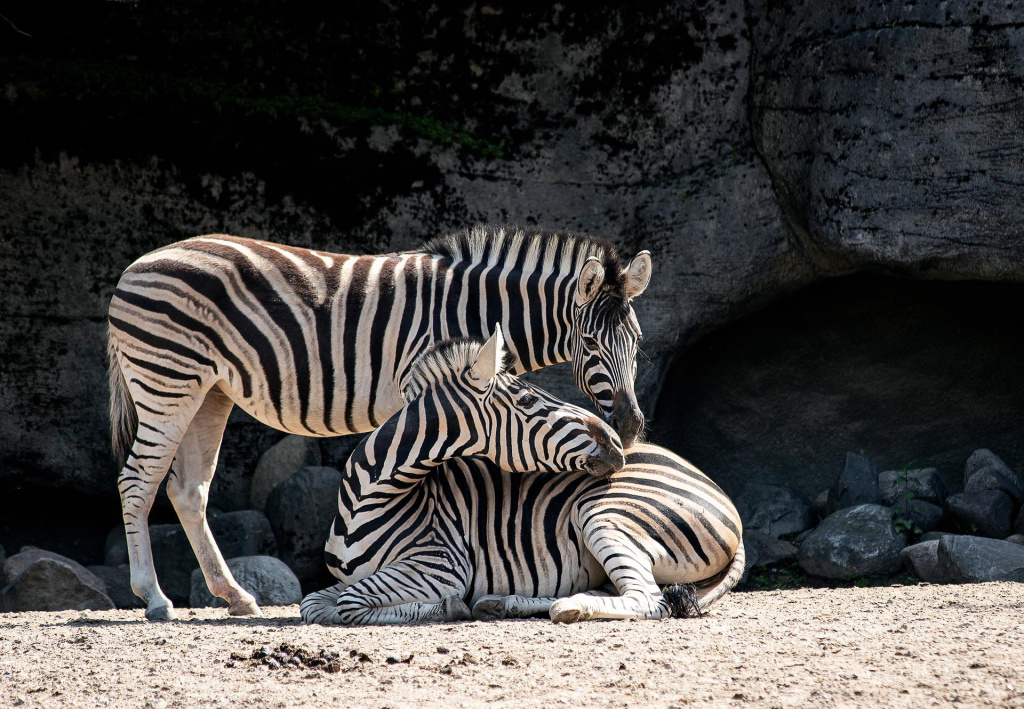
There are a lot of animals at New Orleans Zoo, which is a huge, scenic park. It's cool for families with kids, but you won't get bored if you come alone. The animals in the zoo seem friendly to people and are happy to interact.
Some you can talk to closer in the enclosure. Goats, for example, are free to roam. It's best to come here in the morning, because in the evenings some animals go to their lodges for dinner.
A tour of New Orleans wouldn't be complete without a streetcar ride! Prices vary depending on the fare you choose. New Orleans has a great streetcar network. There hasn't been any change in the appearance of the streetcars over the years. They're all meticulously maintained.
A ride on one of these streetcars can be one of the most atmospheric things you'll ever experience. You get to see the city from a whole new perspective. Stops are near City Park and the New Orleans Museum of Art.
Jazz is a symbol of New Orleans. Every day of the year, jazz inflections can be heard from hundreds of cafes and clubs in the French Quarter. But April is a special month for jazz fans. Jazz festival spirit is in the air in late April and early May!
The biggest bands perform alongside the newbies. Thousands of tunes fly through the air. There are restaurants on the festival grounds that serve gourmet food to go with the music. The festival attracts people from all over! It gets pretty packed sometimes.
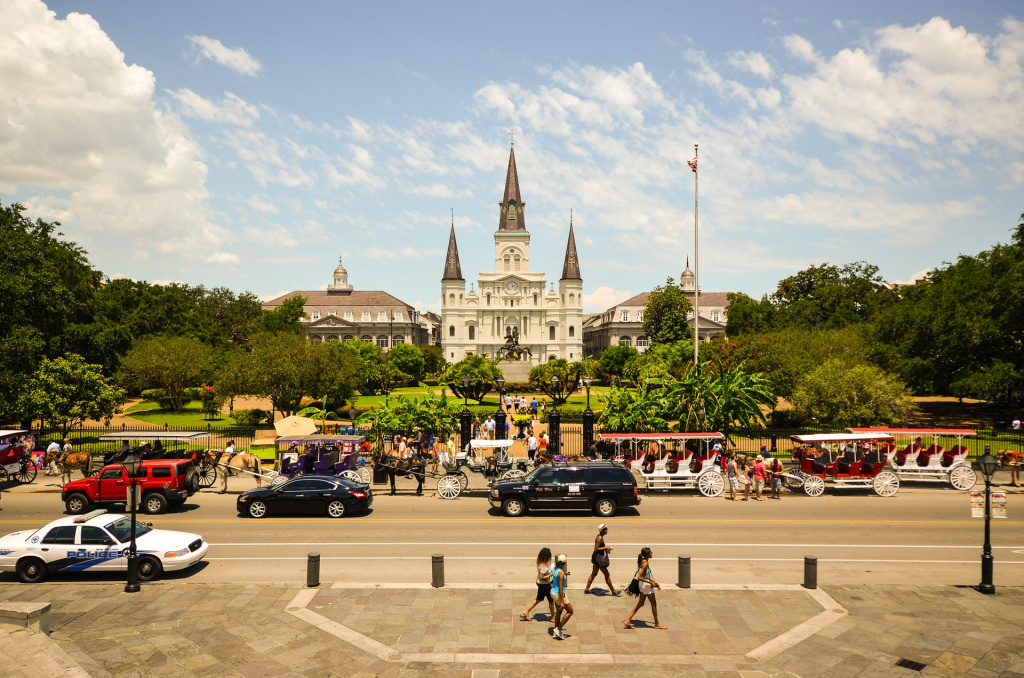
Jackson Square is sometimes called «Army Square». In the center of the square is a huge cast iron horse that shows Jackson riding it. In the 19th century, it was designed and built. As a result, the city officials have worked hard to keep the place looking and feeling the way it used to.
A majestic cathedral can be visited for free near the square. There are almost always a lot of people there. People came from other countries to enjoy the architecture, and people who live in the city went out to see friends. This place is pretty popular in the city.
It's worth visiting Long View House and Gardens if you want to really get into the atmosphere of the past. The house was built in 1941, so it's from the middle of the century. The Sterns lived there for over 40 years. The museum staff keep their belongings and household items in almost perfect shape.
There's a great garden near the house. March and April are the best times to go. When the plants in the garden start blooming, an intoxicating smell fills the air. There are lots of fun activities on the grounds, like group gardening and yoga.
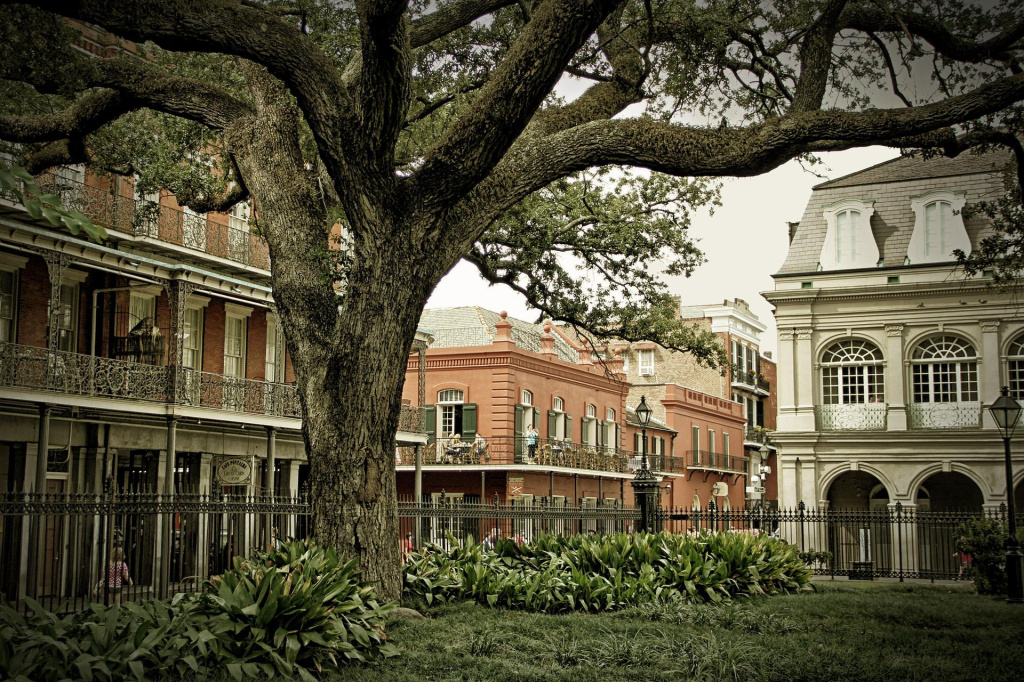
The oldest neighborhood in New Orleans, where it all began. In the early 18th century, the first buildings went up. French Quarter's architectural landmarks attract crowds of tourists every year, so the streets are always busy.
The Mardi Gras Carnival takes place every year on the main street. You can stumble upon a jazz club just across the street. You can find both common souvenirs and rare antiques in the French Quarter's plethora of stores.
Original purpose of the building was to serve the clergy. Now it's a museum owned by the Louisiana State Museum. There are several permanent exhibits in the Presbytère that contrast greatly with each other. There's one dedicated to Mardi Gras, which happens on Main Street in the French Quarter.
The second exhibit will tell you about the hurricanes that hit the city pretty often. Rebuilding of the Presbytère began in the early nineteenth century and was completed around the middle of the century. Clergy members were supposed to live there. Interesting enough, the Presbytère never did what it was supposed to.
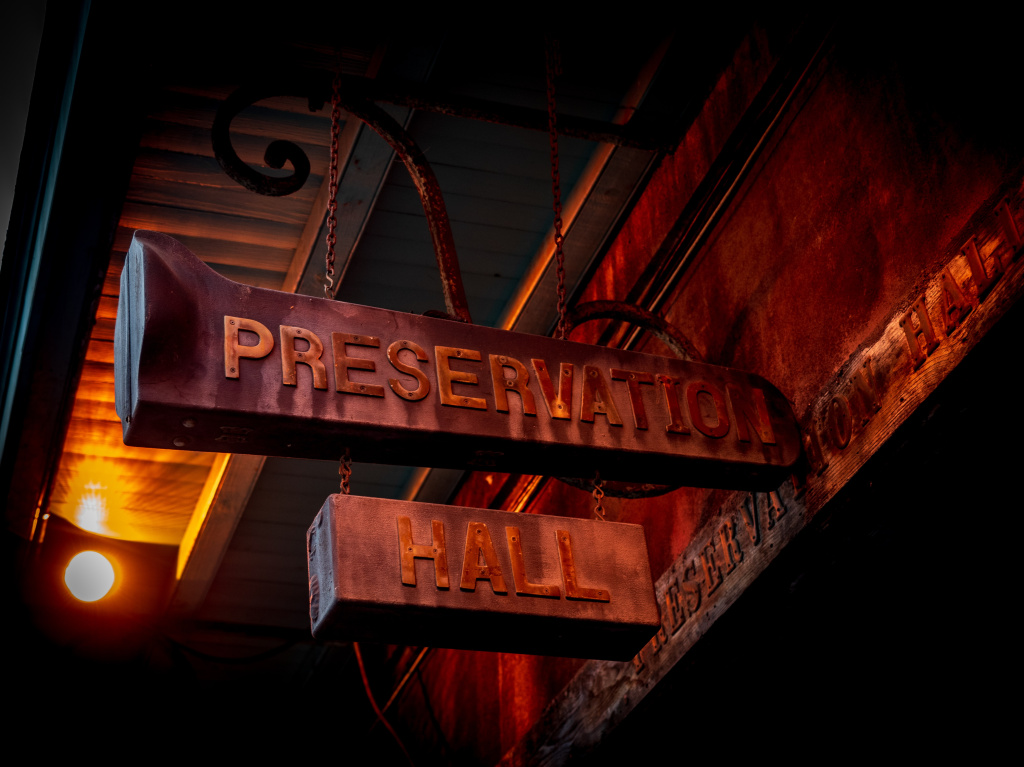
A stylish hall building reflects the spirit of the twentieth century. There are often music concerts here, but the hall isn't big enough to attract many people. The audience often sits on the floor so they can get close to the musicians. Jazz in New Orleans has a wonderful atmosphere that gets right to your soul.
For concerts, tickets need to be purchased in advance, preferably several days in advance. Reviews that describe the unsightly room with scanty furniture and end with an appeal to come to the hall are funny, because the music more than makes up for everything else.
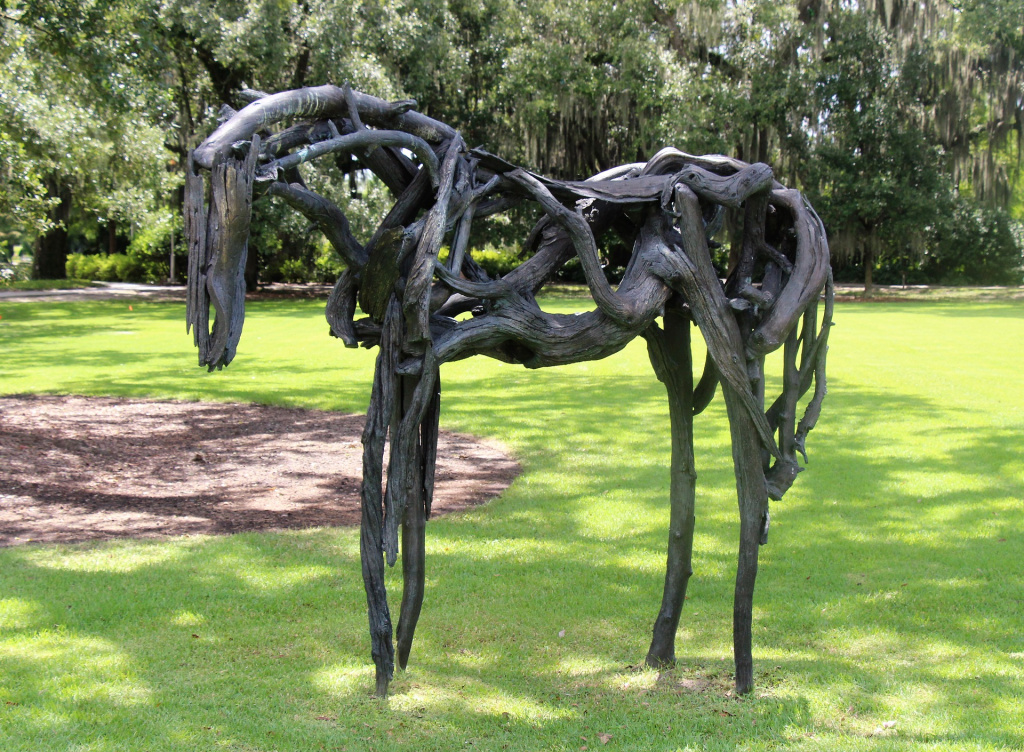
City Park has a cool sculpture museum. Sculptures here range from classic compositions to amusing and humorous pieces. Plus, there are benches all over. You'll be able to sit down no matter how many visitors there are.
In addition to the sculptures, there are working fountains that set the mood. This is a quiet, peaceful place where you can contemplate the sculptures and let your mind wander.
In comparison to other New Orleans houses, the Art Museum building looks pretty simple and modest. City Park is home to the museum, which was founded in the early 20th century. Isaac Delgado was a prominent collector in the museum's early days.
Currently, the Art Museum of New Orleans hosts both permanent and temporary exhibits, mostly devoted to contemporary art. It's the city's premier museum and everyone has been there at least once. There aren't just pieces of art, but also historical monuments from all over the world.
The long street has lots of cool shops and nice cafes. There's a lot going on here during the day and at night. Although the closer it gets to evening, the more people flock to the street. You can find the most unusual and original souvenirs, clothes, figurines and other stuff in the local shops. It's freaky in some stores, but that's what makes it cool. You'll also find one of the biggest and best antique stores in the city here.
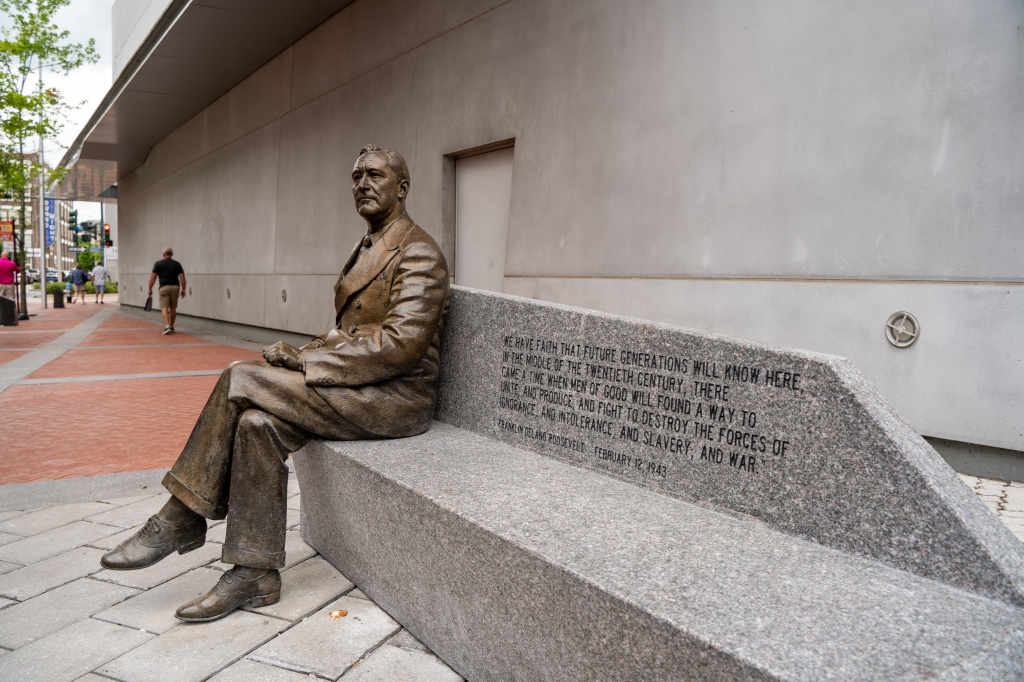
An extravagant building in downtown New Orleans housed a huge aquarium complex. It opened in the last decade of the 20th century. The museum has a big collection of marine creatures from New Orleans and the surrounding areas. You'll see a lot of fish, jellyfish, sharks, and rays on this tour.
The collection's pride and joy is one of the few white alligators left in existence, which was caught in Mississippi. There are tunnels for tourists to walk through. There are so many sea creatures down here that you feel like you're swimming among them.
The National Wildlife Refuge is a popular spot for both tourists and locals. More than 93 kilometers of wilderness make it one of the largest wilderness areas in the United States. You'll find lots of fresh and brackish marshes and the corresponding flora and fauna.
On the tour, you can see wading birds in their natural habitat. Depending on what you want to see, you should pick the month. Once a year, white-headed eagles come here, a species of bird in danger of extinction.
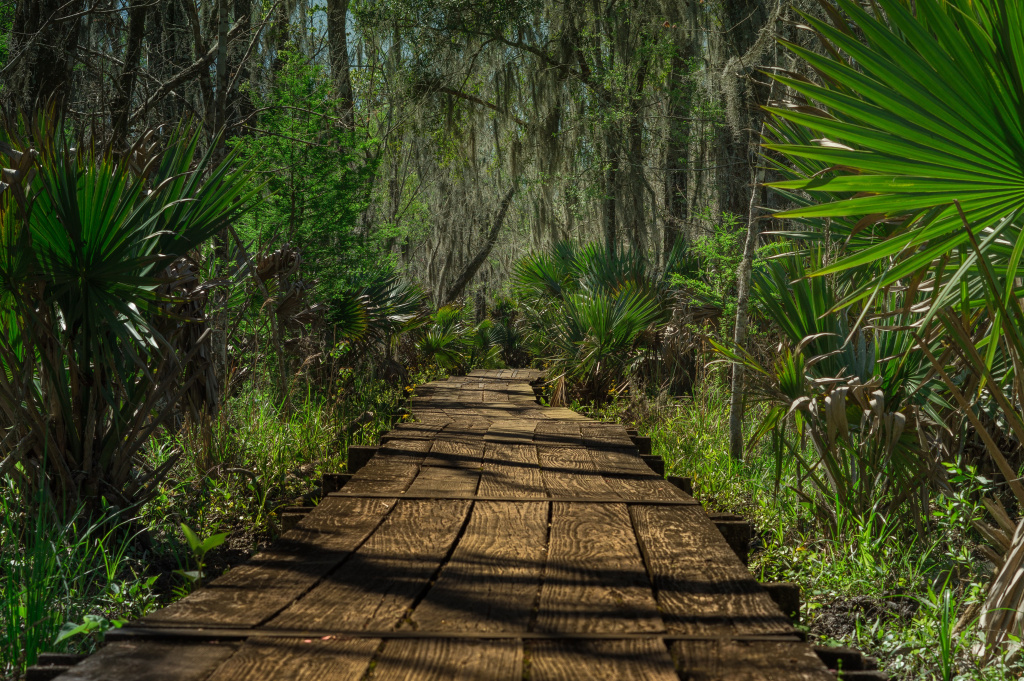
The Lafitte Reserve is located outside of New Orleans but close to it. The swampy area is 37 square miles and has become a haven for rare animals. Watching alligators in their natural habitat is the most popular thing to do, which draws crowds of tourists every year.
Six natural areas make up the National Historical Park. They're all interesting in their own way. The park is a delight for both sophisticated adults and kids.
Royal Street runs through New Orleans' French Quarter. The first buildings here date back to the 18th century, and a lot of them are still standing. Walking down King Street is a treat, from the bright facades to the tasty smells of the cafes to the pulsing jazz of the clubs. You'll find art galleries with traditional and contemporary exhibitions in some buildings.
After the release of the films «Interview with the Vampire» and «Dracula 2000», this ancient cemetery became world famous. A lot of vampire movies are filmed here. There's something enchanting and frightening about the crypt scenes. There are more than a thousand crypts on the cemetery's territory, each an architectural treasure.
350 acres of gorgeous scenery for a stroll by yourself or with friends. Near the park is the aquarium building and the zoo. Kids and adults will love it. There are also recreational facilities inside the park. For instance, a golf course built in the late XIX century and then rebuilt in the XXI century.
St. Louis Cathedral was built on the site of three churches that were there at the beginning and the end of the XVIII century. The central tower of the cathedral, where the bell tower and the clock are, was finished in the 19th century. At the end of the XX century, the cathedral became a basilica.
This museum is like a magic shop with tap bottles, jars of various ingredients, and antique medical instruments. For a modern person living in a big city, it's just like any pharmacy from the early 1900s. Aside from general-purpose tools, the exposition features highly specialized equipment, like dental equipment.