$ (USD)
English


You're the crown of the moon, Venice, city of lovers! Venetians sing of Venice in "Truffaldino of Bergamo. The city of love, the city of canals, the city of magic. There's no other name for it. The city is situated on two islands connected by four bridges, and partly on the mainland. The first settlements here appeared in the 5th century AD. Lots has changed since then.
Now Venice is filled with palaces with a lot of different facades. A lot of the city's museums feature the best masters and artists from Italy. There is still a cafe in the city called "Florian". A trip to Venice in any season offers a variety of things to see and do.
Venice's Grand Canal is popularly called "the main street of the city." It runs almost four kilometers from the station to the customs building. This canal reaches a depth of five meters at its deepest point. It's almost 70 meters wide at its widest point.
Canals aren't artificial, they're natural. At first, it was a channel between two islands, on which Venice was built. You'll see the most beautiful buildings of the city when you walk along the canal. You can also see the canal from the height of the bridges, all of which were built.
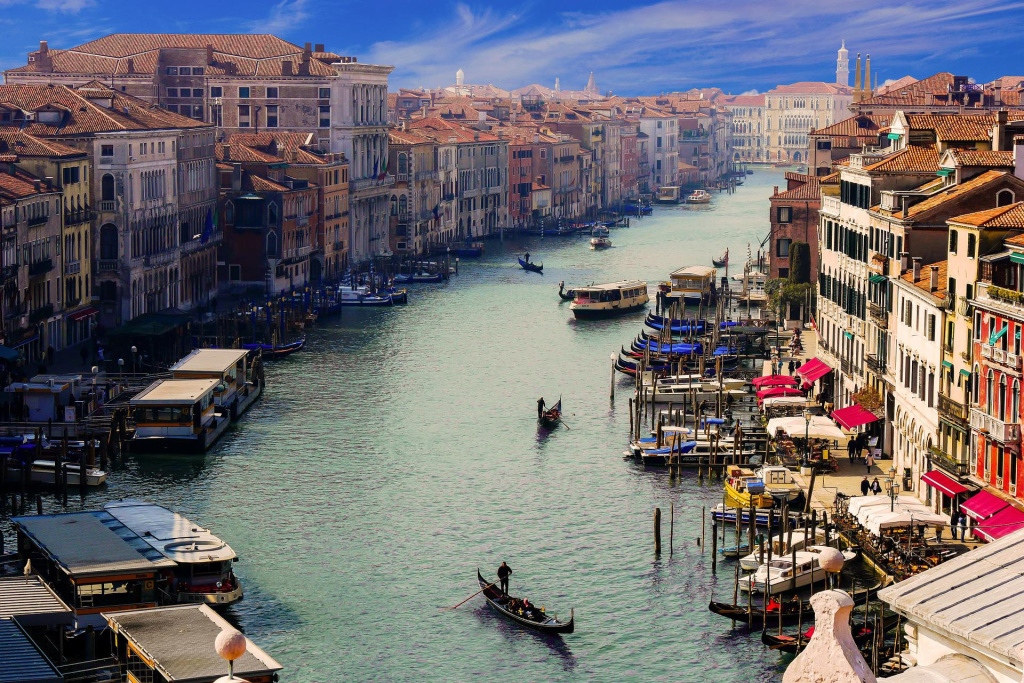
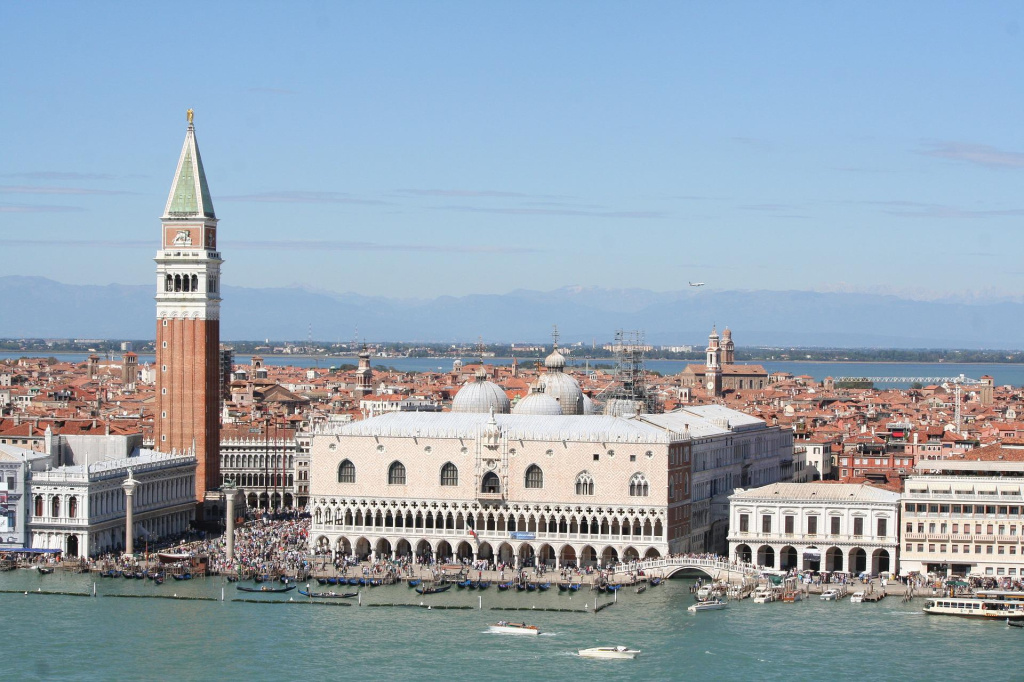
The Grand Canal is the city's main artery, and Piazza San Marco is its heart. The square is 175 meters long and 82 meters wide now. It was once just a square in front of St. Mark's Cathedral, which had just been completed in the IX century.
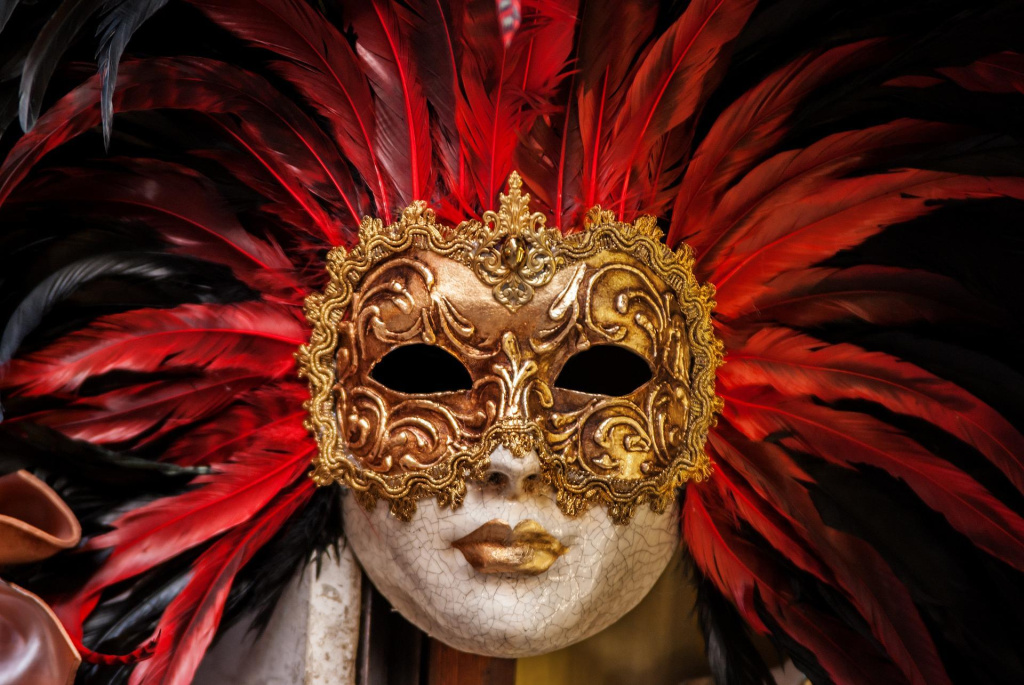
There was a new tradition born in this square in the XII century – to hold Venice Carnival there. The tradition lives on to this day.
The St. Mark's Tower is close to the same-named square in the city center. In both its global forms and its details, it's an amazing example of Renaissance architecture.
The clock tower was built at the end of the 15th century, but has been reconstructed several times. In addition, the mechanism of the clock was modified during one of the reconstructions. St. Mark's Tower is now a part of the Venice Public Foundation of museums.
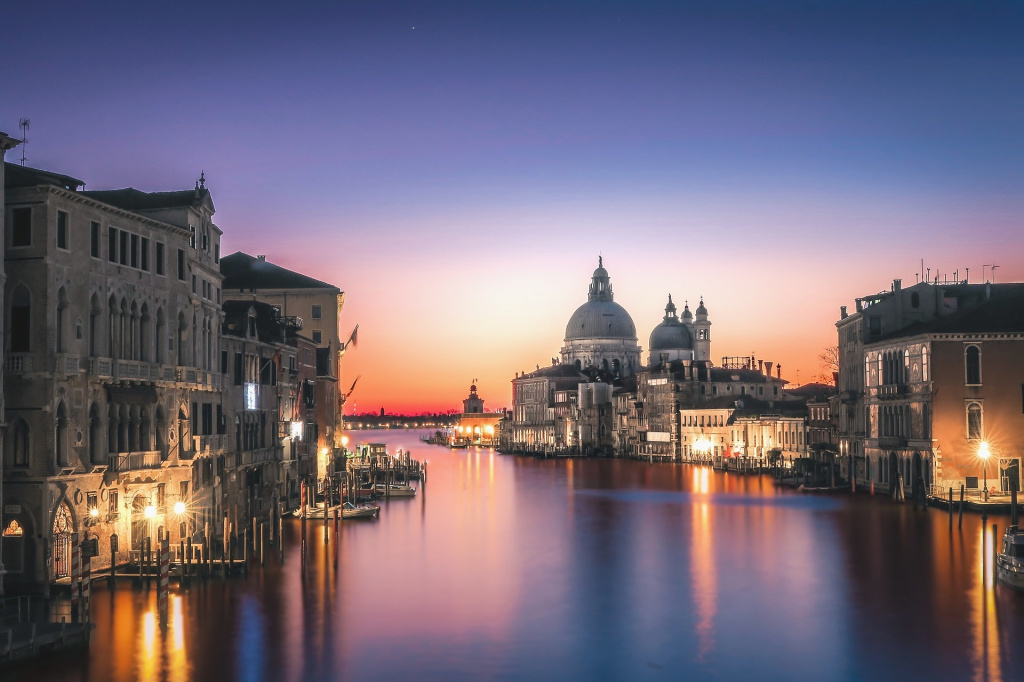
The cathedral is impressive, so it can't help but draw attention. The tradition of celebrating the Festa della Salute in the cathedral still exists today. The holiday commemorates the end of the plague that nearly destroyed the city in the 17th century.
Fortunately, the disease was defeated, and as a result, the government of Venice built the cathedral of Santa Maria della Salute. The cathedral took more than 50 years to build. It's one of the most beautiful and majestic buildings in town now. Walls and ceiling are covered in frescoes.
Santa Maria Gloriosa dei Frari Cathedral was built by Franciscan monks in the late 14th century. A monk donated the land where the cathedral now stands to the Doge of Venice. Several decorative elements and white statues decorate the building. The cathedral is divided into three parts by columns.
Santa Maria Gloriosa dei Frari is considered the most majestic cathedral in Venice. The church is always packed with photographers who take high-quality pictures of tourists in front of the cathedral for a small fee.
A relatively small island served as home to the Roman Empire's residents. There were several houses and acres of grapes and cypresses there. That's why San Giorgio Maggiore was called the "cypress island" in ancient records.
In the X century, the Benedictine monastery was built on these lands, which survived many upheavals, including the biggest earthquake ever. Most of the buildings are still standing today. Some have been partially rebuilt. The island is now open to tourists.
Venice's most famous attraction is right in the heart of the city. It's in Gothic style. It's a reconstruction, unfortunately, the original building was damaged in fires. As a result, the palace architecture spanned several eras.
Currently, the Doge's Palace is home to an art museum containing paintings by a variety of authors, mostly of Italian descent. In the past, the building was used as a meeting place for the Venetian government. In addition, it housed the private apartments of the Doge, the ruler of the city.
Ca' Rezzonico has art created by 18th century masters. Here you can see a lot of different types of exhibits: from paintings to porcelain vases, from clothing to furniture. The Rezzonico family, one of the most powerful families in Venice, built the museum.
Clement XIII was even elected pope by one of the family's representatives. The museum is in one of the Rezzonico family's palaces in Venice.
The Golden House is another name for the Santa Sofia Palace. It faces the Grand Canal and is a marvel of Gothic architecture. The decorations are really cool too.
Marble tiles of different colors line the facade, and gold leaf elements decorate it. The gilding on the façade has faded over the years, so it looks somewhat different now. The palazzo is still majestic and impressive, though.
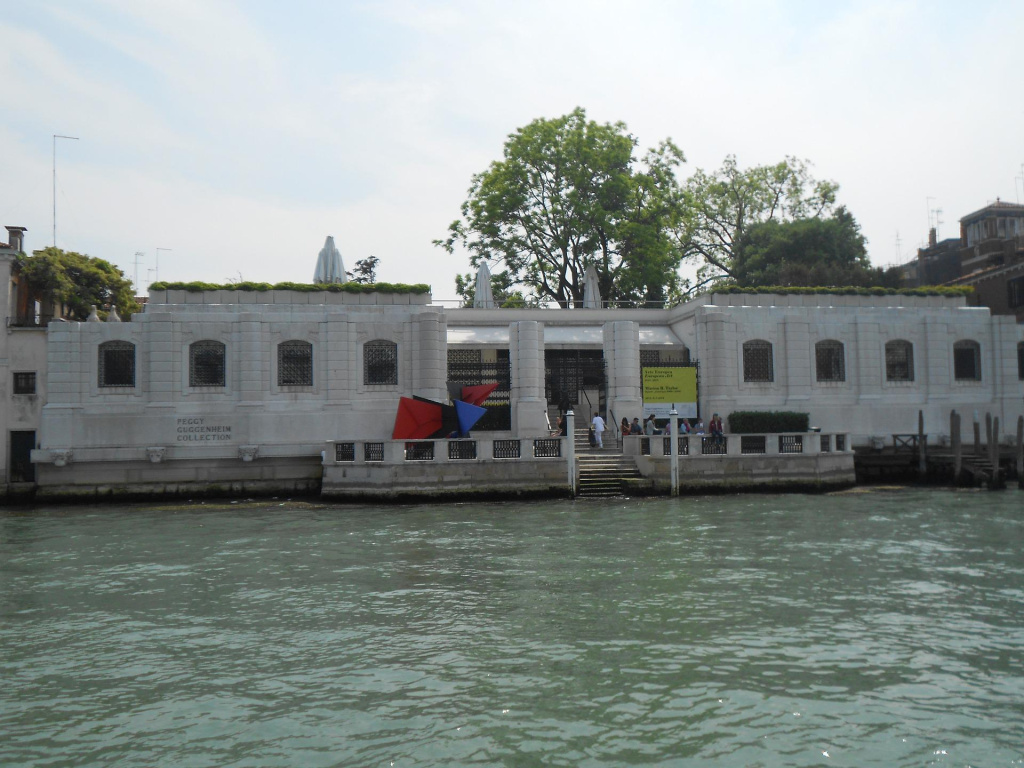
Palazzo Venier dei Leon is where the Peggy Guggenheim collection is. You can see both permanent and temporary exhibitions there. There are exhibits of artists and sculptors in the styles of Futurism, Expressionism, Surrealism, Cubism, etc. More than 300 paintings by different authors are on display here.
In Russian, La Fenice means Phoenix. San Benedetto, one of Florence's finest theaters, was destroyed by fire in the 18th century, and the building was built to replace it. Milan's La Scala Theater inspired the interior of La Fenice. It has columns and statues outside.
La Fenice's official symbol is a golden bird depicted on a blue background, which stands out particularly. There was a fire at La Fenice as well, but it was rebuilt by locals. In the first decade of the 21st century, the Phoenix was resurrected and reopened.
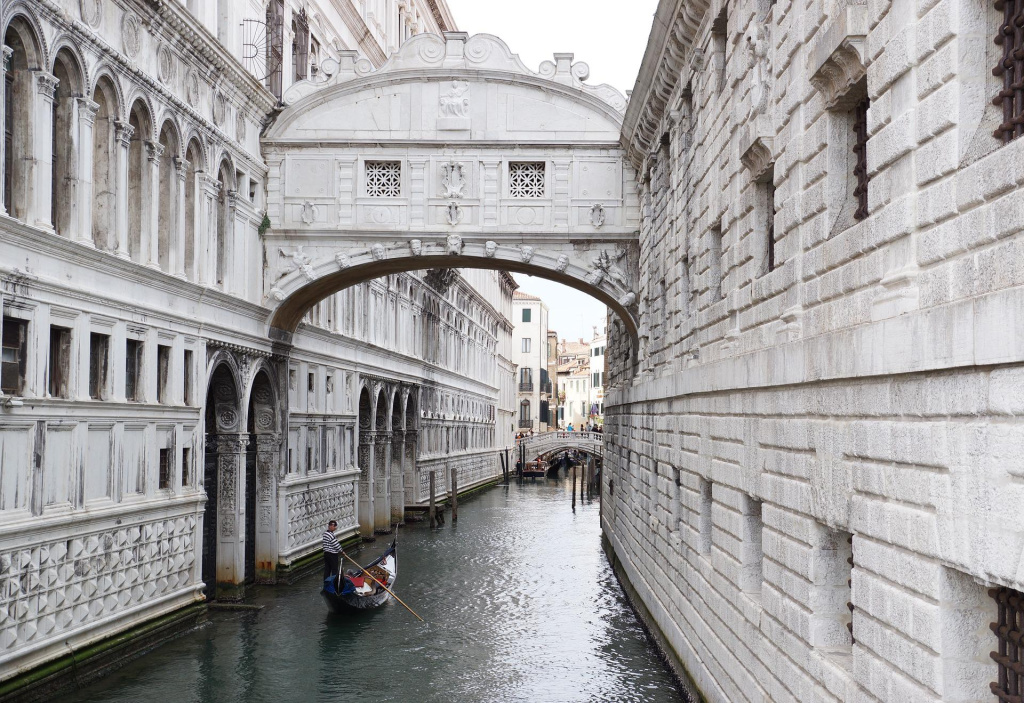
Bridge of Sighs is a great example of Baroque architecture. Thanks to its harmonious shape and a lot of decorations, the carved construction seems lightweight. White highlights the green of the water and the blue of the sky, which adds even more airiness to the bridge.
At the beginning of the 17th century, the Bridge of Sighs appeared. It's almost 11 meters long. It's between two buildings: the Doge's Palace and the New Prison Building. There's a reason the bridge's name is "sighs". Sighs were prisoners who were taken across the bridge from the courthouse to the prison.
The Correr is one of the biggest art museums in town. Much of the exhibition is dedicated to the history of Venice and the Venetian Republic.
Theodore Correr, after whom the museum is named, amassed the museum's first collection in the 19th century. The original museum was in the palace with the same name, but the growing collection made it necessary to move to the new one.
With a huge collection of Venetian paintings from the thirteenth to eighteenth centuries, the Accademia Gallery has something for everyone. There are works by Bellini, Veronese, and Titian. You can combine your visit with a ride on the vaporetto and admire the beautiful Venetian houses.
Rialto Bridge was the first bridge connecting the two banks of the Grand Canal. Located in the narrowest part of the canal, it has more than 10,000 piles. The bridge was badly damaged by fires like a lot of buildings in Venice.
It burned down completely in the 14th century but was rebuilt. It is one of the most popular tourist destinations. By 2020, you'll find more than 20 different souvenir shops near the bridge, where you can find gifts for everyone.
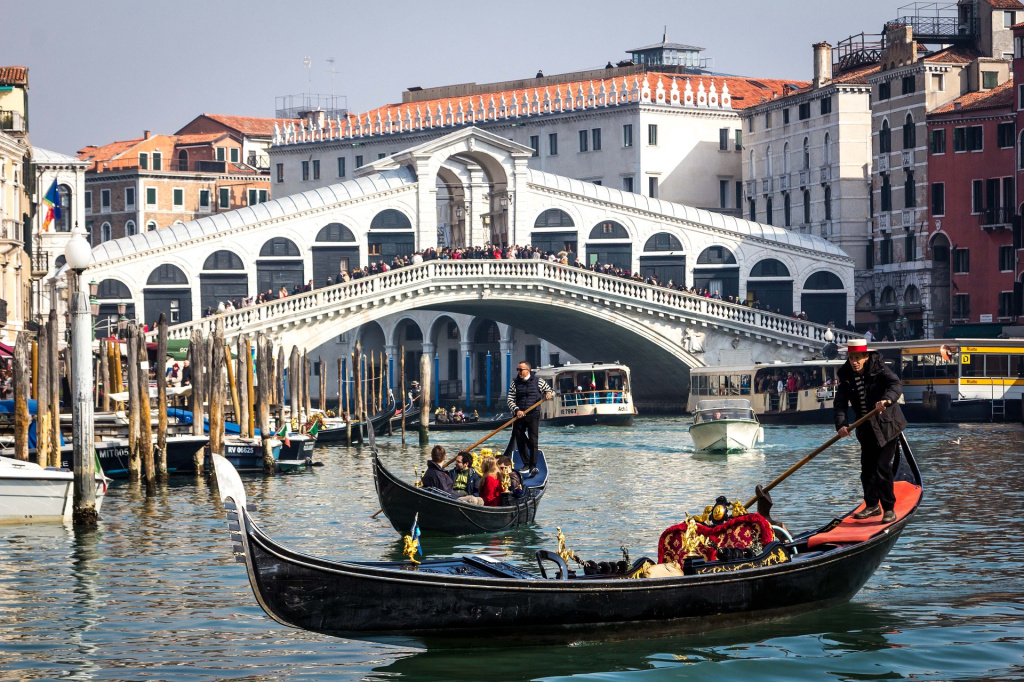
Locals and tourists love Rialto Market, right next to the Rialto Bridge, the oldest bridge over the Grand Canal. The market is split into two parts: one selling seafood and one selling fruits and veggies.
The market is always crowded because it has the freshest products at reasonable prices. The area is also full of antique and souvenir shops. Shoppers will find something they'll like.
The oldest café in Europe was opened in the early 18th century, and it's called Caffè Florian. In these walls have dined the most famous people of all time: Casanova, Rousseau, Lord Byron, and even Brodsky. The cafe prices are a little high, so in this sense Florian is more like a restaurant.
Murano glass is famous all over the world. Some of the best masters of their craft have been nurtured here for centuries. Up until the XIII century, Venetian glass was made on the island of Murano, but eventually it moved out.
Safety measures dictated this. Venetian buildings are mostly wood, so fires often break out in the city starting from the glass workshops.
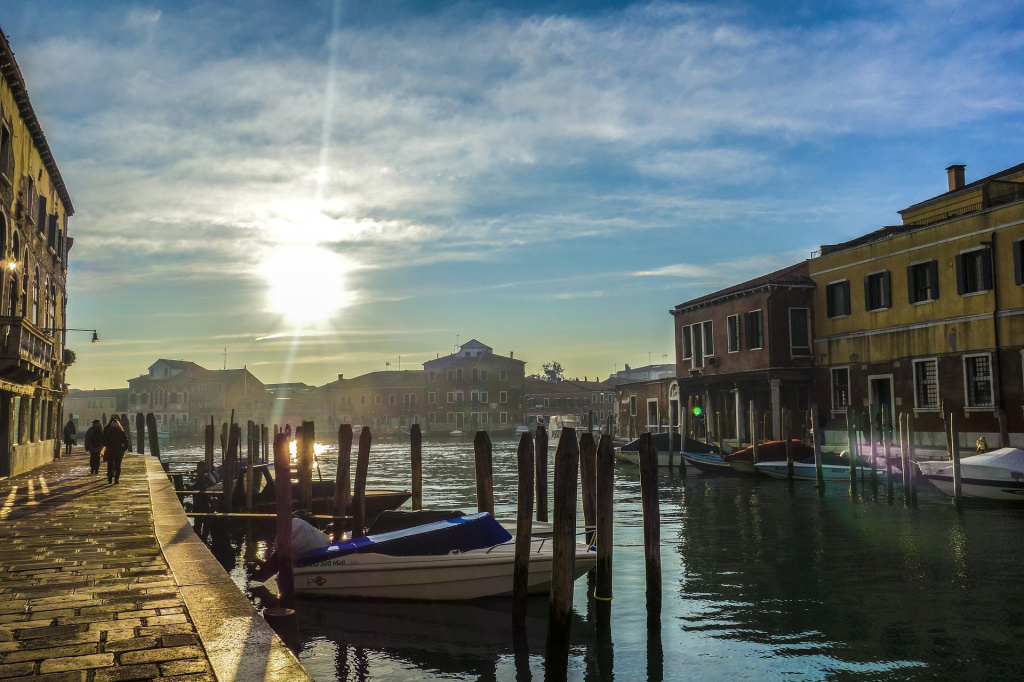
Images of Burano, an island full of color, are popular postcard subjects. The island of Murano is known for its master glassmakers, and Burano is known for its master lacemakers. The Venetian craftsmen mastered the most sophisticated lacemaking techniques and became famous around the world.
You're sure to be in a good mood after a walk around the island. Different colors paint the low houses: lemon yellow, rich brick red, deep blue. They look like toys against the blue sky.
The Constitution Bridge is one of four bridges that span the Grand Canal. It was built last at the end of the 20th century. The design contrasts sharply with the city's oldest bridge, showing the difference in centuries.
Towards the middle, the curved arch of the bridge gets wider, reaching a mark of 9 meters. The length of the structure is about 80 meters. It's a favorite spot for tourists and locals alike.
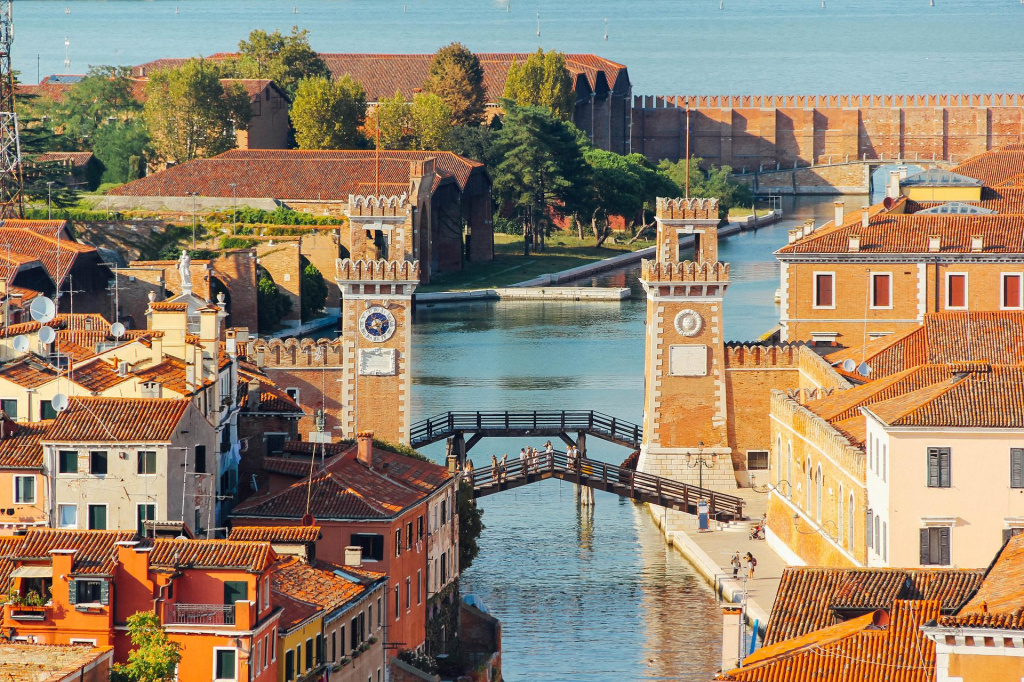
Venetian Arsenal is a whole complex of buildings with a forge, shipyard, armory, and various workshops. You'll learn about how ships were repaired in Venice, what each building is for, and what it's famous for.
There are two entrances to the Arsenal, one on the seaside and one on the landside. A key point where new and more advanced armaments were created and was Venice's center of power in times of war.
Venice's largest library is the Biblioteca Marciana, or St. Mark's Library. The collection contains rare books from the dawn of printing.
There are more than 30,000 ancient manuscripts and books, including the rarest volumes on anatomy with illustrations. It's split into several departments, each with its own schedule.
Carnival is one of Venice's oldest traditions, making the city famous around the world. Vivid images, merriment, and a feeling of intoxicating festivity. There's a sense that the rest of the world doesn't exist during the festival days. It's important to see how the fairy tale is embodied in reality at least once in your life in the author's tour at the carnival.
San Simeon-Piccolo sounds like the Church of St. Simon and Judas, but it's rarely referred to like that. The church was built in the early 18th century in a Neoclassical style. This building stands out because of its interesting proportions and huge upwardly extended dome. Venetian anecdotes often mention this.
On the site of an old clock tower, the Campanile was built in the 8th century AD. The castle was gradually rebuilt and modified until it was the way it is today by the 16th century. Currently, the bell tower is a reconstruction of a tower that collapsed in the 20th century.
Interestingly, this collapse was predicted because just a few days before it happened, a noticeable crack appeared on the building. So no one in the city was hurt, since everyone had time to prepare for the collapse.