$ (USD)
English


Often South Africa is associated with untouched nature, wilderness, danger of contracting malaria and lack of civilization. In fact, the cities of Namibia are imbued with southern aristocracy and colonial atmosphere, and its indigenous people are even considered to be the most cheerful and peaceful people in the world. Namibia’s numerous national parks, high sand dunes and exotic dishes can amaze even the most sophisticated of travelers.

If you plan to stay in Namibia for less than 90 days, you can get a visa at the port of entry free of charge, but you will still need the following:
1) passport with at least six months of validity remaining beyond your planned date of exit and two or more unstamped visa pages;
2) return ticket;
3) proof of funds and hotel booking confirmation;
4) migration card (you can get it at passport control or on the plane);
5) negative COVID-19 test, issued no longer that 72 hours prior to your flight. Bear in mind tourists are required to get another test on the 5th day of stay.

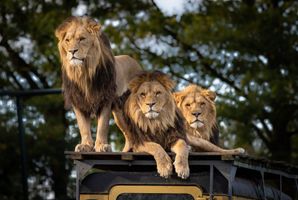
First of all, explore best safari's spots. Namibia has 26 national parks, and Etosha National Park is the best of them. Located around the salt lake of the same name in the northern part of the country, Etosha offers visitors an opportunity to see the African Big Five: elephant, rhinoceros (including the endangered black rhinoceros), buffalo, lion and leopard, as well as the rarest black-faced impala. The best time to visit is in winter (from May to October): the grass and shrubs fade and do not block the view, the reservoirs diminish, so many animals gather in one place and are easy to spot. Go on a safari and don’t forget your binoculars.

Explore ethnic tour destination around country. The indigenous people of the Himba tribe live in the northwestern region of Namibia, Kunene, and in the south of Angola. These are very good-natured and smiling people who live the way their ancestors did and do not enjoy the benefits of civilization. They are engaged in cattle breeding and agriculture, believe in local gods and honor traditions. Women raise children, build huts that are called "kraal", weave jewelry from leather, copper and iron, while men graze cattle. It is best to go to the Himba village with a local guide who will make arrangements with the chief about the travelers' stay in the tribal territory.
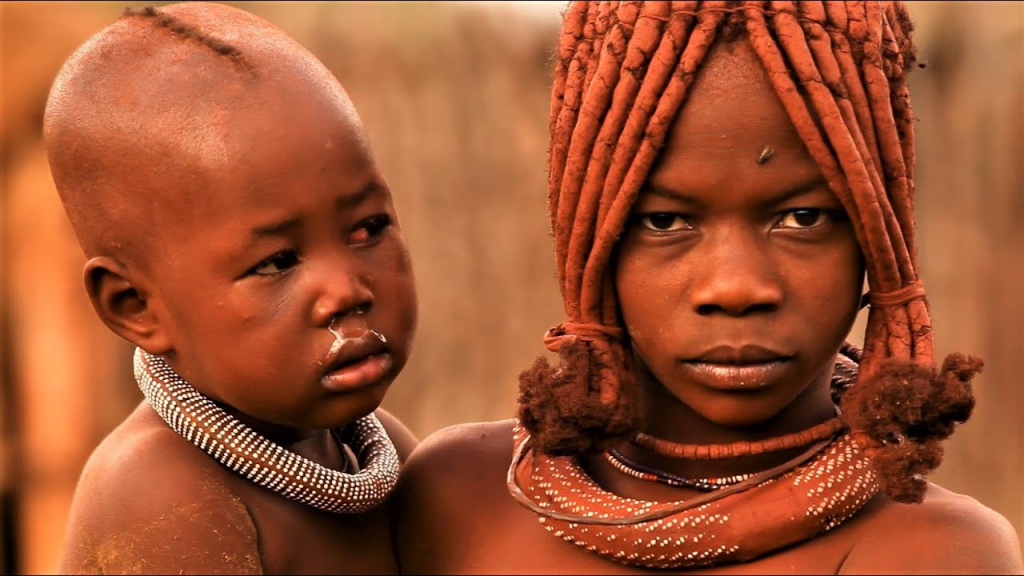 Фото: youtube.com
The white plateau of Sossusflei, surrounded by 300 meter high red sand dunes and dead trees rooted in clay offers the view that is considered one of the most stunning views in the world. Fierce winds change the shape of the dunes every minute, and sunrises and sunsets play with their color. Watch the sunrise on the crest of a sand dune in the Namib Desert — that is truly an experience you will remember your entire life.

In Namibia you can try many exotic dishes such as crocodile, ostrich or giraffe steak. Dishes from different types of antelopes (kudu, oryx, impala, etc.) are also very popular. Try biltong — a spicy jerky, most commonly made from kudu antelope, but you can also find unusual biltong from other meats. Be sure to sample oysters in coastal towns with oyster farms such as Luderitz, Swakopmund or Walvis Bay.
 Фото: simpleslim.ru
If you want to feel like a character from a post-apocalyptic film, head to Kolmanskop, a ghost town in the Namib Desert. It was founded by German colonists back in 1908, when diamond mines were discovered in this region. In 1954, after diamond reserves ran dry, Kolmanskop was abandoned and left at the mercy of the desert. Old half-collapsed houses, built on the models of German architecture and swept by the sands, will appeal to many fans of science fiction.
 Фото: adventuretime.pro