$ (USD)
English


Japan's capital, Tokyo, is a unique city that's very popular with tourists from all over the world. It's in a lot of movies, TV shows, and music videos, so even people who skipped geography in school know about it. The Japanese capital is a popular cultural hub, where life goes on around the clock.
It has taken less than half a century for Edo, a quiet fishing village, to become the bustling metropolis of Tokyo. The relentless energy and bold architecture, the tangled web of the subway, and the bright and never-fading street lights blend together here. With its centuries-old culture and cutting-edge technology, the island empire is a diverse metropolis with ancient traditions.
The endless attractions of the Japanese capital are represented by unique attractions that reveal the capital's history and show its roots. The secrets of the capital city are revealed by its spiritual origins and friendly locals.
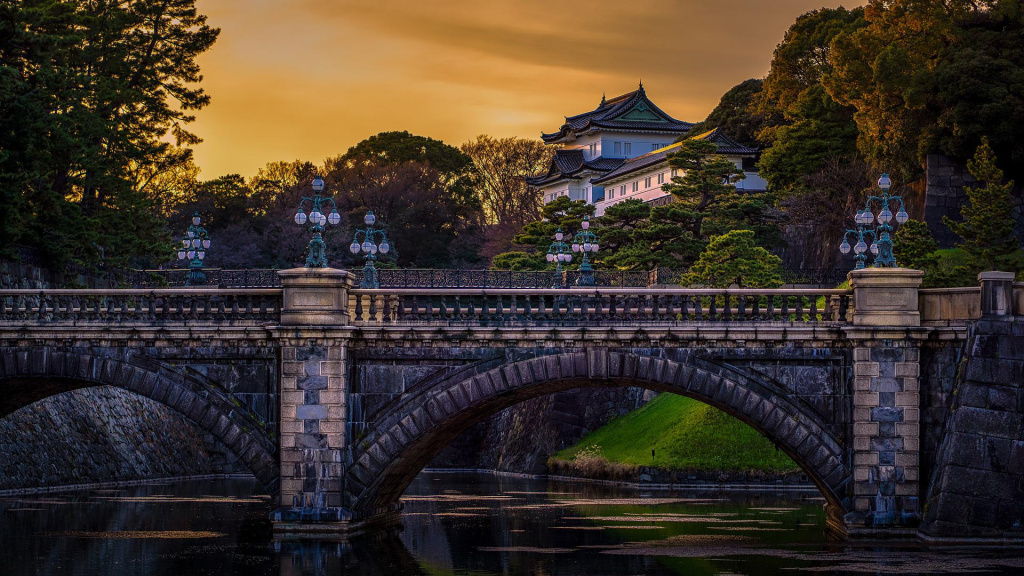
The Imperial Palace has been the residence of successive rulers since 1868. It has a palace complex where the Emperor performs official duties. Various ceremonies and public events are held there, too.
The Imperial Court Agency and the palace silk center are also important buildings in the palace. The dowager Shoken, wife of Meiji, established rules in 1871 for cultivating mulberry silkworms. Located in the eastern part of the grounds, these gardens are open to the public.
Japan's Tsukiji is the biggest seafood market. The wholesale area has been moved. In the enclosed building of the Toyosu market was the tourist favorite, where tuna auctions were regularly held.
There was a glassed-in area for visitors. The huge fish was cut up and auctioned there for visitors to see. You can go straight to the auction by appointment. In the upper floors of the new market are retailers and small restaurants with delicious fish dishes.
There's a garden called Hamarikyu that has tidal ponds surrounded by camellias, azaleas, peonies, sakura, and 300-year-old Japanese pines. Hamarikyu opened its doors to tourists in late 1946. Before, it belonged to the imperial dynasty.
In early 2010, a replica of the Pine Tree Tea House was built next to the pond. Anyone can go to the real Japanese tea ceremony today, for a small fee. In the fall, the leaves turn bright yellow, orange, and purple, and in the spring the flowers bloom.

At the time of its construction, the Tokyo Television Tower was the tallest steel structure in the world. From 332 meters up, tourists can enjoy the city's beauty through the «eyes» of a bird. Easily recognizable, it looks like the Eiffel Tower in Paris.
The observation deck offers a breathtaking view, so it's popular with travelers. It's best to go after dark, when the capital of Japan is lit up with a million lights.
Roppongi Quarter is the center of nightlife in Japan's capital. It's called the foreigners' district because it's near an embassy and a lot of expats live there. When I was a kid, the neighborhood was one of the most dangerous urban areas controlled by the Yakuza.
Currently it has skyscrapers that house luxurious housing, offices of renowned companies, restaurants and cafeterias serving Japanese and European cuisine. Casinos, strip clubs and other entertainment venues have popped up in the neighborhood because of the rapid development.
Early in 2007, the first people visited the Tokyo National Center for the Arts. Kisho Kurokawa designed this wave-shaped building. That's what makes it unique.
The glass facade lets a lot of light in and retains ultraviolet rays. Workshops, conferences, and exhibitions take place here pretty regularly. It's in Roppongi, a trendy neighborhood in Tokyo.

Shibuya Crossing is the most iconic place in Tokyo. Three huge screens and numerous billboards decorate the facades of the surrounding buildings. Tourists and locals gather at the main intersection every day.
People who come here for the first time are confused by the amount of people walking at once. You can cross the 7 roads on your own or take some memorable photos from Shibuya Bridge, which is right next door.
Hachiko is the most famous dog who became an example of a boundless devotion. It ran to the station with its master every day when he went to work and met him at night. For nine years, the dog kept looking for Hidezaburo Ueno after the professor died from a heart attack.
A bronze statue of Hachiko, in the form of a sitting dog, was erected in 1934. During World War II, the monument was given to the military. In 1948, it was returned to its original location. Lots of couples come to swear allegiance to it.
The Meiji Temple, located in the Shibuya district, is one of Japan's most popular temples. A huge part of its popularity is its magnificent designs and lush gardens, where serenity and tranquility can be found in abundance, something not often found in megacities.
Meiji named the place after himself. The temple was built for the ruler's wife, Shoken. Each year, worshipers from all over Japan come here to take in the spiritual beauty.

Originally, Shinjuku Gyoen was built on the site of Lord Naito's private mansion. It started as an imperial garden in 1906, then became a national park after the war.
It's a 58.3-hectare garden with 10,000 trees. The cherry blossoms of spring, the soft greens of summer, the chrysanthemums and colorful leaves of autumn, and the snowy landscapes of winter make Shinjuku Goen a great place to enjoy the changing seasons.
Visiting Japan's capital and not seeing a Kabukiza Theater performance would be a crime. Actors pass down every gesture and pose from generation to generation at the theater. The building was built in 1889 and has undergone several renovations.
At the entrance, there's a makeshift stage. This 1,964-seat auditorium is usually crowded with tourists and Japanese who honor the old national tradition. The performances are in old Japanese with live music.
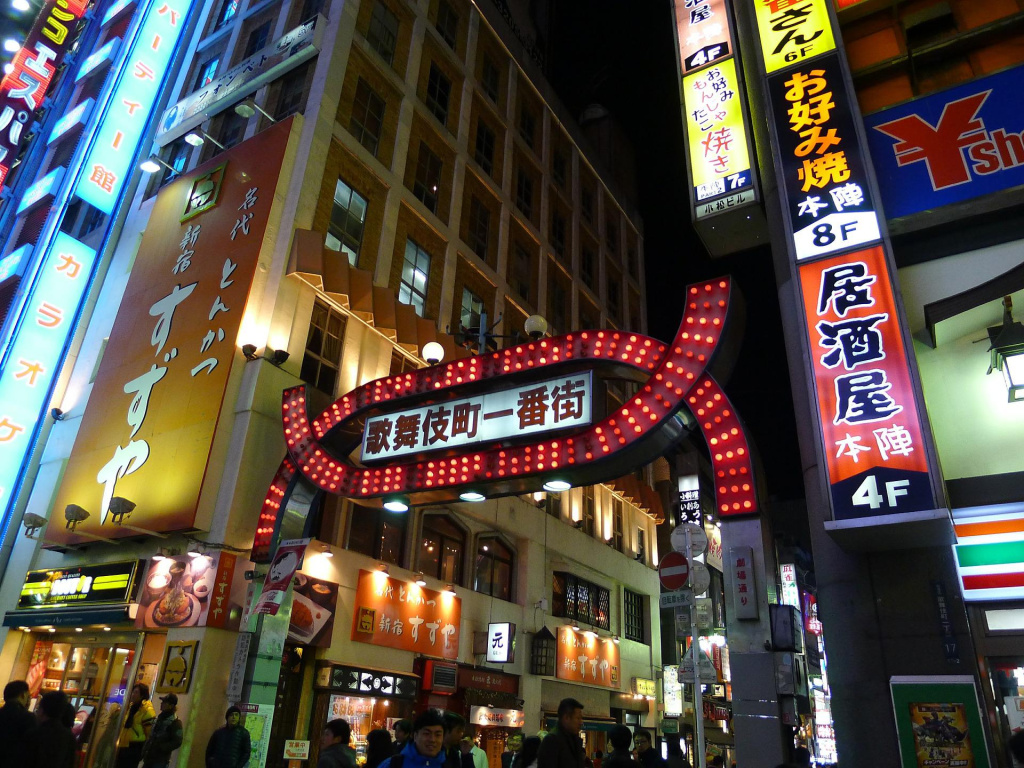
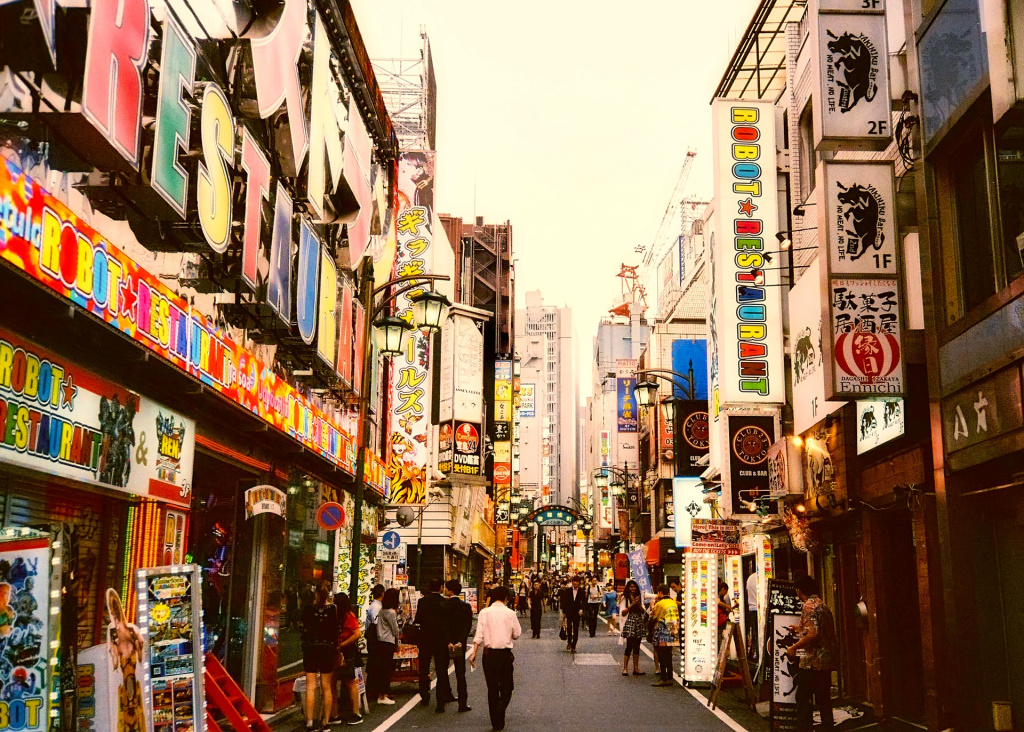
Kabukichō is a part of the Japanese capital with a unique history. On the site of the modern quarter was a swamp where the nobility shot ducks. Eventually, a small settlement appeared here, which was part of Tokyo before World War II.
There's something here for everyone today. Check out a movie premiere in a theater, relax in a bar, play some slots, or stay in the lava hotel. The neighborhood has been dubbed «the never-sleeping neighborhood», since it's always buzzing with activity.
Yasukuni Jinja got its start in a shrine called Shokonsha in Kudan in Tokyo, founded in the second year of the Meiji era. Over 2,466,000 deities, the ones who made the supreme sacrifice for the nation since 1853, now rest here.
It's a place where the fallen are remembered in Shinto tradition. Yasukuni Jinja is where the dead are worshipped. Therefore, shrines are very different from tombs, where fallen warriors' bodies are buried.
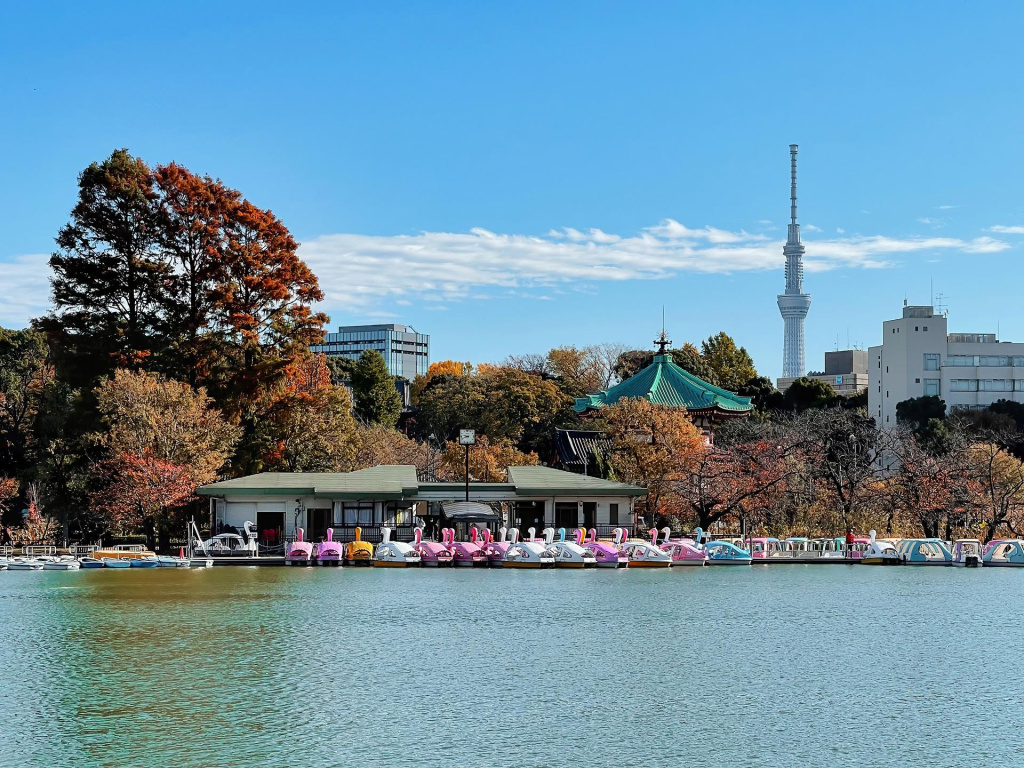
In the middle of the Japanese capital is the largest park, Ueno, with 50 hectares. The huge space found room for museum complexes, a zoo, beautiful alleys and secluded areas for recreation. During cherry blossom season, the park is filled with tourists from all over.
During the summer months, visitors enjoy the lotus blossoms by the Shinobazu temple. Take time to visit the national museum, art gallery, and nature exhibition while strolling through the park.
Uenoko Zoological Garden is Japan's oldest. It opened in 1882 and has grown and expanded ever since. Now it's home to 3,000 animals of 400 different species, which people who come for entertainment and recreation enjoy seeing.
Animals from abroad have been brought to Ueno Zoo throughout its long history. The first giant pandas came from China in 1972. The «Gorilla» and «Tiger» forests let guests see these amazing creatures up close.
Tokyo National Museum Complex keeps and preserves an extensive collection of unique artifacts. Paintings by great artists and artifacts from Japan and other Asian countries are shown here. Books, drawings, and photos are also on display.
Taiseiden's halls hosted the first exhibition. The Department of Education organized it. The museum moved before it could receive its first visitors to Uchiyamashita-teo. But in 1882, it was decided to move it back to Ueno.

The National Museum Complex dedicated to Western Art was established in April 1959. Paintings by the Impressionists and sculptures by Auguste Rodin make up the bulk of the collection. The exhibits were donated by the French government.
It contains works by Matsukata as well as Renaissance stuff. The museum complex has constantly been adding new masterpieces to its collection throughout its existence.
Senso-ji is the oldest temple in Tokyo, also known as Asakusa Kannon. The temple is famous all over Japan. About 30 million people come here every year. The temple's main image is the sacred Bodhisattva Avalokiteshvara.
He is known as the most compassionate lord, relieving suffering and answering prayers with great benevolence. The main hall has two masterpieces of calligraphy by Noguchi Sekko, one of the three best calligraphers of the Edo period.
In 2012, Tokyo authorities finished building Skytree TV Tower's state-of-the-art broadcasting center. With a grandiose height of 634 m, the tower provides mobile and navigation operators with digital broadcast. The Japanese call it 'Skytree', and it has two viewing platforms.
You can have a great view of the city from the lower one, which is 350 meters high. However, the top platform at 445 meters is more popular with tourists. In the tower there's a spiral ramp that takes you up 75 m. There's an aquarium, a postal museum, and a planetarium.

As a place to reflect on historical and cultural values, the Edo-Tokyo Museum Complex opened its doors in 1993. Built like a raised-floor warehouse, the facility has become a popular tourist destination since opening. Visitors can take a trip through 400 years of Edo-Tokyo history since Tokugawa Ieyasu's time with this permanent exhibit.
To provide a crossing over Tokyo Bay, the Rainbow Bridge was built from the Shibaura shipyard to the Odaibe area. While the technical features of the building can't exactly be called outstanding, it still made it into the top 100 in the country. Thanks to the unique lighting.
In the evening, the bridge is lit up in different colors, making it look more like an art piece than a bridge. From the northern bridge deck, tourists can see the lights of the central capital in the evening. To the south, there's a view of Tokyo Bay.
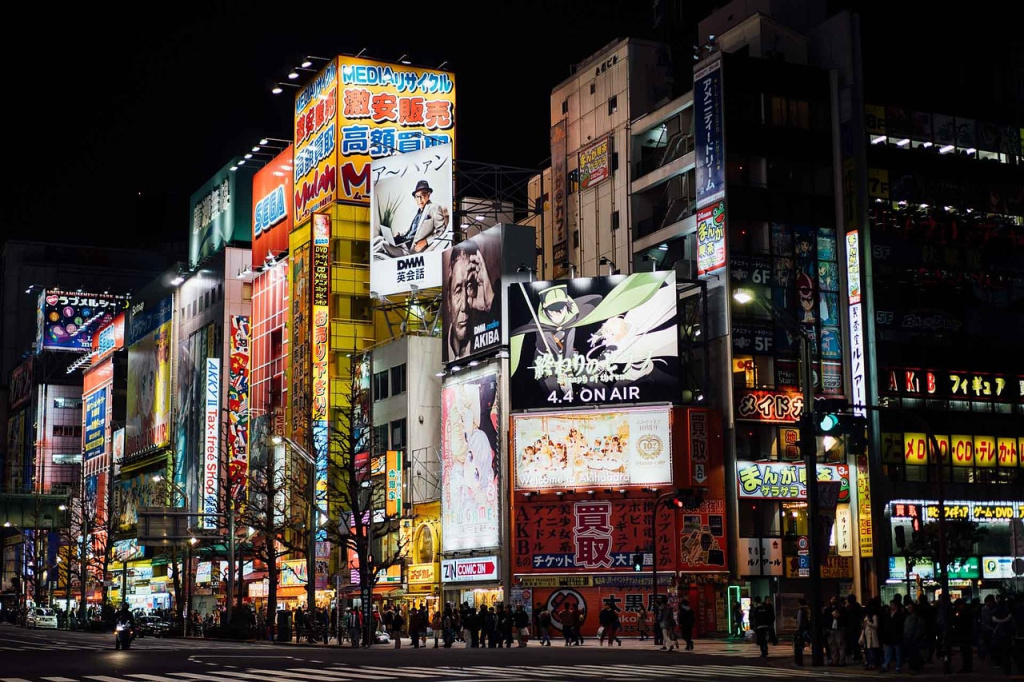
In Japan's capital, Akihabara is the largest world-class shopping district. Computers, electronics, software, game consoles, and other gadgets are for sale. It's a cult place for anime fans.
There are daily events about Japanese animation. Tourists like to shop at the Don Quijote shopping center, where you can find anything at a bargain price thanks to regular sales and discounts. Cafes, theaters, and clubs are also in the area.
Anime is not only popular in Japan, but also around the globe. The largest animation center Ghibli, founded in 1985, gives you a chance to see the peculiarities of this art. Tickets for the museum complex must be booked in advance.
Guests learn how Japanese anime evolved, see cartoon sketches, and take a tour of Miyazaki's office. There's tons of trivia in this exhibition that pops up in unexpected places. Tourists might come across a kitty on a crane, a secret passage, a tangled maze or a magic lantern.
Ginza is a Tokyo neighborhood known for its gas lanterns, French coffee shops, and European clothing stores. Chuo-dori Street is best walked on a holiday when it's closed to traffic. It's one of the most expensive areas in Japan, where land costs over a million dollars per square meter.
There are a lot of unique architectural masterpieces. Ginza's central Wako department store is pretty cool. A lot of small restaurants on the street serve traditional Japanese food.
In Shinjuku, a popular area of Tokyo, there are lots of clubs, karaoke bars, skyscrapers, luxury hotels, and restaurants. The observation deck of the government building offers a great view of Hakone Volcano.
The area is filled with galleries, theaters, and bookstores that are popular with students. All sorts of sporting events have been held at the National Stadium.
Valor being more important than one's own life shows samurai weren't just soldiers, but warriors of honor. Samurai swords and armor show off the beauty of the samurai spirit. Samurai Museum shows 700 years of samurai history from Kamakura to Edo, when Japan faced a crisis.
Guests can watch a sword show performed by professional actors who are active on stage and screen. Take pictures with your camera or cell phone while trying on a samurai helmet and battle cloak.
Asakusa is an old Tokyo neighborhood that has the famous Senso-ji temple complex and Nakamise-dori shopping street with dozens of shops with traditional handcrafts and street food.
Hanayashiki Amusement Park, which opened in the 19th century, is a favorite destination for visitors to the city. Watch a colorful fireworks display in Sumida Park and immerse yourself in the atmosphere of the festival. One of the restaurants serves Japanese food.
When you're in Tokyo, you can't miss Tokyo Disneyland. There are two parks: Disneyland itself and Disney Xi, each with its own theme. An American town of the 20th century is built in the «Universal Bazaar» area.
Adventureland introduces us to pirates of the Caribbean Sea, including Jack Sparrow. Fantasyland is filled with Disney cartoon characters.

Toyota Megaweb, a theme park based on Toyota Mega Web, closed on December 31, 2021. Established in 1999, the exhibition center introduces people to Toyota's products and development plans.
Formerly, the car museum had six exhibition halls with hundreds of models of cars ranging from the rare to the ultra-modern. It was free to test drive the latest model of the Japanese automobile concern for guests with driving licenses.
On December 30, 1927, Japan opened its first subway line between Ueno and Asakusa. The museum was built so kids could learn more about how subways work.
The museum has 7 different exhibit areas, each with a theme. More than 600 exhibits include original subway artifacts as well as model trains, posters and a unique simulator.
Originally opened in 1702, Rikugien Garden is a traditional garden in the Japanese capital. Several poems by the famous prose authors Manyoshu and Kokinshu inspired the park's design. Plaques with lines from famous poets were attached to 88 posts.
Today, only 32 of them are alive. In the middle of the garden is a beautiful lake with little islands. The park has about 7,000 trees. Cherry trees, Japanese maples, and magnolias line the alleys.

Mori Arts Center Gallery was founded by Japan's richest and most influential real estate developer, Minori Mori. The museum complex is on floors 52 and 53 of the Roppongi skyscraper. The gallery's founder collected the best exhibits in contemporary art and architecture during its tenure.
The museum has traditional sculptures and paintings, as well as unconventional forms and trends. There are also kids' exhibitions and excursions for people with disabilities.
Tokyo's Harajuku neighborhood is known for its fashion, boutiques, and theme stores. It's a mix of different cultures. There are just two small streets: Omotesando and Takeshita.
On the first, you'll find high-end restaurants and boutiques for tourists over 30. Small brand stores and secondhand shops make the second one popular with young people. Tourists love the Nezu museum complex, which has a bunch of art by Japanese artists.

The theater with the original name Noh is one of Japan's intangible cultural treasures. It has two genres: Kögen and Noh. The former is a traditional form of theater. Second, there are shows with exotic masks, carnival costumes, as well as music, singing, and dancing.
The theater stage was built by renowned architect Hosea Oe Hiroshi in 1983. With 600 seats and speakers, the hall can hold a lot of people. A performance lasts between 3 and 6 hours.
In the Shitamachi Museum Complex, visitors can immerse themselves in Tokyo's development in the early 20th century. «Lower City», as Shitamachi is translated, belonged to the Eastern Castle of Edo and was home to poor Japanese people.
There are two eras in the exhibition: Taisho and Shōwa. The exhibition shows all the depth of the atmosphere of those times. It's got rooms, alleyways, and natural-sized stalls. Visitors can touch lots of household items.