$ (USD)
English

Seoul is the capital of South Korea, which is the unofficial name of the Republic of Korea. It's considered one of the most developed countries in Asia. Here are the biggest companies making computers. In the XVII century B.C., a state was founded on these lands. There are mountains everywhere, and the highest point of the country is nearly two thousand meters.
It was once a poor country, but now it is a prosperous nation whose culture is enjoyed by people all over the world. Tourists come to Seoul primarily to eat the famous Korean cuisine, which includes a wide variety of spicy dishes. There are historical monuments, antique sites, noisy night clubs and shopping malls where you can get lost, so everyone will find something to do on tours to South Korea.
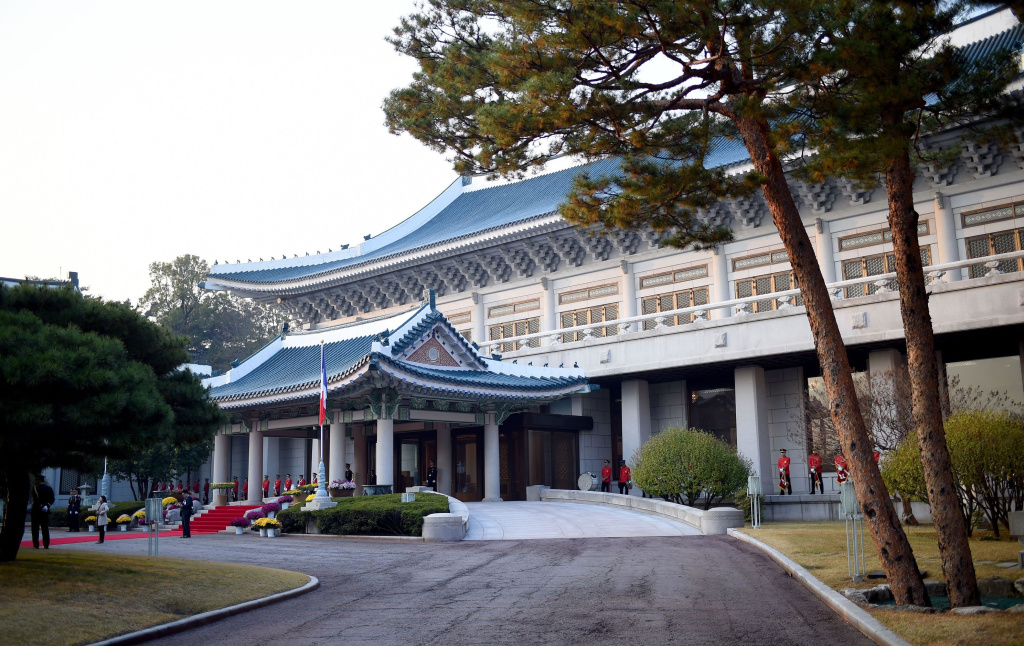
Due to the specific blue color of the tiles on the roof, this building has been dubbed the Blue House as the residence of the president of the country. It is designed in traditional Korean style. The building houses the president's office as well as several conference rooms and meeting rooms, as well as a guest house.
Only at the beginning of the 21st century did the gates open to tourists. There are still some palaces closed to visitors. Seven in all.
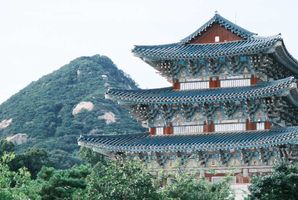
An amazing beauty park occupies a huge area. There are trails of varying difficulties here. The park is filled with a variety of plants, including maple trees. Seoraksan also has some mountains. There's a popular hiking trail through Ulsanbawi Peak.
You can take a cable car down the mountain, see waterfalls, and explore local temples. The best part is, you can stay overnight in the park.
Known as the «blossoming fortress», Hwaseong was built by King Jeongjo in memory of his father, who died of torture for trying to overthrow the previous ruler. This was built to commemorate King Jeongjo's death for trying to overthrow his father.
Now it's a UNESCO World Heritage Site. The fortress has four gates, each on a different side of the world. A unique watchtower warns of enemy approaches with a complex signaling system.
Hahoe is South Korea's national treasure and attracts a lot of tourists. Built during the Joseon Dynasty, the village dates back to the 16th century. The outline of the village morphs into a lotus.
The village was built according to feng shui principles. To this day, the locals still follow the traditions of their ancestors. Tourists who want to experience Korean culture are attracted to this.
South Korea's Jeju island is one of the most popular resorts. It has some of the best beaches in the country, equipped so that tourists and locals can enjoy the natural beauty.
Kids will love seeing dolphins and trained seals perform. Furthermore, you can dive in a submarine to a depth of more than 40 meters to see the seabed.
On the seashore is this Buddhist temple. You'll find a stunning combination of beautiful traditional architecture and lush nature. There are a lot of statues here on the temple grounds, and the stone pagoda of the four lions in particular stands out.
The path from the temple entrance to the temple building is a 108-step staircase. Best to go at night. In the evenings, the temple servants light lanterns and the place looks absolutely magical.
The island is crescent-shaped. Construction of Cheongpyeong Dam created it. «Namiseom» is the name of the general who is buried on the island. General Nami rose to fame in the fifteenth century during a period of rebellions and insurrections.
The island has a lot of interesting trees, like cedars and metasequoias. Namiseom is a favorite place for families with kids. On the island, there are plenty of playgrounds and a library with fairy tales.
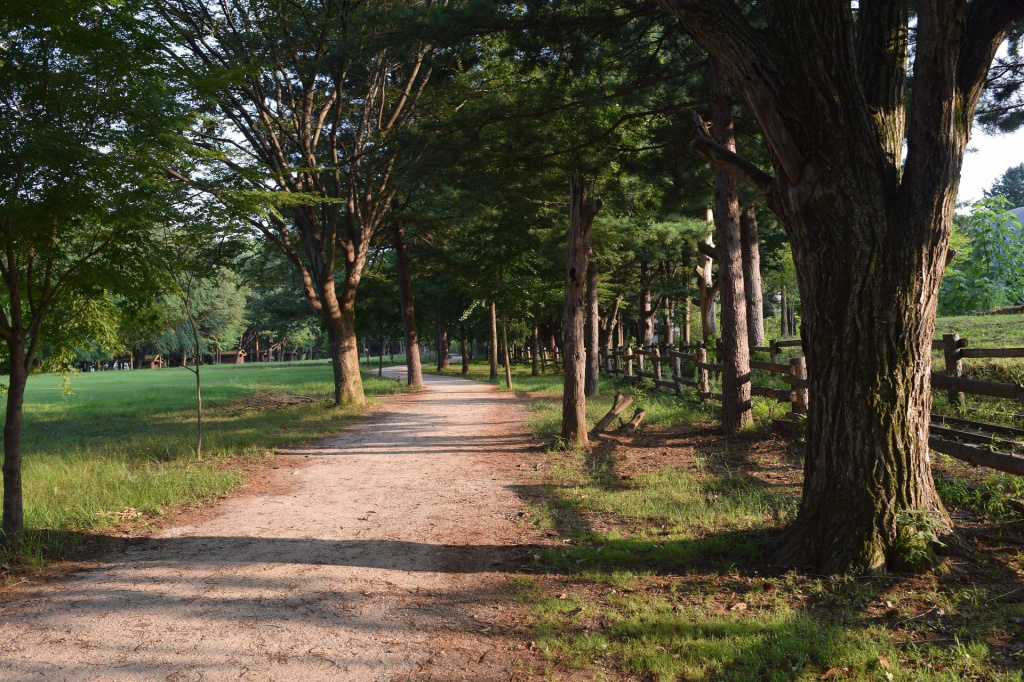
During the middle of the 20th century, a buffer zone was established between South and North Korea as a confirmation of a temporary armistice between the parties involved in the Korean War. Individual tours aren't allowed. Additionally, you'll need your passport and it's best to clarify in advance where you can take pictures.
You can get to the DMZ on the «peace train», which leaves from Seoul. The train travels through the buffer zone during the day and then back to Seoul at night. On the tour, you'll learn about the history of the country and the reasons behind the war between the two Koreas.
World-famous Buddhist temple in Korea. Completed in the 6th century AD. Hwaom Bulguksa was its name back then. Buildings of the complex have been rebuilt many times since its construction, adding more and more elements to the graceful architecture of the temple.
Almost all the wooden buildings were burned down in the 16th century. That's when Korea was at war with Japan. The major restoration of the temple buildings took a while. Parts of it are still being restored.
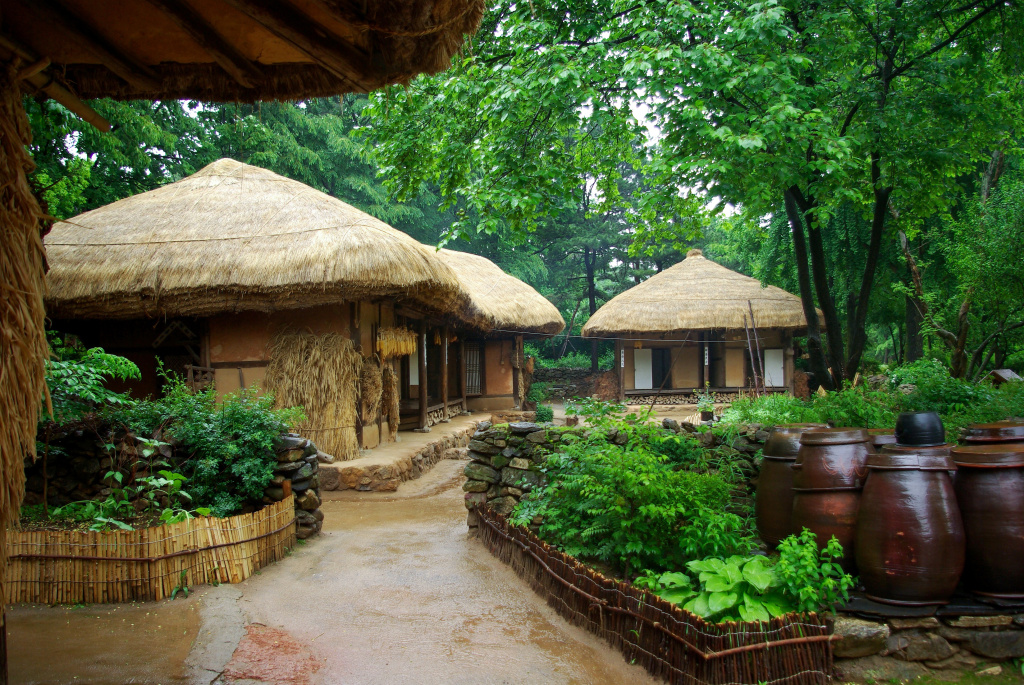
Korean National Village is located in a designated area and recreates everyday life from Joseon era Korea. There are over 30,000 cultural landmarks, including authentic houses.
Several playgrounds are located in the village. National holidays are an especially popular time here.
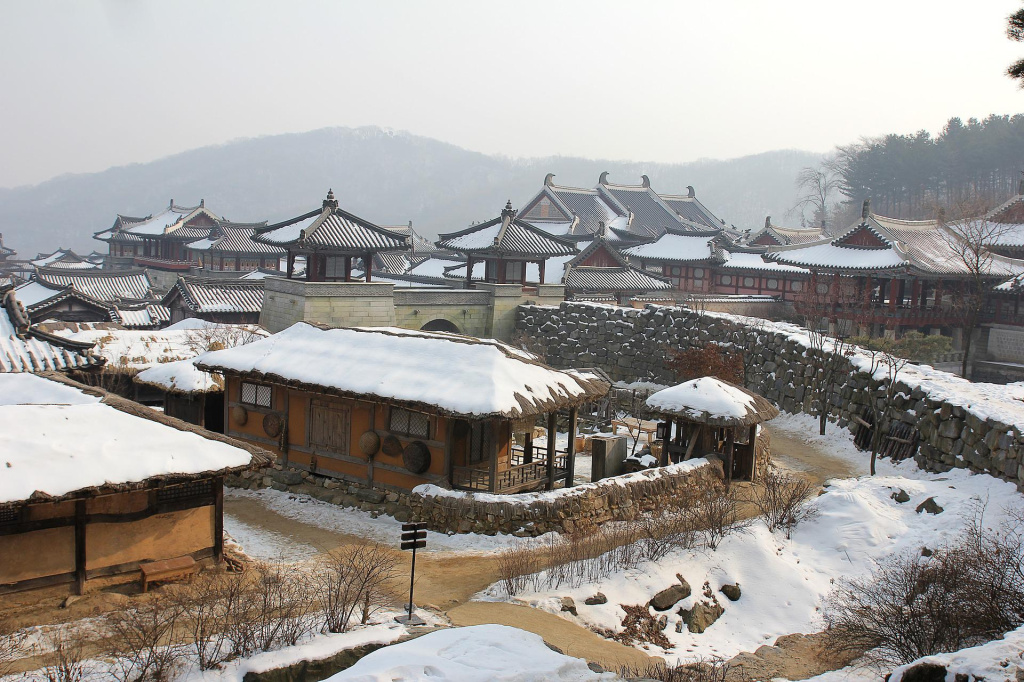
The Beomeosa Temple is one of the five key religious sites in Busan. It's a whole complex of buildings that stretches eight square kilometers. In addition to the main temple building, there are more than 150 huts for priests.
Beomeosa Temple represents the architectural traditions of Joseon era perfectly. It's a secluded place where you can spend hours alone in silence, alone with yourself. Alternatively, you can hire a guide who will explain the history of the temple to you.
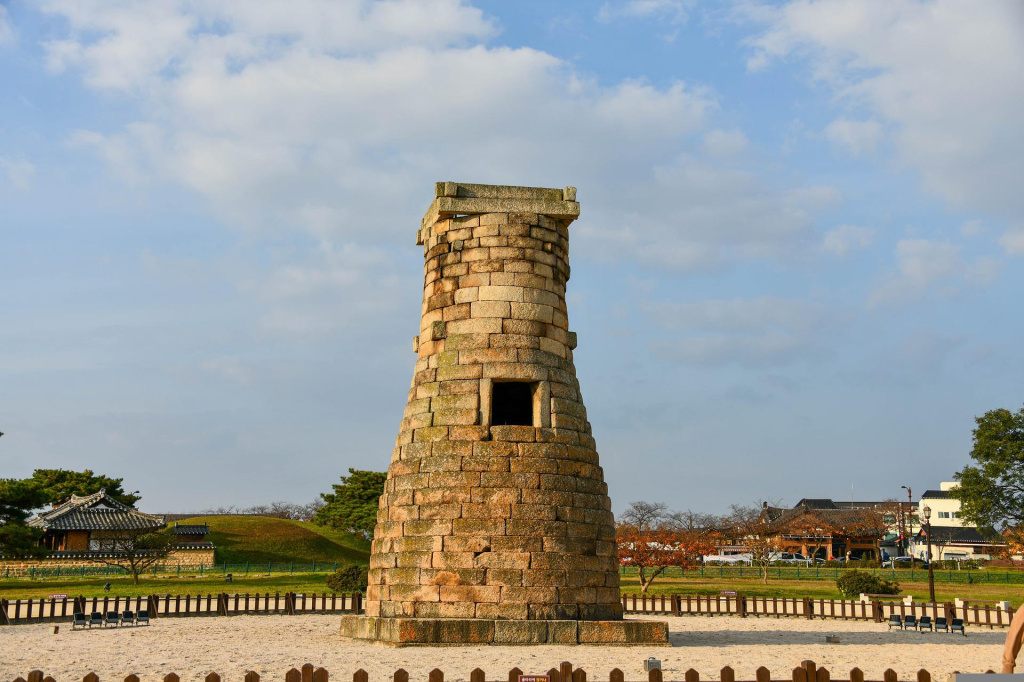
It's one of the oldest observatories in Korea. The city stands on the site of the ancient state of Silla, whose land now belongs to South Korea.
There's a tapered cylinder shape to the observatory. It's made of flat granite stones arranged 27 rows high. At its highest point, the observatory rises four meters. It was used to calculate equinoxes and solstices.
A famous market is located on the coast of the country. All types of seafood are available here, from freshly caught to marinated and dried. Fresh fish can be purchased at several restaurants.
In addition, there's a cozy terrace, poetically called «Heavenly Park». While the market here was formed at the beginning of the XXth century, the current building was built at the beginning of the XXIth century. There are seven floors in the building, each with a mall.
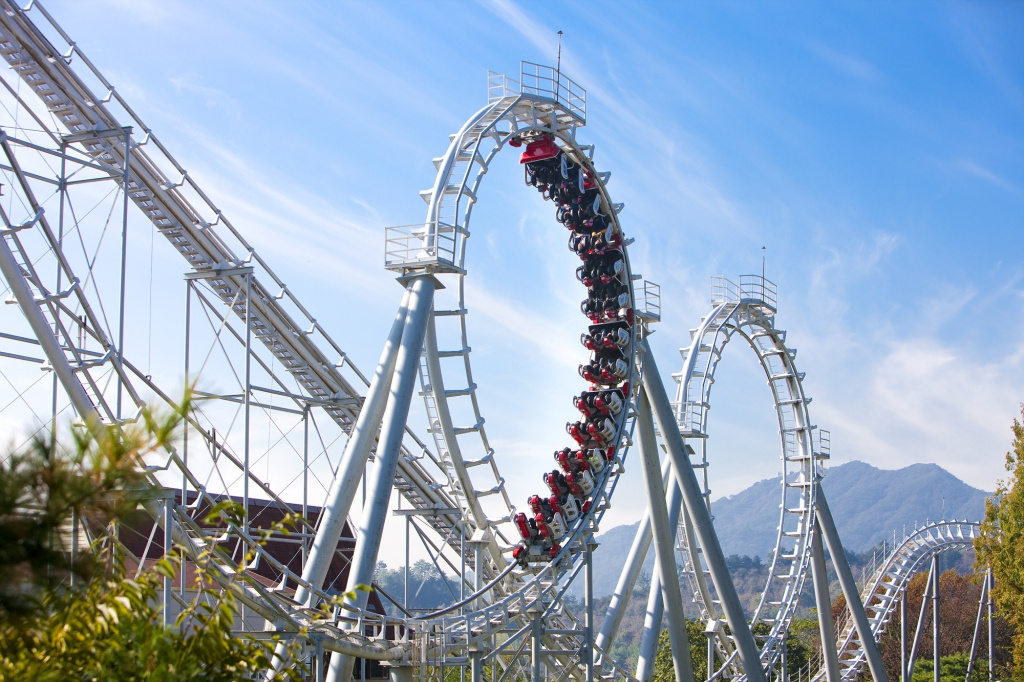
Everland is one of the top 15 amusement parks on earth. Samsung built it. It's not exactly an amusement park. It's a whole town occupying a huge area, with a developed infrastructure. We recommend you take a whole day or even several days to fully enjoy all the entertainment.
Pusan Oceanarium has a great collection of marine life. Both adults and kids will like it. South Korea's biggest oceanarium.
Especially fascinating is the fact that the oceanarium is located underground, right under Haeundae Beach. Take a day to visit this place so you can meet the locals.
Mudeungsan is close to Gwangju City. It has lots of mountainous areas with hiking trails. Its highest point is 1,180 meters above sea level. People of all ages like it here.
It's possible to arrange routes that are suitable for families with children and seniors despite the high peaks on Mudeungsan. The park is especially beautiful in winter when the slopes are covered in snow. Near the foot of the mountains are museum complexes, playgrounds, and stores.
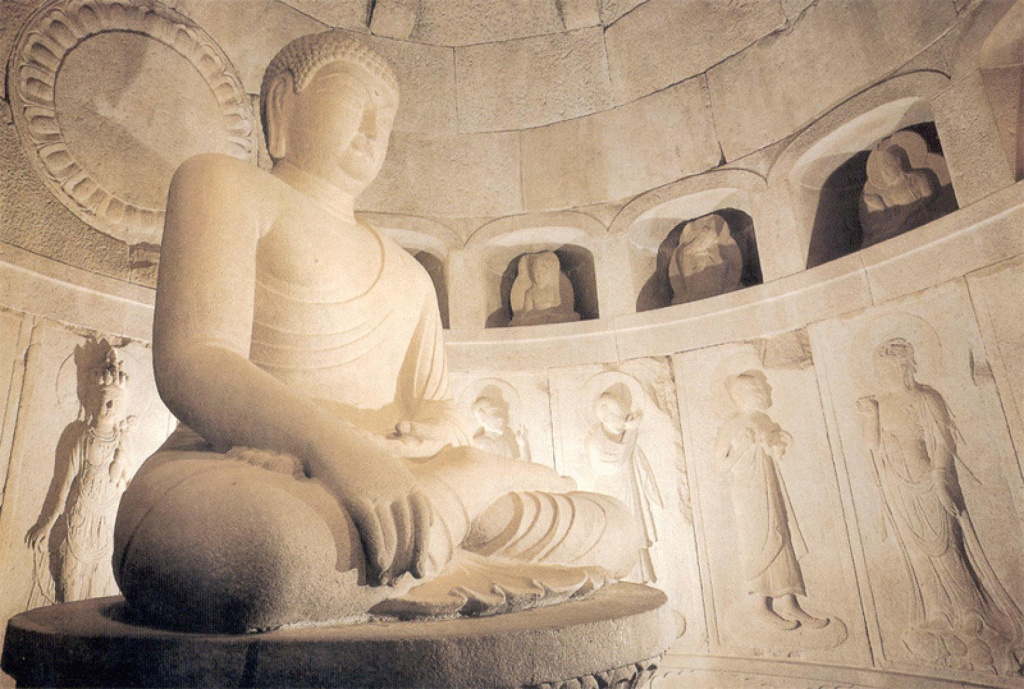
Rock temples are grottoes on mountainsides used for worship. It is called Seokguram because the original name sounded differently and translated as «the stone Buddha temple». There is a huge stone statue of a sitting Buddha in the middle of the grotto.
It is a very beautiful temple. Lots of tourists come here. The entrance to the temple is dominated by an arch, from which the road leads to a rectangular hall. The earth is symbolized by this hall. The next hall symbolizes the sky.
Imperial Palace Museum is the forerunner of the national museum, currently one of the largest in South Korea. In the early 20th century, Emperor Sunjong set up the Imperial Palace Museum. The museum's collections moved several times until they were finally housed in the building you see today.
The collection has over 300,000 items from different periods. The stuff dates back to the Neolithic era, including paintings and household items. There's two parts to the museum. One represents the past, and the other represents the future.
Busan Citizens Park is a favorite spot for families with children. It has everything you need for a comfortable pastime: toilets, benches, cafes, and many shops.
You can buy recreational and picnic items such as toys for kids or items for active games such as badminton, or mats for sitting on the grass. The park is free to enter. Despite its popularity, it is quite peaceful and cozy.
Seoul's Hongdae district is a popular hangout for young people. Day and night life abounds here. Live music pours out into the streets as the sun goes down, and art exhibitions take on new colors as the street is lit up by numerous lamps.
A variety of optical illusions can be found at Trick Eye, whose name implies that it showcases a variety of unique museums. Feel free to touch, interact, and take pictures of them.
The gate was built in the 14th century. Back then, it was called the Great Southern Gate. Later, a second, more poetic name was coined, meaning «gate of exalted ceremonies».
Originally, Sungnyemun was connected to the other gates by a fortress wall, but it was demolished in the early 20th century. It's South Korea's most important national treasure.
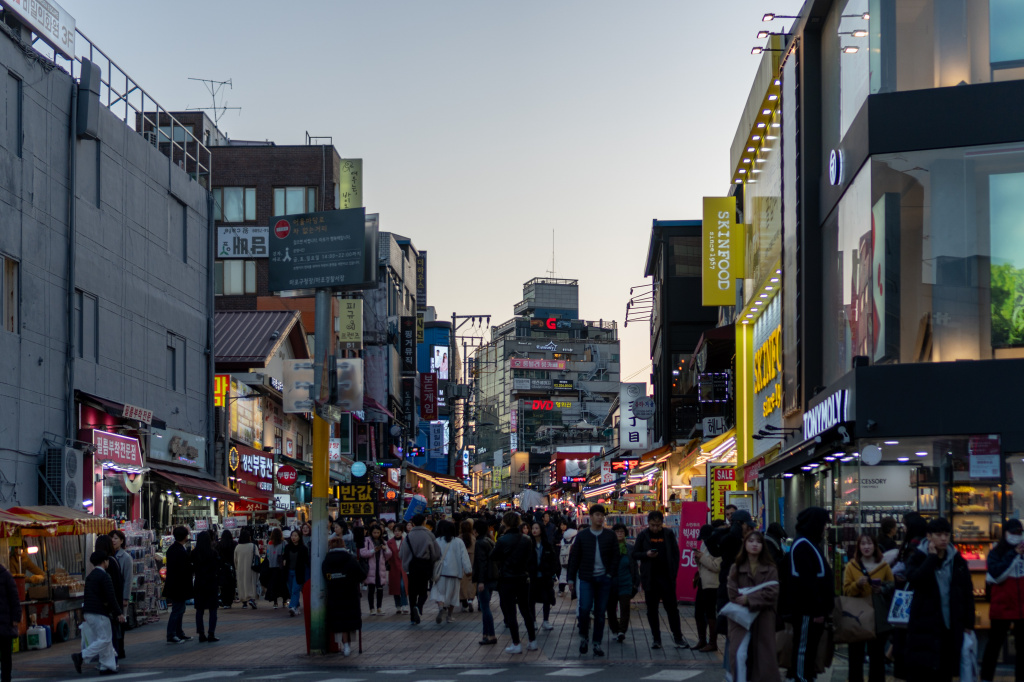
Thousands of stalls and stores fill Seoul's huge market, which is divided into above-ground and underground parts. It's got everything from food to electronics.
The modern market has grown up on the spot of spontaneous trade, which took shape already in the XV century. At the time, it mostly sold food items, like fish and plants. It's popular with tourists and locals looking for the right things at a good price.
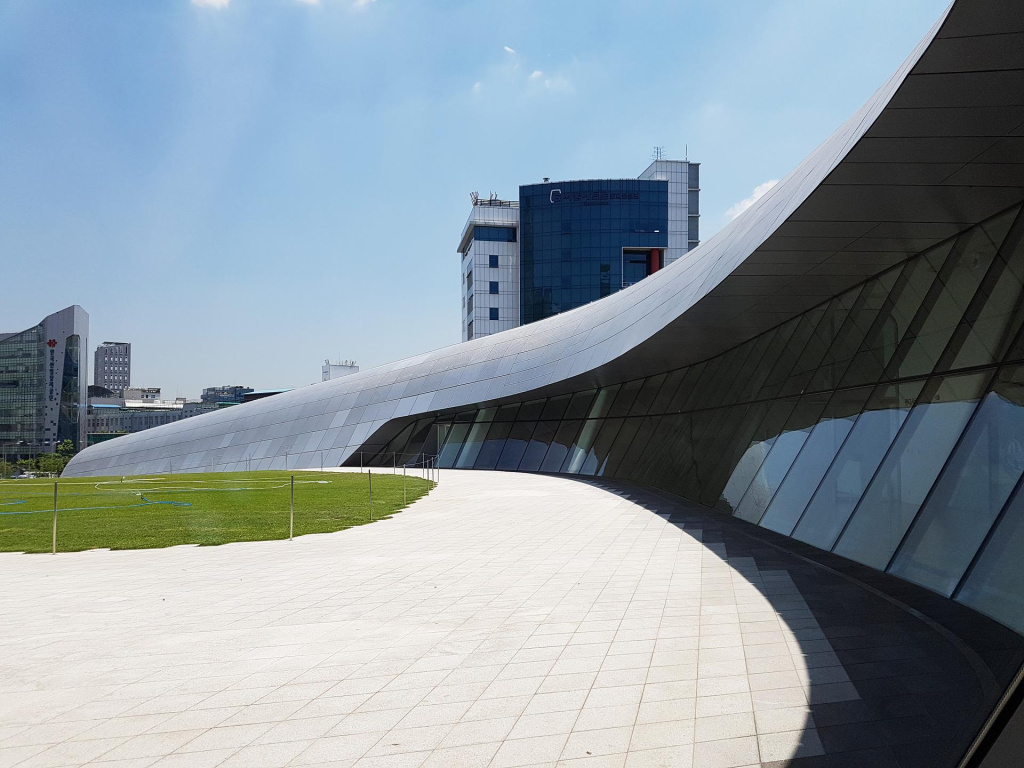
Dongdaemun was designed in the 20th century. It's called «fashion street» DDP or Dongdaemun Design Plaza is a landmark near Dongdaemun Market. Visit this place at night. A whimsical way to see the lights of nearby buildings reflect off the DDP!
In the late twentieth century, a traditional Korean village was built in the heart of Seoul, the capital of South Korea. There are five houses, a few gardens, a stage for performances, and a small recreational area.
The recreated village is a time capsule containing the architecture and authentic atmosphere of a bygone era. Here you'll find out about the country's history and life during the Joseon era.
The gate was built in the late 14th century, during the Joseon era. It was part of the city's fortress wall back then. In the 20th century, the wall was destroyed, leaving only two gates.
A gate called the «Gate of Rising Goodness» was built in less than two months. However, with such a fast pace of construction, it was impossible to achieve the desired quality. Later, the rains destroyed the gate and it was rebuilt by the king.
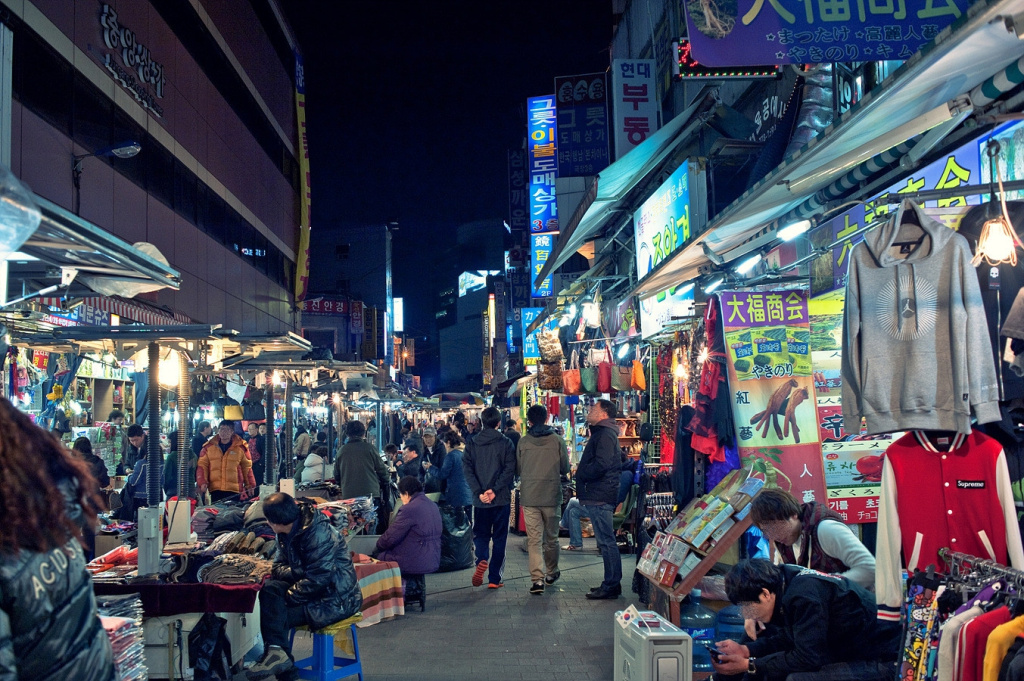
The market was built near the newly built Dongdaemun Market, which is still standing. There's all kinds of stuff there, but what makes Dongdaemun famous is clothes. It's got the best selection of textiles.
It's in the building that used to house the Bank of Korea. The building has an impressive entrance with columns.
During your tour, you'll learn all about the national currency, how it came about, and how it's changed over time. Different types of securities and metals have been used throughout history.
In Naksan Park is the Seoul Television Tower, which has an observation deck at the top. Some of the cafes are located so well that they offer stunning views of the city. The nature in Naxana is invariably beautiful, even though there are no high peaks here like in other parks. Kids can come here – there's no hard climb.
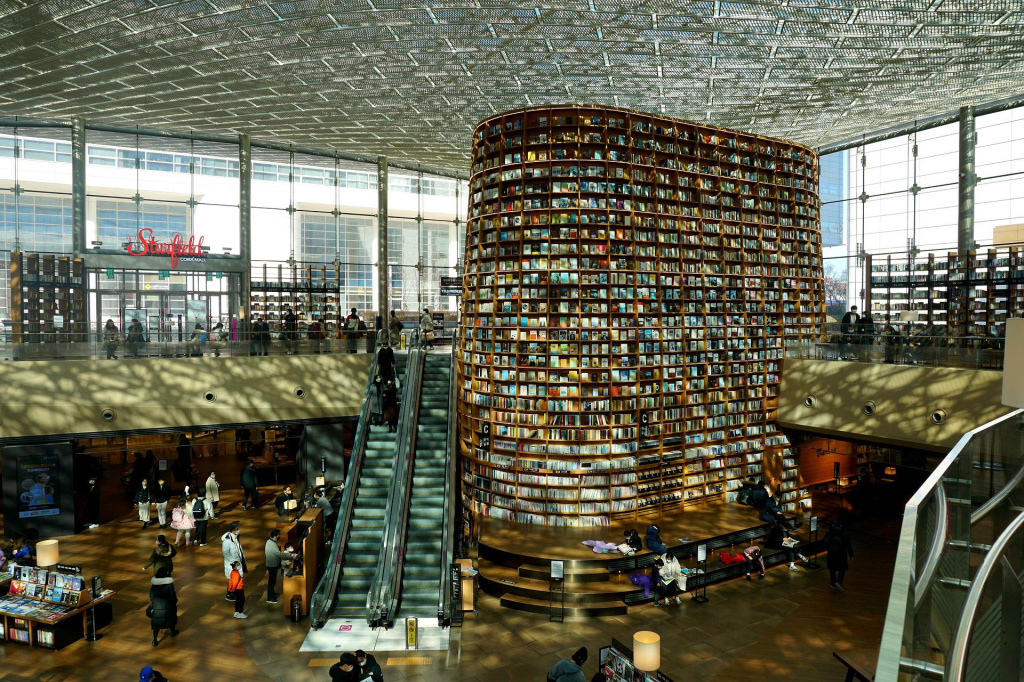
Starfield Library opened in 2017. It's got an interesting architecture and scale. The center occupies more than 2,500 square meters. There are more than 50 thousand books in the library.
In a library, books aren't checked out at home, they can only be read in the library. Additionally, there are often exhibitions, literary clubs, and other creative events.
Cathedral Mosque was built in the 20th century in an area known for many foreign tourists. Various lectures are held in three languages at the mosque: English, Korean, and Arabic.
The mosque's architecture reflects Muslim traditions, but it's also in keeping with the Korean neighborhood. If you hire a guide, he'll tell you all about the building's history, the tragedies and joys.
Originally a royal residence, the palace is now a museum. It was built during the Joseon period in the 14th century. Unhyeongung was destroyed and rebuilt several times. It's a great place to soak in Korea's history and enjoy nature and traditional architecture at the same time.
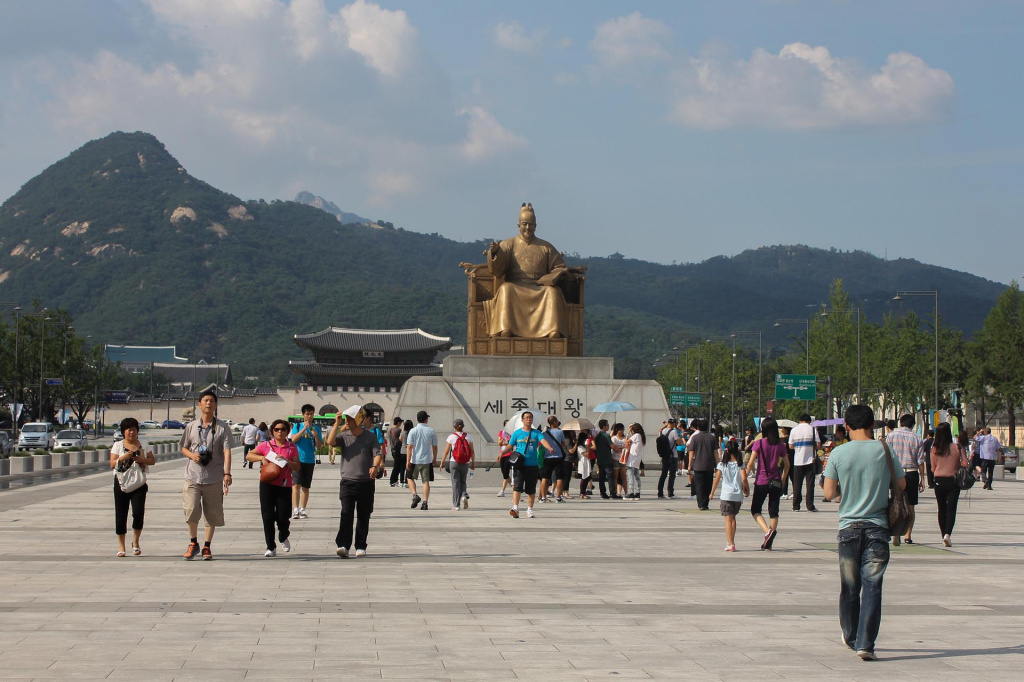
It's a great place to stroll. Visitors come to take pictures of the majestic memorial built in the middle of the huge square almost every day.
Namsan Park is where the cable car is. It connects part of the park to the Seoul TV Tower. On the ride, you can see the city from all angles.
A suspended park was built in 2017 on top of a trestle from the late 20th century. In the evenings, the extra lights create a romantic atmosphere with the smell of flowers and interesting sights. You can hire a guide to learn more about the history of the place.
Seoul University is a non-government university. It's the biggest women-only institution in the world. Ewha was founded in 1907. Since then, lots of prominent women have graduated from here, including politicians, doctors, and judges.